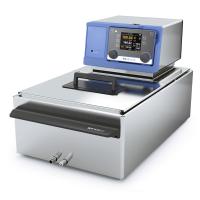
1. Assembly of the constant temperature bath
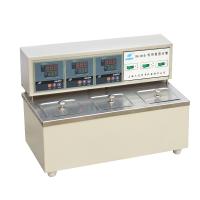
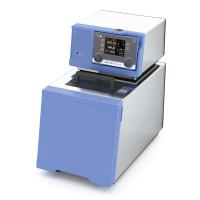
Take the constant temperature Water Bath as an example to illustrate the assembly method of the constant temperature bath. Take a container of a certain volume, and wait for distilled water to fill the container to 4/5 of the volume. Install the heater , then install the stirrer, contact thermometer, thermometer, relay, and connect according to Figure II-5. Attention should be paid to the layout of each device during thermometerinstallation , the performance of the stirrer, the heating condition of the heater, the pros and cons of the relay, and the speed of heat dissipation of the bath, but also It is related to whether the layout of the equipment in the constant temperature bath is proper or not. Even if each part is very sensitive, if there is no good layout, it still cannot achieve a good constant temperature purpose. In the constant temperature bath, the heater and the stirrer should be placed closer, and the contact thermometer should be placed near them. Far. The measuring system should not be placed on the edge, and the thermometer should be as close as possible to the measured system.
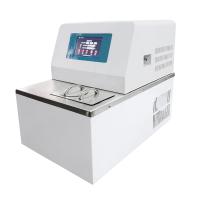
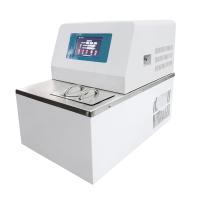
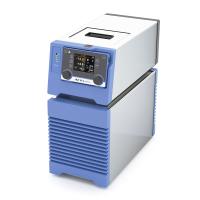
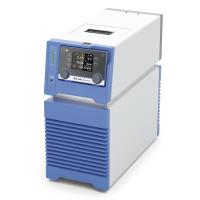
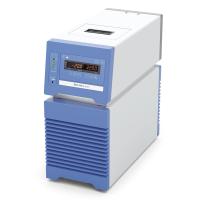
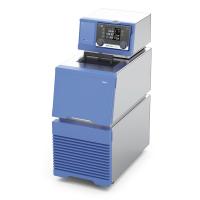
In addition to the general constant temperature bath assembled above, a super constant temperature bath is commonly used in the laboratory, and its structure is shown in Figure 11_7. The principle of constant temperature is the same as above, the difference in structure is that it is attached with a circulating water pump, which can circulate the constant temperature water in the bath through the system to keep the system at constant temperature without immersing the system in the bath.
2. Performance test of constant temperature bath
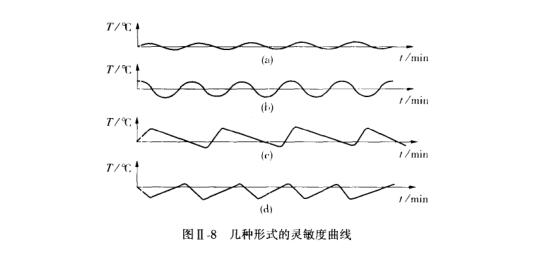
To measure the quality of the constant temperature bath, it can be measured by the sensitivity of the constant temperature bath. The determination of the sensitivity of the constant temperature bath is to use a sensitive thermometer (such as a Beckman thermometer) to record the change of temperature over time at a specified temperature (such as 30°C), and record the reading of the thermometer every 1 minute, and the temporal curve is as shown in Figure II -8 (c) indicates that the heater power is too large; measure for 30 minutes. Then take the temperature as the vertical axis. Time is plotted as temperature on the abscissa. In the figure (a) indicates that the sensitivity of the constant temperature bath is high; (b) indicates that the sensitivity is poor; (d) indicates that the heater power is too small or the heat dissipation is too fast.
The sensitivity of the constant temperature bath can be calculated by the following formula:


3. How to use the constant temperature bath
First assemble the constant temperature tank, and then adjust the constant temperature Water Bath to the set temperature. If the room temperature is assumed to be 20°C and the experimental temperature is to be set at 30°C, the adjustment method is as follows: first loosen the locking screw that touches the magnetic then turn the magnetic screw adjustment cap to make the upper end of the temperature indicating nut The edge is located at approximately 29 °C. Turn on the power, turn on the heater and stirrer to make it work, observe the reading of the 1/10 scale thermometer, when the heater stops heating and the thermometer reading does not reach 30°C, turn the magnetic screw , Make the contact and the mercury column be in the state of just contacting and disconnecting (whether the contact and the mercury column are disconnected or in contact, it can be connected; 1 The switch of the traffic light of the relay is judged). Continue heating in this way until the temperature rises to 30°C, at which point the heater just stops heating, and then tighten the locking screw.