The pigment-to-base ratio refers to the weight ratio of the pigment and filler to the base material in the electrophoretic fluid.
1. Instruments and Materials
High center splitter speed ≥ 4000r/min
High heart test tube
petri dish
Analytical balance Sensitivity 0.000lg
Pipette
Glass desiccator with color changing silica gel
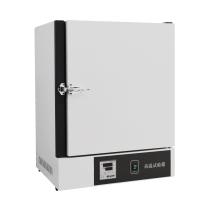
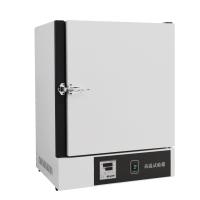
Blast constant temperature Drying Oven
Ammonia solution pH9~10
2. Operation steps
(1) Stir the electrophoretic solution to be tested evenly, and use a pipette to transfer about 5 g of the sample into a high-density test tube that has been dried to a constant weight (w.).
(2) Place the test tube in a high-speed centrifuge machine, and centrifuge at a speed of 4000r/min for 15-20min.
(3) Take out the high-density test tube, and carefully transfer the solution of the upper port into a petri dish 1 that has been dried to a constant weight (g.).
(4) Then add 5-6 mL of ammonia solution with a pH of 9-10 into the high-density test tube, and use a glass rod to fully stir the washing pigment, and repeat steps (2) and (3) to remove the base material in the sample. Transfer all to Petri dish 1.
(5) Put the above-mentioned high heart test tube and Petri dish 1 in a constant temperature Drying Oven, first bake at 100°C until the water evaporates, then bake at 100~120°C for more than 3 hours until constant weight, take them out and place them in a glass desiccator After cooling to room temperature, the weights were weighed respectively.
(6) Calculation of color-base ratio;

In the formula, BP-pigment base ratio;
w 0 -net weight of Gaoxin test tube (g);
w 1- high heart test tube and pigment weight (g);
g 0 - the net weight of the petri dish (g);
g 1 -petri dish and base material weight (g).
The test results take the average value of two parallel experiments, and the relative error of the parallel experiments should not be greater than 0.5%.