1. pH measurement
1. Determination of pH test paper
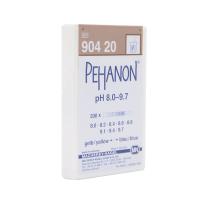
Use wide pH test paper with pH 1~12 or precision pH test paper with pH 8~10, first wet one end of the test paper with steamed water, then immediately immerse in the electrophoretic solution, take it out and observe the surface of the dry and wet interface of the test paper, and determine the pH value according to the pH value Color Chart. This method can be used for rough determination of pH value.
2. Determination of acidity meter
(1) Instruments and materials.
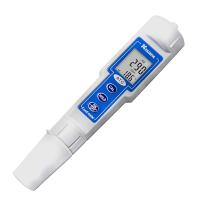
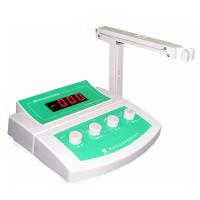
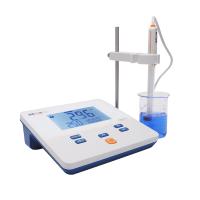
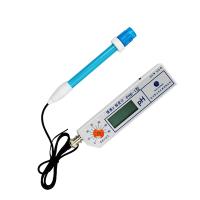
Acidity meter pHs_ 2 type
Glass beaker 50mL
Thermometer 0~50℃
Steaming water Conductivity≤5x10⁻⁴s/m
Standard buffer solution pH=9.20 is used to determine the anode electrophoresis solution
pH=4.00 or 6.86 is used to determine cathodic electrophoretic fluid
(2) Operation steps: measure according to the instrument manual
2. Conductivity measurement
1. Instruments and Materials
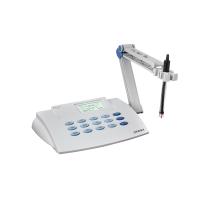
(1) Conductivity meter
Glass beaker 50~ 100mL
Thermometer 0~50℃
Steam house water Conductivity ≤5 x10⁻⁴s/m
2. Operation steps
Measure according to the instrument manual.
3. Determination of Coulombic Efficiency
1. Instruments and materials
Coulomb counter
Test plate (500x120) mm, a=1mm steel plate
Analytical balance with a sense of 0.001g
2. Operation steps
Follow the operating instructions of the coulometer.
3. Result calculation
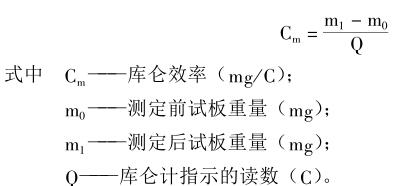
The test results take the average value of three parallel experiments, and the relative error of each test result should not exceed 3%, otherwise the measurement should be repeated.