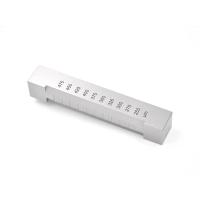
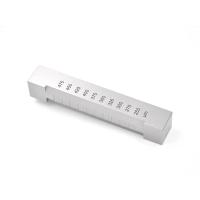
The flow properties of coatings include three aspects: fluidity, leveling and sag resistance.
The paint used in the spraying process should have proper fluidity, good leveling and not easy to sag.
1. Liquidity
Fluidity refers to the performance of the paint flowing and spreading on the surface of the workpiece, which is directly related to the performance of the various components that make up the paint. The paint with good fluidity can wet the surface of the workpiece well, so the fluidity of the paint is the prerequisite for determining its leveling. The simple way to judge whether the fluidity of the paint is good or not is to observe the time it takes for the remaining depression in the paint to be filled when a wooden stick inserted into the paint is pulled out. The shorter the time, the better the fluidity of the paint. .
2. Leveling
Leveling refers to the ability of the irregular and uneven surface in the coating film to flow into a flat and smooth surface after the coating is applied, and it is an important indicator for testing the construction performance of the coating. In our country, it is measured by brushing or spraying according to GB1750-79 "Determination of Leveling of Coatings". When using the brushing method, first brush the tested paint adjusted to the construction viscosity on the tin plate for 2~3 minutes on the sample plate first vertically and then horizontally to make it smooth and even, and then brush one line longitudinally in the middle of the sample plate. There are brush marks but no bottom exposed; when the brush leaves the sample, turn on the stopwatch to measure the time required for the brush marks to disappear and form a smooth coating film. The shorter the time, the better the leveling property. Generally, the coating film with good leveling property can be completely leveled within 10 minutes.
3. Anti-sagging
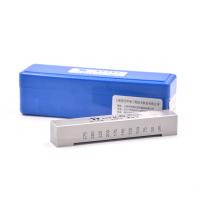
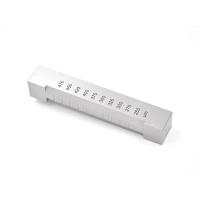
Drooping refers to the phenomenon that the liquid paint is painted on the vertical surface, and under the influence of gravity, before the wet film is dry, part of the surface of the wet film falls downward, forming a phenomenon that the upper part becomes thinner and the lower part thickens. Coatings that are prone to sagging (or coatings with poor sag resistance) are not suitable for use in the spraying process. Sagging is caused by improper flow characteristics of the coating or by excessive coating thickness. The sagging speed of the paint is inversely proportional to its viscosity, so the paint adjusted to the appropriate viscosity is helpful to avoid the sagging. The method for measuring the sagging property of paint is to apply a certain thickness of coating film on the test plate, place the test plate vertically, and observe the flow and fall of the wet film. The better the hangability.