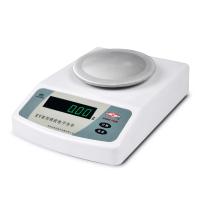
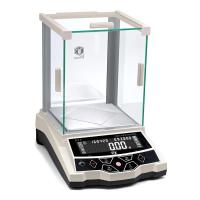
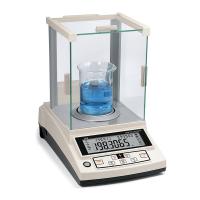
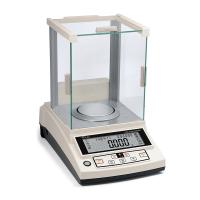
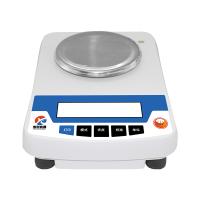
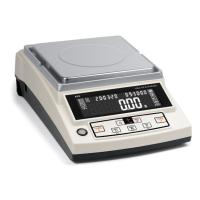
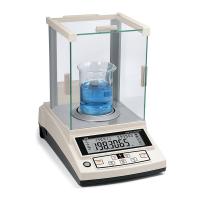
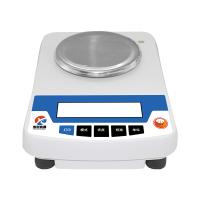
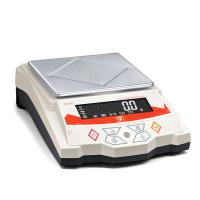
The balance is one of the commonly used instruments required in the laboratory. It is a measuring instrument for accurately measuring the mass of objects. In the course of the experiment, it is often necessary to accurately weigh the quality of some substances, and the accuracy of weighing directly affects the accuracy of the experimental results.
1. Balance classification
1. Classified according to the principle of balance weighing
(1) The lever balance uses the principle of leverage for weighing.
(2) The torque balance uses the deformation of the elastic element for weighing.
(3) Special balances are balances designed and manufactured using hydraulic principles, electromagnetic action principles, piezoelectric effects, and quartz oscillation principles.
2. Classified by purpose or weighing range
(1) Laboratory balances include rack balances (platform scales), industrial balances, analytical balances, semi-micro analytical balances, micro analytical balances, ultra-micro analytical balances and special-purpose balances.
(2) The balance in the measuring room includes two types: standard balance and reference balance.
3. Classified according to the structure of the balance
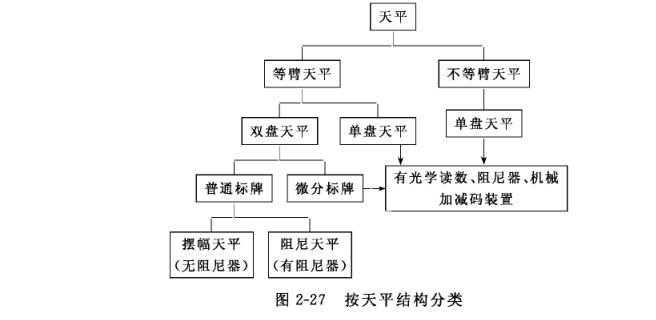
This classification (see Figure 2-27) refers to lever balances. Lever balances can be divided into equal-arm balances and unequal-arm balances. In these two types of balances, they can be divided into equal-arm double-pan balances, equal-arm single-pan balances, and unequal-arm single-pan balances. Double-disc balances can be divided into swing balances and damping balances, ordinary signage balances and electro-optical balances.
4. Classified according to the relative accuracy of the balance
The current national standard of our country adopts the method of classification according to the relative accuracy of the balance (that is, the ratio of the nominal division value of the balance to the maximum load). According to the provisions of "Balance Verification Regulations JJG98-72 (Trial Version)", the balance can be divided into 10 grades according to the relative accuracy of the balance, see Table 2-50.
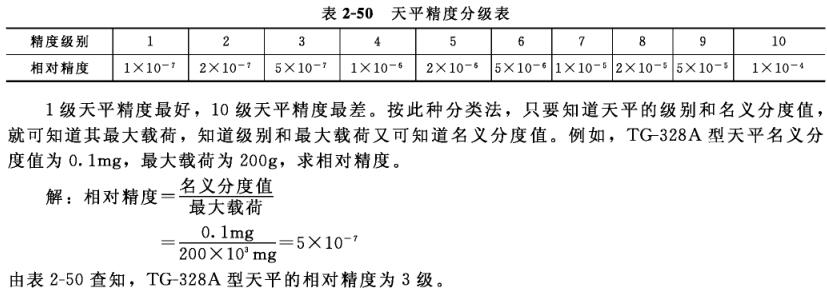
It should be noted that this classification method cannot fully reflect the accuracy of balance measurement. For example, a balance with a maximum weighing capacity of 2000g and a division value of 1mg is also a Class 3 balance, but its absolute accuracy is 10 times lower than that of the TG-328A balance. In general experiments, when accurate weighing is required, it is required to weigh to 0.1 mg, so a balance with a nominal division value of 1 mg cannot be selected.
In addition, it is customary to call a balance with high sensitivity and a full load of no more than 200g an analytical balance. Among them, the balance with optical reading device is called differential sign balance, also known as electro-optic balance.
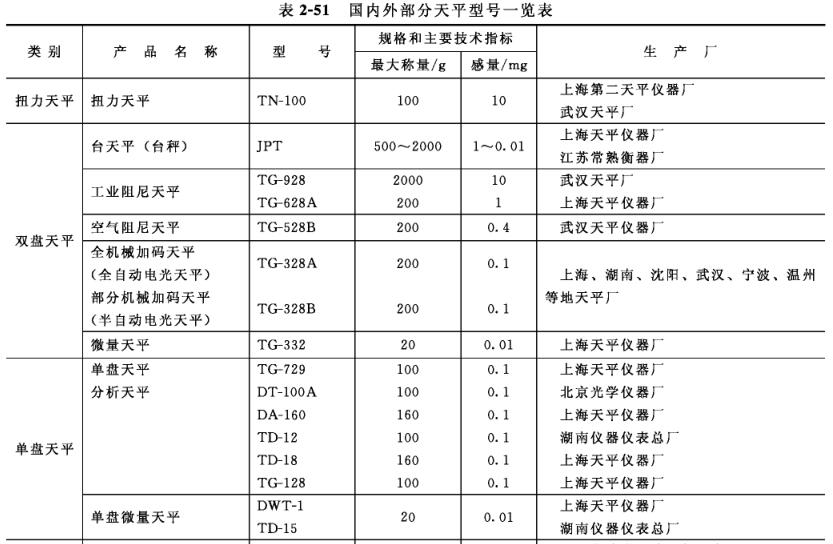
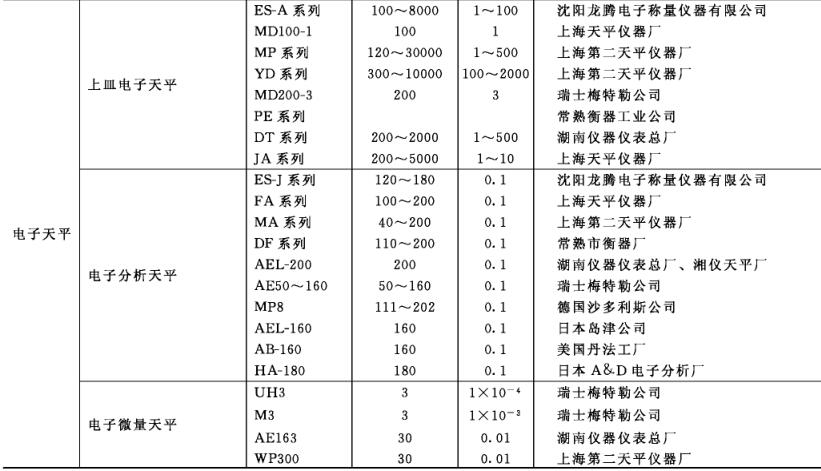
Factories, enterprises, and grassroots laboratories in our country use more mechanical balances with weights and single-pan balances. In recent years, with the improvement of technical level and the renewal of equipment, electronic balances are also widely used in many grassroots laboratories. Some of the balance models commonly used in the laboratory are listed in Table 2-51.