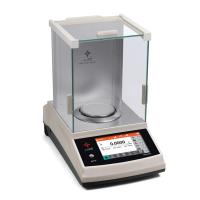
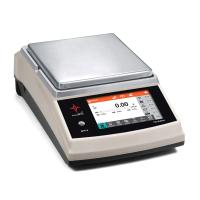
1. Direct weighing method
For some non-hygroscopic samples or reagents such as metals or alloys in the air, the direct method can be used for weighing. When weighing, cover the object to be weighed with a clean plastic film or paper strip and place it in the center of the weighing pan, then remove the plastic strip or paper strip, and carry out weighing according to the use method of the balance.
2. Fixed mass weighing method
In the analysis work, it is often necessary to accurately weigh a sample of a specified quality. At this time, the sample to be weighed can be directly placed in a weighing container of known mass (such as a watch glass, a small beaker, a small dish made of electro-optic paper or stainless steel) until the required quality is reached. This method requires that the sample is not easy to absorb water and stable in the air. The weighing method is as follows:
Accurately weigh the mass of the container on the balance, then add the weight to be weighed on the balance, hold the sample with a medicine spoon (the sample should be ground in advance) and gently vibrate above the container to make the sample slowly fall into the container , until the specified quality is reached. After weighing, transfer all the samples into the experimental container (the watch glass can be washed several times with water, and the weighing paper needs not to stick to the sample), and make a solution with a certain concentration.
3. Decrement (subtraction) weighing method
The subtractive weighing method is to first weigh the mass of the weighing bottle containing the sample, and then weigh the mass of the weighing bottle after pouring out part of the sample. The difference between the two is the mass of the sample. This method is suitable for weighing substances that are easy to absorb water, oxidize or react with CO2. The weighing method is described below.
Put a certain amount of solid sample in the weighing bottle, cover the bottle cap, wear spun gauze gloves, finger cots or wrap the weighing bottle with paper strips, place it in the center of the balance pan, and weigh its mass. Take out the weighing bottle, hang it above the container (beaker or Erlenmeyer flask), tilt the weighing bottle, open the cap of the weighing bottle, gently tap the upper edge of the bottle mouth with the cap, and gradually pour out the sample. When it is close to the required mass, slowly erect the bottle, tap the upper part of the bottle mouth with the weighing bottle cap, so that the sample stuck to the bottle mouth will fall back into the bottle, then close the bottle cap, and put the weighing bottle Put it back on the balance pan and weigh again. The difference between the two weighings is the mass of the sample poured into the beaker. If the quality of the sample is not enough, it can be poured and weighed again according to the above method, and the number of times should not be too many. If too much sample is poured out, it is not possible to put the sample back into the weighing bottle with the help of a medicine spoon, and it can only be discarded and weighed.
If another sample is to be weighed, repeat the procedure above.