Paint film preparation refers to the preparation of test panels for measuring the general properties of the paint film.
When preparing the coating film, the following aspects should be considered (controlled): selection and treatment of the substrate; selection of the plate making method and curing conditions of the sample; control and measurement of the thickness of the coating film.
1. Substrate treatment
1.1 Relevant standards
GB/T9271-2008 Paint and varnish standard test panel
1.2 Introduction to key points of the method
The standard lists the material requirements and treatment methods of eight kinds of substrates. The substrates are steel plate, tinplate plate, galvanized plate, aluminum plate, glass plate, hard fiberboard, paper-faced gypsum board, and fiber-reinforced cement board. The several substrates introduced below are commonly used substrates in current experiments.
a. steel plate
Material requirements: steel plates can be cold-rolled steel plates with grades Q195 or Q215 specified in GB/T700-2006; or cold-rolled steel plates with tensile strength not less than 270MPa and elongation after fracture not less than 31%.
Five treatment methods are listed in the standard.
[1) Clean with solvent; 2) Clean with water-based detergent; 3) Grind; 4) Phosphate treatment; 5) Spray cleaning]. The commonly used method is 3.5.2 in the standard, that is, manual grinding.
Operation sequence of manual grinding: a) Grind flatly and evenly on the test plate in a direction parallel to any side; b) Grind in a direction perpendicular to the first grinding until the original grinding marks are worn away; c) Grind with Grind in a circular motion with a diameter of 80mm~100mm until the wear marks produced are only overlapping circles.
b. Tinplate
Material requirements: The test plate should be a tinplate plate with a surface quality of Class I, which meets the requirements of GB/T2520-2000.
The standard lists 3 treatment methods.
[1) Cleaning with solvent; 2) Cleaning with water-based cleaning agent; 3) Polishing (polishing)]. The commonly used method is 4.3 in the standard, that is, the grinding method.
In general, use No. 500 water sandpaper for dry grinding. The grinding procedure is the same as steel plate grinding, but it is required that there must be no tinned layer on the test plate to be completely ground off. After grinding, clean it with a solvent, dry it, and place it in a desiccator.
c. Aluminum plate
Material requirements: meet the requirements of aluminum plate or strip specified in GB/T3880.1-2006.
There are 4 treatment methods listed in the standard:
【1) Cleaning with solvent; 2) Cleaning with water-based cleaning agent; 3) Grinding (polishing); 4) Chromate conversion coating】. Commonly used methods are 6.2 (solvent cleaning method) and 6.4 (grinding method) in the standard.
When using the grinding method to process the sample here, it is generally handled at any time and used at any time. Use a soft cloth pad or other suitable material to stain the abrasive and grind according to the grinding procedure in the above a. until the surface traces are removed, then wash it with solvent, dry it, and put it in a dry place. device.
d. Glass plate
Material requirements: The test panel should be flat glass or polished float glass. The thickness and other dimensions of the test plate shall be specified in the test method or otherwise agreed upon.
Two treatment methods are listed in the standard:
[1) Clean with solvent; 2) Clean with cleaning agent] 7.2 (solvent cleaning method) and 7.3 (detergent cleaning method) in the standard.
e. Fiber reinforced cement board
Material requirements: use non-asbestos fiber cement slabs, which should meet the requirements of NAFHV grade in JC/T412.1-2006.
Treatment: Wipe off the floating ash on the surface of the test plate, soak the bottom plate in water to make the pH of the bottom plate less than 10, and use No. 200 water sandpaper to smooth the surface. After cleaning, store it at a temperature of (23±2)°C and a relative humidity of (50±5) )% of the air circulation environment for at least one week.
2. Board making method
2.1 Purpose and significance
To evaluate the various properties of the coating film, it is first necessary to obtain a coating film that meets the requirements of the inspection standard, that is, a coating film with a uniform and appropriate thickness. The prepared coating film should be able to truly reflect the essence of the coating film, even if there are defects, it must be reflected, but the essence of the coating film cannot be changed due to external reasons, such as the environment of the preparation.
2.2 Relevant standards
GB/T1727-92 General preparation method of paint film
Preparation of JG/T23-1999 Architectural Paint Coating Test Panel (formerly GB/T9152-88)
GB/T1736-1989 Preparation method of insulating paint film
GB/T1765-1989 Determination of heat and humidity resistance, salt spray resistance, weather resistance of paint film preparation method
GB/T9278-2008 Temperature and Humidity for State Conditioning and Testing of Paint Samples
Among the above-mentioned standards, GB/T1727-92 is a general method, and its content already includes the methods stipulated in several other standards. The following mainly introduces this standard.
2.3 Introduction to key points of the method
2.3.1 Instruments and utensils (omitted, see each method for details)
2.3.2 Operation points
There are six board manufacturing methods listed in this standard. (Spin Painter Act Standards Obsolete)
a.Brush method
Dilute the sample to an appropriate viscosity or the viscosity specified in the product standard, and use a paint brush to quickly and evenly paint on the specified bottom plate along the vertical and horizontal directions to form a uniform paint film, and no blanks and overflows are allowed. The painted swatches should be laid flat to dry.
General laboratory utensils are wolf hair brushes. This method controls the film thickness of the model by controlling the amount of brushing.
b. Spraying method
Dilute the sample to the spraying viscosity, and spray it on the specified test plate to form a uniform paint film, without blanking and overflowing.
When spraying, the distance between the Spray Gun and the surface to be coated shall not be less than 200mm, the spraying direction shall form an appropriate angle with the surface to be coated, the air pressure shall be (0.2-0.4) MPa, and the moving speed of the Spray Gun shall be uniform.
This method controls the film thickness by controlling the viscosity of the sample, the moving speed of the Spray Gun, the number of spraying passes and other factors.
c. Dip coating method
Dilute the sample to an appropriate viscosity, then immerse the test panel vertically in the paint solution at a slow and uniform speed, stay for 30s, take it out at the same speed, drip dry and hang it, after the specified time interval, turn the sample panel 180° to Dip coating for the second time in the same way.
This method controls the film thickness by controlling the viscosity of the sample.
d. Scratch coating method
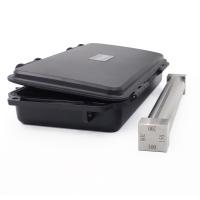
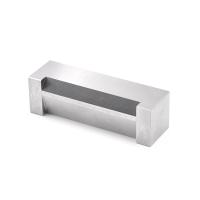
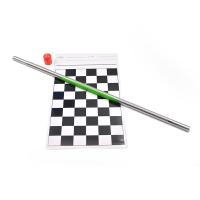
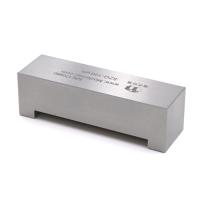
A method of making a wet film of a certain thickness by using a certain gap between the scraper blade and the plane. Common scraper applicators include: scraper applicator, paint film preparer, paint Film Applicator, wire rod, etc.
e. Spin Coater method (obsolete)
f. Pouring method
Carry out according to Chapter 4 of GB/T1736-79 (89) Insulating Paint Film Preparation Method.
Adjust the sample to a certain viscosity, pour it on the sample plate placed horizontally, and place the sample plate at a certain angle (40°) for a period of time (10min~30min) to make the excess paint flow out, and then place it at the same angle under appropriate conditions. dry.
2.3.3 Curing conditions of the model
a. Self-drying paint
In general, the samples should be inspected after 48 hours under constant temperature and humidity. For volatile paints, the sample should be inspected after 24 hours under constant temperature and humidity.
Constant temperature and humidity conditions: GB9278-2008 specified temperature (23±2) ℃, relative humidity (50±5)%.
b.Drying paint
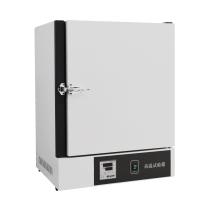
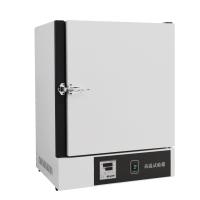
In general, place (15-30) minutes after the board is made, and then put it into the drying box, and dry it according to the time and temperature specified in the product standard. The dried paint film should be placed at least (0.5-1) h under constant temperature and humidity before testing.
3. Precautions
3.1 The method of substrate treatment will affect the determination of the performance of the sample. Attention should be paid to the selection of the treatment method and the number of abrasive cloths used.
3.2 The model should be kept clean and free from pollution when making the board.
3.3 When dealing with asbestos cement boards, special attention should be paid to the inspection of the alkalinity of the test boards.