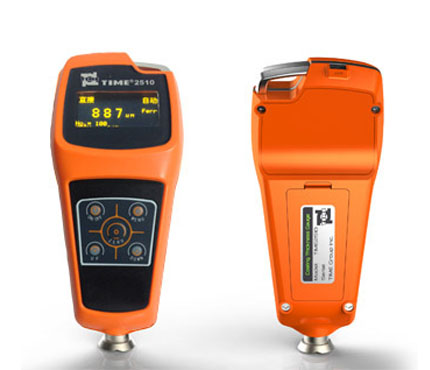
BOPP薄膜的厚度均匀性是产品质量标准中重要的标准之一。大膜的厚度不均匀会引起分切时大膜暴筋、硬度不均、菊花芯等各种问题。
从主线上来讲,影响大膜厚度的因素只要有以下几点:1.挤出机波动造成的厚度波动,2.工艺参数的设置是否合理,3.原料的选择,4.模头的状况与调节。
生产线类型布鲁克纳8.2米生产线。
一.挤出机波动对厚度的影响
由于大膜厚度是由挤出量和拉伸速度决定,所以挤出机内熔体的均匀性和稳定性就对大膜厚度的纵向厚度产生很大的影响,如果挤出的熔体时多时少,大膜的纵向厚度就会很不均匀,以致横向的厚度也变差。主线挤出机从2010年下半年出现压力波动,严重时不仅影响厚度而且还导致挤出机跳停,现在虽有好转,但根本原因还未找到。除了设备上的尝试,工艺上我们也一直安排几个项目的跟进,试图找出有助于改善波动的信息。
项目一,各种原料对挤出机波动的影响,对各种原料在使用的是波动状况做记录。通过一定时间的积累,发现原料对挤出机波动只是一个可能的诱因,相同原料会出现有时波动有时正常的情况,虽然无法列出哪些料会波动,哪些料不会波动,但可以统计出哪些料的波动几率小和波动范围小对厚度的稳定性不产生影响,这样对我们选择原料也有一定的帮助。
项目二,熔融挤出机温度的设定对波动的影响,记录熔融段各加热区不同的温度对波动的影响。According to观察,挤出机波动正常时,其熔融第一二区处于相对高的温度,而波动大时,第一二区往往都是较正常时温度低。According to这一情况,我们尝试手动更改加热功率和关闭水阀以升高温度来稳定波动,现阶段已经起到一定的控制作用。在挤出机波动问题还未解决之前,我们还会继续跟踪,多收集资料,同时用已经掌握的方法尽量控制挤出机压力波动,将其影响降到最小。
二.工艺参数的合理设置
生产线与厚度有关的参数设定主要有以下几个方面:
1)铸片机冷却温度
聚合物需要快速冷却时,冷却速度是决定结晶度高低与结晶均匀性的重要因素。冷却不均匀,片材结晶就不均匀,拉伸时受力情况就不同,所以,这样很难制出厚度均匀的膜,我们在生产上也很注意铸片机的冷却温度,对于铸片机水浴温度偏高的情况,增加了补水管来改善,生产时由班长中控负责温度的监控。
2)拉伸工艺条件的影响
(一)拉伸温度薄膜拉伸温度是由高聚物的性能决定的,不同的原料性能上也有不同的差别,拉伸的工艺温度受原料本身性能的影响很大,所以需要为每个料在不同规格选择合适的拉伸温度,这是一个长期的跟踪过程,在一定时间的工艺调整和积累之后,工艺员都会制作工艺卡,以指导生产。
(二)拉伸比纵向拉伸比的增大能改善薄膜纵向机械性能,然而,此时片材横向的缩进量也增大,薄膜边部进一步变厚,但在横向拉伸中,随着横向拉伸比的增大,不但可以提高薄膜的横向机械性能还能提高薄膜的横向厚度均匀性。因此,我们在正常生产时会以此为指导,只要不影响薄膜的使用效果,就会适当的减少纵向拉伸比,维持较高的横向拉伸比来改善薄膜的横向厚度均匀性。
三.原料的选择
不同的原料其物化性能有一定的差别,不光体现在生产的稳定性上,还会直接影响大膜的厚度均匀性,BOPP原料有几个重要的性能指标:熔融指数、等规度、结晶度等,只有符合高速BOPP生产线需要的原料,才能做出厚度稳定的大膜。同时这些指标显示了原料的特性,是我们制定生产工艺的重要According to。
主线至今已使用过近百种不同的原料,所以对这些原料进行分类是工艺的日常工作之一。对于新原料,我们专业行试料策划,少批量的试料,试用时尽量不对生产线造成大的损失,等工艺确定后再进行批量使用。
We have divided the raw materials into different grades, which are divided into three grades: high-speed production with good thickness, low-speed production with average thickness, and extremely poor thickness. It is for the reference of the purchasing department. , to determine the raw materials used, such as tape film, choose raw materials with average thickness to digest. By dividing the applicable thickness of each raw material, thick specifications are prone to thickness fluctuations, so choose raw materials with better thickness for use. With the increase in the use of genuine materials in recent years, the influence of raw materials on thickness has been greatly improved, but more detailed preparations must be made for the use of new raw materials to prevent relatively large thickness fluctuations after use. Stable produces longer-term effects.
4. Condition and adjustment of die head
The sheet is firstly extruded from the die and cooled to form a sheet. Whether the thickness of the sheet is uniform also determines the thickness uniformity of the film. There are 42 bolts in the die for the thickness of each position of the large film. Normal production At this time, the automatic adjustment of the membrane lip gap is realized by relying on the bolts of the Thickness Gauge-computer-die head. This is a necessary condition to ensure the uniformity of the transverse thickness of the film.
In actual production, the edge of the large film is more likely to have uneven thickness than the middle. This is because the edge changes greatly when changing materials and specifications, and it is difficult to automatically stabilize due to the limitation of stretching conditions. Sometimes we need to manually adjust the mold. It requires a certain accumulation of skills to master, and there are differences in the adjustment methods of each person, so it is a daily job to train key employees to master the skills, so that some thickness problems can be solved in time.
Due to the high temperature and easy to degrade melt inside the die head, carbon deposits will be caused after a long time, and the dead angle cannot be adjusted through the bolts, which will cause the local bolt thickness to be jagged, resulting in the reduction of uneven hardness in batches. For this situation, We mainly clean the die head when shutting down to remove some carbon deposits inside to improve the thickness, so that the thickness can be improved in a short period of time, but the maintenance time is not long. If necessary, it can be solved by effectively dismantling the die head The problem of thickness dead angle.