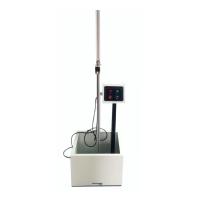
 The reverse impact test of the color steel plate is used to evaluate the ability of the coating to resist cracking or peeling when the sample is subjected to rapid deformation. The impact resistance is also called impact strength. Under the action of impact, the sample undergoes rapid deformation to form a convex area. Check whether the coating in the convex area has the ability to crack or fall off the metal substrate. It reflects the flexibility of the tested coating and its adhesion to the substrate. Focus on.
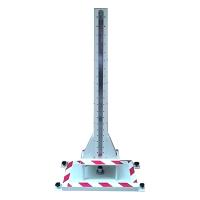
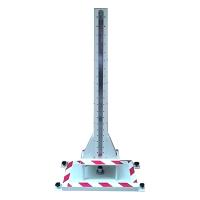
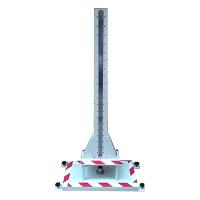
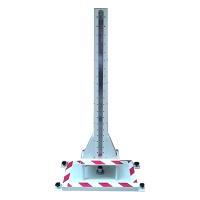
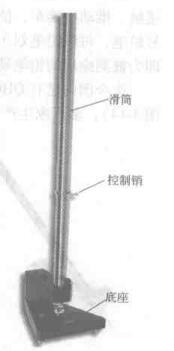
The instrument used in the reverse impact test is an impact Tester. This test usually uses a special instrument (simplified picture 4-13). According to the national standard GB/T13448-2006, the punch diameter is 15.87mm (5/8min), And the test results are expressed in two ways: "pass/fail" and "maximum impact energy". The former uses the tape tearing method to check whether the coating is peeled off after being impacted by the specified weight of the hammer and the falling height. Use a magnifying glass to observe whether the coating is cracked or peeled off. The maximum mass and maximum height, and the product of the two is the maximum impact energy. The test principle is to let the weight drop freely to impact the sample, deform the sample, and gradually increase the height and quality of the weight falling. The rapid deformation resistance of the coating is the product of this height and the weight of the weight, expressed in joules (J )express. The impact resistance index of coil coatings is generally controlled at an impact energy not less than 9J.