working principle
Electronic analytical balance is an instrument that uses electronic technology and physical principles to realize the weighing and analysis of trace substances. Its principle is based on the force of the charged object in the electric field, and uses technologies such as charge induction and capacitive sensors to measure the mass of the charged object.
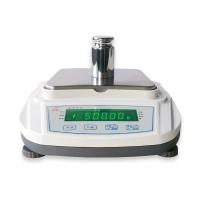
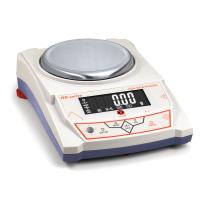
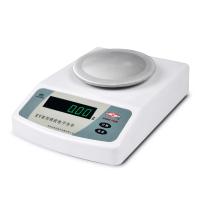
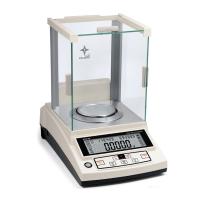
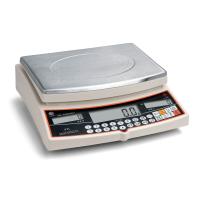
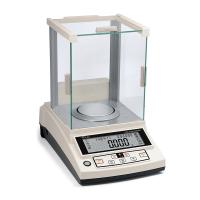
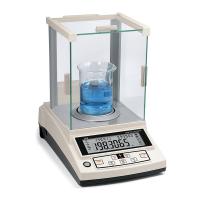
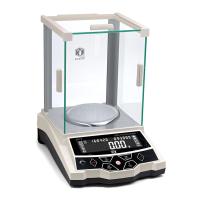
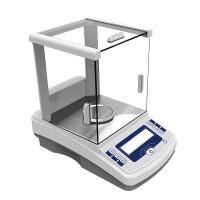
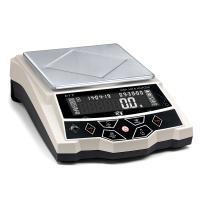
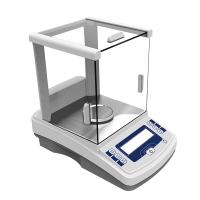
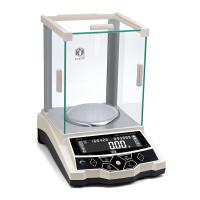
The electronic analytical balance is mainly composed of a balance sensor, a weighing device, a data processor and a display. When weighing, the sample is placed on the balance pan, the balance pan is connected to the power supply through the sensor to form a charge induction circuit, the charge induced by the charge is measured by the scale, and converted into the value of the mass of the substance. At the same time, the data processor processes the measurement data and displays the results.
Electronic analytical balance has the characteristics of high precision, fast weighing, and high degree of automation, and is widely used in the measurement and analysis of trace substances in the fields of chemistry, biology, and pharmaceuticals.

Application field
Electronic analytical balance is a very important laboratory instrument, which is widely used in the measurement and analysis of trace substances in the fields of chemistry, biology, pharmacy, and material science. Here are some common application scenarios:
Chemical analysis: Electronic analytical balances can be used to measure the mass change of trace substances in chemical reactions, as well as to measure the quality of chemical reagents and samples, such as drugs, catalysts, solutions, etc.
Biomedical research: Electronic analytical balances can be used to measure the quality of biomolecules, such as DNA, RNA, protein, etc., for gene sequencing, drug screening and other research.
Material science: Electronic analytical balances can be used to measure the content, purity, density, crystal structure and other parameters of trace elements in materials, for material preparation, quality control, etc.
Food Science: Electronic analytical balances can be used to measure trace components in food, such as additives, nutrients, etc.
Environmental monitoring: Electronic analytical balances can be used to measure particulate matter and aerosols in the atmosphere, as well as the content of trace organic and inorganic substances in water and soil.

Steps
Electronic analytical balance operation steps are as follows:
Prepare the balance: First make sure the balance is on a stable surface and is level. Turn on the power of the balance and preheat it, which usually takes 10 to 30 minutes to achieve a stable working state.
Calibrate the balance: Calibrate using the balance's calibration mass standard to ensure accurate balance readings. Before calibrating, please read the operation manual of the balance carefully, and operate according to the requirements of the manual.
Prepare the sample: Use gloves or dust-free paper to remove the sample and place it in the pan of the balance, making sure that the sample is intact and free of any impurities.
Weighing the sample: Weighing according to the requirements of the operating instructions, usually the pan needs to be set to zero first, then the sample is put in, and the weighing result is recorded.
Clean the balance: Clean the used balance pan to avoid measurement errors caused by sample residue. Use a cleaning cloth or lint-free paper to gently wipe the balance plate and case.
Close the balance: After the measurement, cover the balance and turn off the power of the balance to avoid the entry of dust or impurities.
Precautions:
Avoid external disturbances such as vibration and wind to ensure accurate measurement results.
Balances require regular cleaning and calibration to maintain accuracy and stability.
Do not use the balance to weigh samples beyond its capacity, as this may damage the balance.