1. Introduction
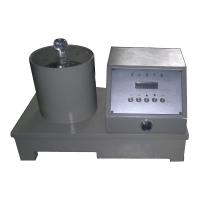
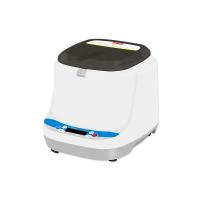
The 80-3 high-speed dehydration centrifuge is widely used in laboratories of colleges and universities, environmental protection, scientific research, petroleum, chemical, medical and other units. It is a satisfactory tool for chemical workers.
2. Features
The 80-3 high-speed dehydration centrifuge is improved on the basis of the 800, 80-1, and 80-2 centrifuges, and it fills in the lack of dehydration function of the previous centrifuges. This machine has the effect of separating solid and liquid, and adopts electronic photoelectric speed measurement, the measured data ×10000. The high-speed series-excited motor used in this machine can make the speed of the load up to 12,000 revolutions per minute, and 16,000 revolutions without load, and the speed is adjustable. This product has the advantages of low noise and small vibration. It only takes 5 minutes to dehydrate each time. The solid liquid content after dehydration generally does not exceed 3%, and it can be used continuously for 2-3 times.
3. Performance
1. Power supply single-phase AC 50HZ, 220V±5V, motor power 180W;
2. The maximum load of each dehydration is 200-500g;
3. Rotor capacity φ120mm×h70mm;
4. The centrifugal distance of the machine is 60mm.
4. How to use
Before using the instrument, check whether the centrifugal head of the rotor is fixed, and then connect the power to turn on the timer; first start running at a slow speed, and check whether the rotor is stable and normal; Tight, use a cup at the outlet of the latex tube to store the water discharged from the instrument, and use a cloth belt or a wire mesh bag to hold the raw materials that need to be dehydrated. However, the diameter of the cloth bag or mesh bag needs to be greater than 120mm, and the height generally needs to be around 160-180mm. When raw materials are loaded into the centrifugal head, they should not be pressed too tightly, but should be laid evenly and loosely. At this time, you can adjust the speed to 0, turn on the working switch and turn it from 1000 rpm for 1-2 minutes, so that the instrument can automatically and evenly discharge most of the water from the dehydrated material in a balanced manner. If the laying of raw materials is not uniform, it may shake violently when it is started. At this time, it should be stopped immediately and the material should be re-laid until it starts smoothly, and then it can be slowly adjusted to high speed. The instrument is automatically timed, so that the parts of the instrument are not easy to be damaged, and the service life can be extended.
5. Matters needing attention
When starting up and using, it is never allowed to start at high speed to prevent accidents; raw materials are not allowed to be loaded into the rotor when the machine is running, and it is not allowed to put materials into bags directly on any side of the rotor, which will cause the machine to lose balance Vibrates strongly and is prone to accidents. Please operate the instrument according to the instructions for use, otherwise the consequences will be at your own risk. If any quality problems are found during inspection of the machine before use, such as strong vibration, unstable operation or beating, stop using the machine immediately and notify our factory for repair or replacement (guarantee within one year, replacement within half a year).
6. Maintenance
Because chemical raw materials are often corrosive, after each use of the instrument, about 500g of alkaline water, detergent or clean water should be slowly poured into the running rotor to keep the inside of the instrument clean.