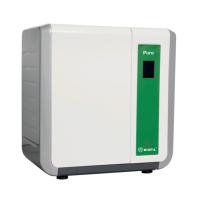
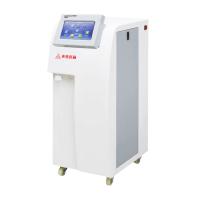
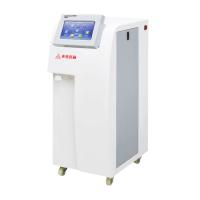
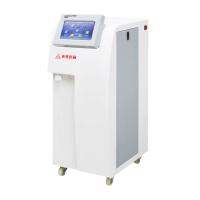
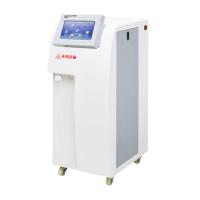
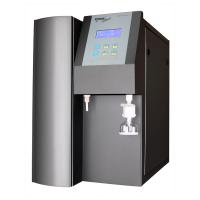
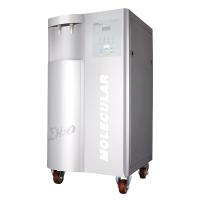
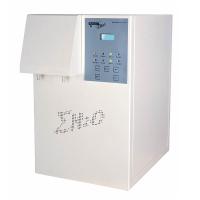
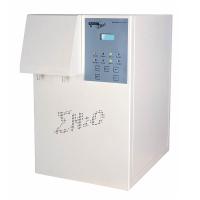
As a non-main inspection instrument and equipment in the laboratory, the small ultra-pure water machine in the laboratory is not expensive, but it plays a key role in the success or failure of the experiment or the accuracy of the inspection data.
1. The detection and display of the water quality of the terminal water intake can represent to a certain extent that the water quality has reached the requirements of the experiment or inspection equipment; but is this data display accurate? Is the detection sensor calibrated? Although the water quality is still greater than 18MΩ.CM. However, the consumables are about to expire, and whether the weakly charged ions such as silicon and boron have been precipitated can not be seen on the display of the resistivity of the water quality, but irreparable errors have occurred in the detection of various metal salts.
2. The quality of tap water in different places will have different effects on the purification units in the system. The surface water in southern CHINA has low salinity, but because of the hot weather, various types of moss spores are easy to grow in hot water, especially when the secondary water supply tank is not properly cleaned, the moss spores can easily enter the ultrapure water system , This phenomenon is often found in water machines with only ultra-purification units. Because the pure water storage tank used as the water intake is not airtight for water intake, micro algae spores in the air are easy to fall into the bucket, and as the weather is fine and the water temperature is appropriate, moss will multiply in the system. Taiwan, CHINA's water machine is basically the same as human beings have cancer, which is difficult to cure.
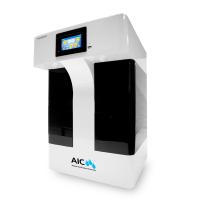
It is self-evident that whether the ultrapure water machine can produce water that meets the laboratory water standard is of great importance to the results of the experiment. Every purification unit of the Aikepu fully intelligent ultrapure water machine from raw water treatment to terminal ultrafiltration has a lot of A good design monitors every detail of the water treatment system throughout the process, understands the operating status of each unit in real time, ensures that the produced water quality meets your experimental needs, and solves your worries about the experiment.