The quality inspection content, indicators and methods of electroplating on non-metallic materials are basically the same as those of metal electroplating, and they must also be determined according to the nature, use and quality requirements of the product. For example, for decorative-protective coatings, the appearance, roughness, brightness, general layer adhesion and corrosion resistance of the coating should be inspected emphatically; for electromagnetic shielding coatings, the adhesion, corrosion resistance and corrosion resistance of the coating should be inspected. thermal stability. However, due to the characteristics of non-metallic materials, especially high polymers, special attention should be paid to the inspection of the bonding force between the coating and the substrate 4 and the thermal stability of the coating for non-metallic products. This section describes some methods for this.
1. Inspection of coating adhesion
(l) Stripping method Two parallel lines are placed on the surface of the plated sample (the depth of which needs to cut through the coating), and one end of the long strip formed between the two parallel lines is carefully lifted off the coating, and then vertically The force on the surface of the sample substrate pulls up the coating to make it peel off from the substrate, and measures the force required to peel off the coating.
(2) Adhesive pull-off method Use the same method to draw a certain area in parallel on the surface of the plated sample, bond a common head that can be pulled vertically upwards, and then pull the common head forcefully to make the coating of the marked area from The substrate falls off, and the force required to pull off the coating is measured.
The above two methods evaluate the bonding strength of the coating according to the determined tensile force, but the methods are different, and the measured tensile force values may be different, and the differences are large, and there is no comparability between them.
2. Inspection of coating thermal stability
The test parameters for the qualitative test of heat history are determined according to the temperature range and service requirements that non-metallic materials can withstand, and are different for different materials. The relevant parameters in the method described below are for epoxy resin composite materials, but the method is universal.
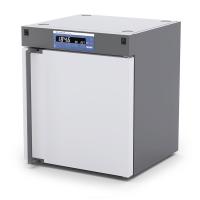
(l) Thermal shock (sudden cooling and sudden heating) experiment Place the plated sample in an oven, keep it warm at 150°C±1°C for 1h, then take it out and place it at room temperature for 15min, then put it in ice or dry container In a sealed container with dry ice, keep warm at -40°C for 1 hour, take it out and place it at room temperature for 15 minutes. The whole experiment process is a cycle, and the coating is qualified if it does not bubble, peel or crack. The number of times the sample can withstand is used to characterize the thermal shock resistance of the coating.
(2) Heat resistance test. For heat test, place the sample in an oven at 120°C±1°C for 24 hours, take it out and check the surface of the sample for bubbling, peeling, cracking, etc. If not, put it back into the oven to continue the test, and increase the test temperature by 5°C. Repeat the test in this way until the above-mentioned damage phenomenon appears on the surface of the sample. The test temperature at which failure begins is the highest temperature that the material or product can withstand daily, and its heat resistance can be evaluated based on this