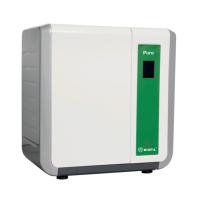
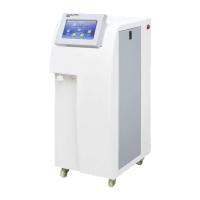
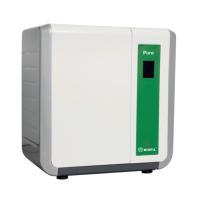
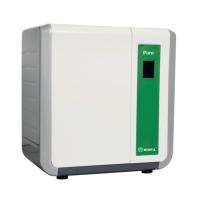
1. Basic parameters of commonly used reverse osmosis membranes:
TW-50G | TW-75G | ESPA4-4021 | ESPA1-4040 | ESPA4-4040 | ESPA1-8040 | ESPA4-8040 | |
Influent Concentration (PPM) | <250 | <250 | <500 | <1500 | <500 | <1500 | <500 |
Maximum operating pressure (MPa) | 0.86 | 0.86 | 4.16 | 4.16 | 4.16 | 4.16 | 4.16 |
Working pressure (MPa) | 0.34 | 0.34 | 0.7 | 1.05 | 0.7 | 1.05 | 0.7 |
Water production (GPD) | 50 | 75 | 1000 | 2600 | 2500 | 12000 | 12000 |
General removal rate | 98% | 98% | 99% | 99.2% | 99.2% | 99.3% | 99.2% |
Influent PH | 2-11 | 2-11 | 3-10 | 3-10 | 3-10 | 3-10 | 3-10 |
Recovery rate | 15 | 15 | 15 | 15 | 15 | 15 | 15 |
manufacturer | pottery | pottery | Hyde energy | Hyde energy | Hyde energy | Hyde energy | Hyde energy |
2. RO membrane cleaning and disinfection methods
1. Determination of cleaning time and pollution characteristics of reverse osmosis membrane.
When the reverse osmosis system (or device) has the following symptoms, chemical cleaning or physical flushing is required:
under normal water supply pressure, the water production rate is 10-15% lower than the normal value;
in order to maintain the normal water production rate, after temperature correction The water supply pressure increases by 10-15%;
the produced water quality decreases by 10-15%, and the salt permeability increases by 10-15%; the
water supply pressure increases by 10-15%;
the pressure difference between the various sections of the system increases significantly ;
the overall performance of the timing monitoring system is confirmed The basic method of whether the membrane element has been polluted, the impact of pollution on the membrane element is gradual, and the degree of influence depends on the nature of the pollution. The following table (Table 1) "Characteristics and treatment methods of reverse osmosis membrane pollution" lists common pollution phenomena.
Table 1 Characteristics and treatment methods of reverse osmosis membrane fouling
Pollution type | possible place | pressure drop | water pressure | Salt penetration rate | |||
Metal oxides (Fe, Mn, Cu, Ni, Zn) | One section, frontmost membrane element | Rapid increase | Rapid increase | Rapid increase | |||
Colloids (organic and inorganic mixtures) | One section, frontmost membrane element | gradually increase | gradually increase | slight increase | |||
Mineral scale (Ca, Mg, Ba, Sr) | end segment, endmost membrane element | moderate increase | slight increase | general increase | |||
polymeric silicon deposits | end segment, endmost membrane element | general increase | Increase | general increase | |||
biological contamination | Any position, usually front membrane element | obviously increase | obviously increase | general increase | |||
Organic pollution (insoluble NOM) | all segments | gradually increase | Increase | reduce | |||
Antiscalant pollution | The second stage is the most serious | general increase | Increase | general increase | |||
Oxidation damage (Cl2, Ozone, KmnO4) | a section of the most serious | general increase | reduce | Increase | |||
Hydrolytic damage (outside pH range) | all segments | generally lower | reduce | Increase | |||
Abrasive Damage (Toner) | a section of the most serious | generally lower | reduce | Increase | |||
Leakage of O-rings (internal connection pipe or adapter) | Irregular, usually at the feedwater adapter | generally lower | generally lower | Increase | |||
Apron leakage (caused by water production back pressure) | a section of the most serious | generally lower | generally lower | Increase | |||
Apron leakage (caused by closing the water production valve during cleaning or flushing) | end element | increase (initial contamination and increased differential pressure) | Increase | ||||
2、污染情况分析
碳酸钙垢:
碳酸钙垢是一种矿物结垢。当阻垢剂/分散剂添加系统出现故障时,或是加酸pH调节系统出故障而引起给水pH增高时,碳酸钙垢有可能沉积出来。尽早地检测碳酸钙垢,对于防止膜层表面沉积的晶体损伤膜元件是极为必要的,早期检测出的碳酸钙垢可由降低给水的pH值至3~5,运行1~2小时的方法去除。对于沉积时间长的碳酸钙垢,可用低pH值的柠檬酸溶液清洗去除。
硫酸钙、硫酸钡、硫酸锶垢:
硫酸盐垢是比碳酸钙垢硬很多的矿物质垢,且不易去除。硫酸盐垢可在阻垢剂/分散剂添加系统出现故障或加硫酸调节pH时沉积出来。尽早地检测硫酸盐垢对于防止膜层表面沉积的晶体损伤膜元件是极为必要的。硫酸钡和硫酸锶垢较难去除,因为它们几乎在所有的清洗溶液中难以溶解,所以,应加以特别的注意以防止此类结垢的生成。
磷酸钙垢:
磷酸钙垢在有高含磷量的市政废水和污染中是较为常见的。通常这种垢可用酸性清洗液去除。
金属氧化物/氢氧化物污染:
典型的金属氧化物和金属氢氧化物污染为铁、锌、锰、铜、铝等。这种垢的形成导因可能是装置管路、容器(罐/槽)的腐蚀产物,或是空气中氧化的金属离子、氯、臭氧、钾、高锰酸盐,或是由在预处理过滤系统中使用铁或铝助凝剂所致。
聚合硅垢:
硅凝胶层垢由溶解性硅的过饱和态及聚合物所致,且非常难以去除。南北潮提示您:这种硅的污染不同于硅胶体物的污染。硅胶体物污染可能是由与金属氢氧化物缔合或是与有机物缔合而造成的。硅垢的去除很艰难,可采用传统的化学清洗方法。
胶体污染:
A colloid is an inorganic substance or a mixture of organic and inorganic particles suspended in water, which will not settle due to its own gravity. Colloids usually contain one or more of the following main components, such as: iron, aluminum, silicon, sulfur or organic matter.
Non-soluble natural organic matter pollution (NOM)
Non-soluble natural organic matter pollution (NOM—Natural Organic Matter) is usually caused by the decomposition of nutrients in surface water or deep well water. The chemical mechanism of organic pollution is very complex, and the main organic components are either humic acid or fulvic acid. Adsorption of insoluble NOM to the membrane surface can cause rapid fouling of RO membrane elements. Once the absorption occurs, the fouling process that gradually forms a gel or block will begin.
Microbial deposits:
Organic deposits are produced by bacterial slime, fungi, molds, etc. This contaminant is difficult to remove, especially if the water supply channel is completely blocked. The blockage of the water supply channel will make it difficult for the clean feed water to enter the membrane element fully and evenly. To inhibit further growth of such deposits, it is important not only to clean and maintain the RO system, but also to clean the pre-treatment, piping and fittings, etc.
3、清洗液的选择
1、化学清洗药剂的选择和使用准则
a) 选用的专用化学药剂,首先要确保其已由化学供应商认定并符合用于海德能公司膜元件的要求。药剂供应商的指导/建议不应与海德能公司此技术服务公告中建议的清洗参数和限定的化学药剂种类相冲突;
b) 采用组合式方法完成清洗工作,包括适宜的清洗pH、温度及接触时间等参数,这将会有利于增强清洗效果;
c) 在建议的很好的温度下进行清洗,以求达到很好的清洗效率和延长膜元件寿命的效果;
d) 谨慎地由低至高调节pH值范围,可延长膜元件的使用寿命。保守的pH范围是4~10,强烈的pH范围为2~12;
e) 典型地、有效的清洗方法是从低pH至高pH溶液进行清洗。对油污染膜元件的清洗不能从低pH值开始,因为油在低pH时会固化;
f) 清洗和冲洗流向应保持相同的方向;
g) 当清洗多段反渗透装置时,有效的清洗方法分段清洗,这样可控制很好的清洗流速和清洗液浓度,避免前段的污染物进入下游膜元件;
h) 用较高pH产品水冲洗洗涤剂可减少泡沫的产生;
i) 如果系统已发生生物污染,就要考虑在清洗之后,加入一个杀菌剂化学清洗步骤。杀菌剂需要可在清洗后立即进行,也可在运行期间定期进行(如一星期一次)连续加入一定的剂量。需要确认所使用的杀菌剂与膜元件相容,不会带来任何对人的健康有害的风险,并能有效地控制生物活性,且成本低;
j) 为保证安全,溶解化学药品时,切记要慢慢地将化学药剂加入充足的水中并同时进行搅拌;
k) 为保证安全,在接触化学药品操作时,必要时戴上安全眼镜,穿好防护服装;
l) 从安全方面考虑,不能将酸与苛性(腐蚀性)物质混合。在要使用下一种溶液之前,从RO系统中有效冲洗干净滞留的前一种化学清洗溶液。
2、清洗液的选择
表2列出了在清洗不同的膜污染物时美国海德能公司所建议的化学溶液,表3列出了海德能公司RO膜清洗液配方。表2中的数字代表表3中的清洗液配方,表3—海德能公司清洗液配方提供的清洗溶液是将一定重量(或体积)的化学药品加入到100加仑(379升)的洁净水中(RO产品水或不含游离氯的水)。溶液是按所用化学药品和水量的比例配制的。溶剂是RO产品水或去离子水,无游离氯和硬度。清洗液进入膜元件之前,要求有效混合均匀,并按照目标值调pH值且按目标温度值稳定温度。常规的清洗方法基于化学清洗溶液循环清洗一小时和一种任选的化学药剂浸泡一小时的操作而设定的。
表4—海德能公司膜元件清洗最大pH和温度极限——表明了对特定膜元件的最大pH和温度极限值,超出这一限制会造成不可恢复的膜元件损坏。建议的最小温度极限是21℃,但在较高温度下清洗效力和清洗药剂的溶解性会有明显改善。
表2美国海德能公司建议的化学清洗溶液
污染物 | 弱洗时 | 强洗时 |
碳酸钙垢 | 1 | 4 |
硫酸钙、硫酸钡、硫酸锶垢 | 2 | 4 |
金属氧化物/氢氧化物(Fe、Mn、Cu、Ni、Al) | 1 | 5 |
无机胶体 | 1 | 4 |
无机/有机胶体混合物 | 2 | 6 |
聚合硅沉积物 | - | 7 |
微生物类 | 2 | 3或6 |
天然有机物(NOM) | 2 | 3或6 |
表3海德能公司清洗液配方(以100加仑,即379升为基准)
清洗液 | 主要组份 | 药剂量 | 清洗液pH值 | 最高清洗液温度 |
1 | 柠檬酸(100%粉末) | 17.0磅(7.7公斤) | 用氨水调节pH至4.0 | 40℃ |
2 | 三聚磷酸钠(STPP)(100%粉末) | 17.0磅(7.7公斤) | 用硫酸或盐酸调节pH至10.0 | 40℃ |
3 | 三聚磷酸钠(STPP)(100%粉末) | 17.0磅(7.7公斤) | 用硫酸或盐酸调节pH至10.0 | 40℃ |
4 | 盐酸(HCl)(密度22波美度或浓度36%) | 0.47加仑(1.8升) | 缓慢加入盐酸调节pH至2.5, | 40℃ |
5 | 亚硫酸氢钠(100%粉末) | 8.5磅(3.86公斤) | 缓慢加入亚硫酸氢钠调节pH | 40℃ |
6 | 氢氧化钠(100%粉末) | 0.83磅(0.38公斤) | 缓慢加入氢氧化钠调节pH | 40℃ |
7 | 氢氧化钠(100%粉末) | 0.83磅(0.38公斤) | 缓慢加入氢氧化钠调节pH | 40℃ |
表4海德能公司清洗液pH值和温度极限(见表3目标pH和温度值)
膜元件 | 45℃ | 35℃ | 30℃ |
CPA | 2~10 | 2~11.5 | 2~12 |
ESPA | 2~10 | 2~11.5 | 2~12 |
LFC | 2~10 | 2~11.5 | 2~12 |
SWC | 2~10 | 2~11 | 2~12 |
ESNA | 3~10 | 2~11.5 | 2~12 |
3、清洗液介绍
[溶液1]
2.0%(W)柠檬酸(C6H8O7)的低pH(pH值为4)清洗液。以于去除无机盐垢(如碳酸钙垢、硫酸钙、硫酸钡、硫酸锶垢等)、金属氧化物/氢氧化物(铁、锰、铜、镍、铝等)及无机胶体十分有效。
[溶液2]
2.0 (W)%STPP(三聚磷酸钠Na5P3O10)和0.8%(W)的Na-EDTA混合的高pH(pH值为10)洗液。塔专用于去除硫酸钙垢和轻微至中等程度的天然有机污染物。STPP具有无机螯合剂和洗涤剂的功用。Na-EDTA是一个具有螯合性的有机螯合清洗剂,可有效去除二价和三价阳离子和金属离子。STPP和Na-EDTA均为粉末状。
[溶液3]
2.0(W)%STPP(三聚磷酸钠Na5P3O10)和0.25%(W)的Na-DDBS[C6H5(CH2)12-SO3Na,十二烷基苯磺酸钠]混合的pH值为10的高pH洗液。该洗液用于去除较重度的天然有机物(NOM)污染。STPP具有无机螯合剂和洗涤剂的功用,Na-DDBS则作为阴离子洗涤剂。
[溶液4]
0.5%(W)盐酸低pH清洗液(pH为2.5),主要用于去除无机物垢(如碳酸钙垢、硫酸垢、硫酸钡、硫酸锶垢等),金属氧化物/氢氧化物(铁、锰、铜、镍、铝等),及无机胶体。这种清洗液比溶液1要强烈些,因为盐酸(HCl)是强酸。盐酸的下述浓度值是有效的:(18°波美=27.9%,20°波美=31.4%,22°波美=36.0%)。
[溶液5]
1.0%(W)亚硫酸氢钠(Na2S2O4)高pH清洗液(pH为11.5)。它用于去除金属氧化物和氢氧化物,且可一定程度的扩展至去除硫酸钙、硫酸钡和硫酸锶垢。亚硫酸氢钠是强还原剂,也被称为连二亚硫酸氢钠。亚硫酸氢钠为粉末状。
[溶液6]
0.1%氢氧化钠和0.03%(W)SDS(十二烷基磺酸钠)高pH混合液(pH为11.5)。它用于去除天然有机污染物、无机/有机胶体混合污染物和微生物(菌素、藻类、霉菌、真菌)污染。SDS是会产生一些泡沫的阴离子表面活性剂型的洗涤剂。
[溶液7]
0.1%(W)氢氧化钠高pH清洗液(pH为11.5)。用于去除聚合硅垢。这一洗液是一种较为强烈的碱性清洗液。
4、RO膜元件的清洗和冲洗程序
RO膜元件可置于压力容器中,在高流速的情况下,用循环的清洁水(RO产品水或不含游离氯的清洁水)流过膜元件的方式进行清洗。RO的清洗程序完全取决于具体情况,必要时更换用于循环的清洁水。清洗一般所需的时间为4~8小时。
RO膜元件的常规清洗程序如下:
1. 在60psi(4bar)或更低压力条件下进行低压冲洗,即从清洗罐中(或相当的水源)向压力容器中泵入清洁水然后排放掉,运行几分钟。冲洗水需要是洁净的、去除硬度、不含过渡金属和余氯的RO产品水或去离子水。
2. 在清洗罐中配制特定的清洗溶液。配制用水需要是去除硬度、不含过渡金属和余氯的RO产品水或去离子水。温度和pH应调到所要求的值。
3. Start the cleaning pump to pump the cleaning solution into the membrane module, and cycle the cleaning for about one hour or the required time. In the initial stage, before the cleaning solution is returned to the RO cleaning tank, the initial reflux liquid is drained to prevent the remaining water in the system from diluting the cleaning solution. During the first 5 minutes, slowly adjust the flow rate to 1/3 of the maximum design flow rate. This can reduce potential fouling caused by large deposits of dirt. During the second 5 minutes, increase the flow rate to 2/3 of the maximum design flow rate, and then increase the flow rate to the maximum design flow rate value. If necessary, when the pH change is greater than 0.5, it must be readjusted to the original value. For 4-inch pressure vessels, the flow rate is 9-10 gallons per minute (34-38 liters per minute).
4. Alternate cycle cleaning and soaking as required. The soaking time can be selected from 1 to 8 hours according to the manufacturer's recommendation. Care must be taken to maintain the correct temperature and pH.
5. After the chemical cleaning is finished, use clean water (RO product water or deionized water that removes hardness and does not contain metal ions such as iron and chlorine) for low-pressure flushing to remove chemical residues from the cleaning device/parts and discharge And rinse the cleaning tank, and then completely fill the cleaning tank with clean water for rinsing. Pump all flush water from the wash tank to flush the pressure vessel to drain. A second wash can be performed if desired.
6. Once the RO system has been fully flushed with clean water from the storage tank, a final low pressure flush can be performed with pre-treated feed water. The water supply pressure should be lower than 60psi (4bar), and the final flushing should continue until the flushing water is clean and free of any foam and detergent residue. Typically this takes 15-60 minutes. Operators can take samples in a clean flask, shake well, and monitor the rinse water at the drain for residual detergent and foam. The removal of the lotion can be carried out by testing the conductance. If the conductance of the flushing water to the discharged water is within 10-20% of the conductance of the feed water, it can be considered that the flushing is close to the end; the pH meter can also be used for measurement to compare the flushing water to the discharge. Whether the pH value of the effluent water is close to that of the feed water.
7. Once all stages have been cleaned and the chemicals have been flushed, the RO can be restarted in the operating program, but the initial product water is drained and monitored until the RO product water meets the process requirements (conductivity, pH, etc.). In order to obtain stable RO product water quality, this period of recovery time sometimes needs to be from several hours to several days, especially after high pH cleaning.