The quality of ink depends on its structure and composition. The dynamic surface tension of inks affects different properties such as: wetting, drop size, penetration, drying and leveling capabilities. Because inkjet printing requires very short wetting times, they all use active agents that quickly lower surface tension. When developing products, it is necessary to design products with better performance, and each active agent needs to be optimized.
In all cases above, especially when developing new applications, surface tension plays an important role.
In addition, the quality control of inkjet inks also requires testing surface tension.
There are many other methods of testing surface tension, such as the platinum plate or the ring method, but both are time consuming and not very practical. This static testing approach is not well suited for inspection and evaluation because it cannot provide any conclusions in dynamic time-varying projects. Another disadvantage is that the static Surface Tensiometer needs to be cleaned very effectively after each test, so in the usual cleaning method, the life and accuracy of the plate/ring will be affected.
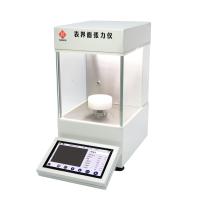
SITA's Surface Tensiometer is based on the principle of the bubble pressure method, and compared with the mentioned test methods, it provides a simple, affordable and reliable application method. Because the dynamic surface tension can provide you with a data related to the dynamic time and speed, while drawing conclusions on the print quality.
Advantages of Testing Dynamic Surface Tension for the Inkjet Industry
If required, SITA tensiometers can also provide quasi-static surface tension values when selecting a long bubble life time. Depending on your application area, you can choose different tensiometers to optimize the operation of the application area. Because of the portability and
The unity of the internal design of the instrument, so it can be applied in the laboratory, production process and quality control.
Areas to guide the work of production enterprises:
1. Research and development;
2. Management quality;
3. Quality control of incoming and outgoing products.
The use of SITA tensiometers in turn ensures optimization of product development and saves time in ink design for new printers and applications. In addition, when shipping, receiving or printing in the factory, SITA Surface Tensiometer can help us control quality faster and easier.