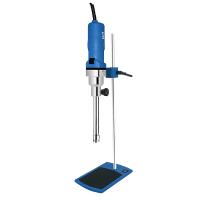
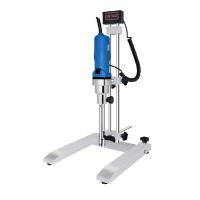
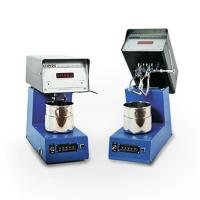
高剪切乳化机是一种能将物料充沛细化平均的机器,其称号来源应该是能促使油性物质(油相)与水性物质(水相)相混并构成平均的乳化液的机器。
第一种:等候的糜费
由于缺料、作业不平衡、计划不当等构成无事可做的等候,也称之为停滞的糜费。从高剪切乳化机企业资源的角度来看,包括资金、厂房空间、机器设备、原材辅料、人员以及信息等企业资源之间的相互等候,都属于这种糜费。在理论消费中,等候无处不在,只是很多时分我们觉得是合理的,比如产品切换招致消费线停滞;订单量少,产线无所事事:某种原材料没能及时到货,消费线停工;设备发作缺陷,修理半天,也是等候;上工序呈现问题,下工序无东西可做,典型的作业等候; etc.。
第二种:搬运的糜费
在高剪切乳化机企业内部,物品的取放、堆积、排列、移动、整列 etc.搬运的动作大都是无附加价值的动作,由这些所构成的糜费即为搬运的糜费。搬运的动作会直接构成时间、空间、容器、载具、保送带、人力 etc.的糜费,并间接构成库存、管理上的糜费,更糟糕的是,搬运过程还经常发作物品的损伤,也会构成许多质量性连锁糜费。其实要处置搬运糜费,要从两个方面思索:第一,改善搬运作业本身,道路更短,移动次数更少,合理的搬运方法避免碰撞, etc.;从管理层次上思索,消弭搬运,比如合理的消费计划,改动规划,避免过量消费,避免库存, etc.。
第三种:不良品的糜费
不良品的糜费是指消费出瑕疵品或必需返工的产品。一旦呈现不良品,就意味着之前投入进去的原材辅料、人工、设备、能源以及管理费用等都糜费掉了。这种糜费是显而易见;但是不良品的糜费,会弓l起一系列连锁反响,比如返工和额外的修复、为了避免送到高剪切乳化机客户手中,增加选择和检验,产品不良不敢交货,招致交期延误,采取紧慧换线、紧急调货、加班、海运变空运等应急手腕都会招致本钱的上升
第四种:动作的糜费
Whether the action is wasteful or not depends on whether the action has added value. In fact, the study of sports is a very interesting subject, and Americans have done very detailed research on the waste of sports. In fact, activities are mainly divided into value-added and non-value-added activities. The more non-value-added activities, the greater the waste. For example, when selling pork in the vegetable market, the high-shear emulsifying machine customer needs to cut the appropriate meat with one knife, but reaching for the kitchen knife and wiping the apron with both hands is not required by the customer, which is a waste of action.
The fifth type: waste of processing
In the manufacturing process of the high-shear emulsifier, there are some processing operations that seem to be required but are theoretically unnecessary, that is, the waste of processing. There are three main aspects: first, the redundant steps, which can be completed in two steps It took us 9 steps, and the method we adopted was not simple. This is like a math problem. Some people like to take a big detour to solve it. Unnecessary work caused by poor manufacturing process, for example, a certain part is easy to break, which leads to increased testing work; third, super high quality, the Japanese concept, how much money the customer gives, what kind of product is required, I will give you what kind Products, never blindly improve the quality, such as excessively strict specifications and tolerances, are actually unnecessary for customers.
Sixth: waste of inventory
The waste of inventory refers to: excessive raw materials, finished products or final waste products that lead to long pre-obsolete products, damaged products, transportation and storage costs and delays. Inventory is money. The interest is incomprehensible even if the money is left untouched. In order to prevent the money from spoiling, it has to be managed, which in turn leads to management costs. After a long time, things will rot and deteriorate, which is money again. And because of the existence of inventory, many problems are covered up, such as the relationship between the height of the water surface and the rocks at the bottom. When the water surface is high, it is difficult for us to see all the rocks, but when the water surface is low, the lithosphere is exposed. , this is the problem we need to solve. Therefore, for factories, reducing inventory is also a means of exposing problems.
Type 7: Creating too much (early) waste
Overproduction by a high shear emulsifier refers to the consumption of excess product within the specified time. This phenomenon is very common. Many companies manufacture products too quickly and too early in order to blindly pursue efficiency. The real good practice is to manufacture high-shear emulsifier products that customers demand within the required time. It is as if we open a steamed stuffed bun shop, in order to avoid the situation that the steamed stuffed buns are not available, we will make a lot of steamed stuffed buns in advance; but in theory, as long as the breakfast time is over, the demand for steamed stuffed buns will be greatly reduced, then this In this case, the extra steamed stuffed buns can’t be sold, but it is obviously not acceptable for customers to keep these steamed stuffed buns for sale the next day, just throw them away or look down on yourself. But these buns still use flour, meat, water and electricity, all of which are money, obviously wasted. It may be difficult for a seller of steamed buns to estimate a change in market demand, but they can roughly estimate the demand for steamed stuffed buns based on historical data. Also unwilling to do more. This is how the steamed stuffed bun shop is reducing excessive production waste.