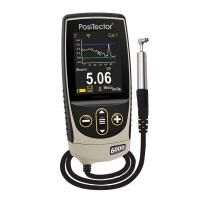
Some professional painters are unaware of the importance of applying the correct spread rate regardless of the substrate being painted. This is because it is often possible to apply paint at higher coverage rates and still achieve a consistent appearance, especially if the primer color is similar to the applied color. For example, a painter may feel very good about applying 12 square meters per liter of paint and still get a good look. However, if 10 square meters per liter of paint is the paint manufacturer's recommended spread rate, applying a spread rate of 12 square meters per liter will result in a dry film thickness of only the recommended 80% of the thickness.
No matter how good the exterior looks, a dry film that is too thin can adversely affect a number of key properties of the coating, all of which affect the final quality of the project. Performance quality is compromised Take mildew resistance as an example. Good latex paints resist mold better than economical latex paints because they usually contain more anti-mold, an ingredient used to inhibit the growth of mold.
However, this benefit of the paint film is minimized if you apply the paint too thinly, as thinner coats do not contain enough growth additive. A thicker paint film can not only provide the mildew resistance that the paint should have, but also help prevent fungi from obtaining nutrients from the substrate. Over-thinning can negatively impact coating performance in a number of other ways, including: Affects crack resistance - The crack resistance of a coating is directly related to its dry film thickness. This is especially important for exterior wood painting and refurbishment projects. Poor Hiding Power - The paint is not able to completely hide the surface, so past colors or patterns show through the paint film. This problem becomes apparent once the paint film has been eroded by weather or cleaning.
Poor Cleanability - Washing necessary to remove dirt or stains may partially damage the finish, especially on flat finishes. Therefore , thinner paint films will not be as resistant to cleaning as thicker paint films formed from the same paint. Poor flow and leveling - brush marks and roll marks are evident on the dried film. Applying a thick coat will provide better flow and leveling . Ultimate Durability of Exterior Painting Works - Thin films are more susceptible to erosion than thicker films under the same conditions. Gloss Consistency - An overly thin application film can compromise this important property. Primers can also be affected. The problems caused by not painting according to the specified spread rate are not limited to the paint, the primer can also be affected. This is because spreading the primer too broadly can also result in a thin dry film, which in turn impairs its primary properties.
With respect to primers, the main properties affected by spread rate are: crack resistance, hiding power, mildew resistance, consistency of topcoat gloss and, depending on the nature of the primer, stain blocking and corrosion resistance.
So take some time to measure your painted surface to work out its area. Then roughly determine the quantity, in liters, of paint, stain and/or primer needed to coat the entire area. Whether you apply by spraying, rolling or brushing, try to apply an adequate amount of paint to the surface.
Recommended coverage rates are determined by a combination of the condition of the surface to be coated (smoothness and porosity) and the specific coating being used. For very rough exterior wall surfaces, such as rough cement surfaces, the area that can be coated per liter of paint is about 3.6 to 5 square meters, while smoother surfaces, such as closed concrete casting surfaces and primed On smooth wooden surfaces, 10 to 11 square meters can be covered per liter of paint.
Whether you are contracting for interior or exterior work, always apply paints and primers at the manufacturer's recommended coverage rates. This results in a thicker, more protective and longer lasting paint film.