The color fastness test is to simulate the fading of the fabric and the damage to the adjacent stickers when the dyed fabric is subjected to external effects (extrusion, friction, washing, rain, exposure, water stains, sweat stains, saliva, seawater immersion, etc.) during use. Staining degree of lining fabric. There are many types of color fastness tests. The article "Comparison of Color Fastness Standards Under Specified Pressure" mainly expounds the concentrated color fastness test standards from the perspective of bearing pressure, and compares the technical conditions of each standard.
Among the common test standards, this type of test device is required mainly for color fastness to water, color fastness to perspiration, color fastness to saliva, color fastness to sea water, color fastness to dye transfer, and potential phenol yellowing. Evaluate.
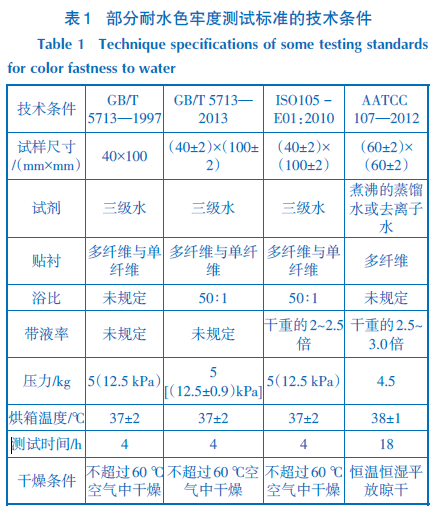
Color fastness to water
Color fastness to perspiration

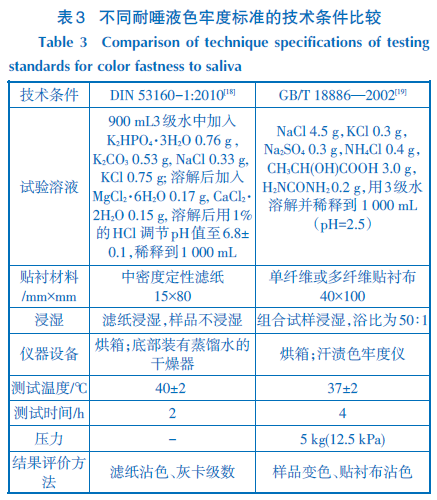
Color fastness to saliva
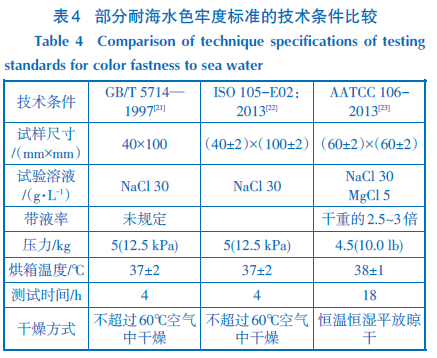
Color fastness to sea water
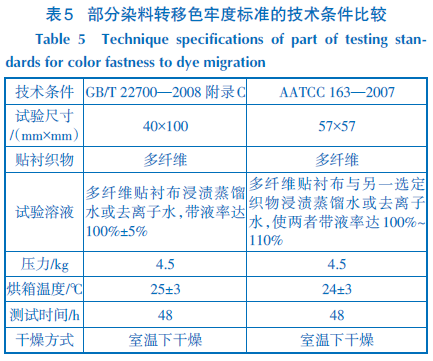
Dye transfer color fastness
in conclusion
Through the comparative analysis of the above six color fastness standards using the perspiration color fastness Tester and foreign standards, it can be seen that the color fastness test standards in my country need to improve the following aspects:
(1) The liquid-carrying rate, oven temperature, constant temperature time and the type of lining fabric specified in the test standards for color fastness to water, color fastness to perspiration and color fastness to sea water. At the same time, the components of the seawater color fastness working solution can be adjusted to suit the components of natural seawater.
(2) There are obvious differences between GB/T 18886-2002 and DIN53160-1:2010 standards for color fastness to saliva, and the test results are not comparable. Domestic standards need to specify the pH value of the test solution.
(3) For the evaluation of dye transfer color fastness and potential phenol yellowing, the technical conditions of domestic and foreign standards are basically the same. Among these standards, there are slight differences between domestic and foreign standards in terms of pressure, but they have little influence on the test results.
