There are 7 main methods for measuring the gel time of epoxy resin matrix, including Fishe method, GBl2007.7-89 epoxy resin gel time determination method, thermomechanical analysis method, viscometer method, magnetic coupling mechanism method, cone-plate viscosity meter method, rheometer modulus test method. Various methods are described below.
(1) The Fishell method is a very popular method. The sample is placed on a metal stand heated to a specified temperature, and the Tester stirs the sample until it reaches the gel point by visual observation, and records the required time with a stopwatch. Improved similar methods for determining the gel time of prepregs include GB5259-85, ASTM D3532-99, IPC-TM-650 2.3.18, SAE AMS3894, etc. Methods for determining resin gel time include ASTM D4217- 07 and a series of gelation time Testers developed for this method, such as GT-1 gelation time Tester, GT-2 gelation time Tester, GT-3 gelation time Tester, GT-6 gelation time Tester, SJ-1 gelation time Tester, CEC0 TA650-2E gelation Tester, etc.
(2) GBl2007.7-89 Epoxy resin gel time measurement method is to suspend a plunger of a certain shape and buoyancy in the resin at a specified temperature, and make it in a vertical plane with a certain fixed amplitude by the driving mechanism Do simple harmonic motion, and adjust it so that the plunger really rises during the movement on the body, and falls freely at a speed not faster than the simple harmonic motion when it descends. From the time when all the curing agent is added to the resin, until the resin gel is just able to The time automatically detected to support the force of the plunger drop is taken as the gel time.
(3) Thermomechanical analysis method: Use TMA to measure the change of material size with temperature. When the prepreg or resin is heated from room temperature, a little expansion occurs. After a certain period of time, the thermal analysis curve begins to decline, indicating that the resin becomes soft. This condition is continued until the curve starts to flatten, ie the resin gel is cross-linked. The gel time was obtained by subtracting the time difference of softening from the time of resin gelation.
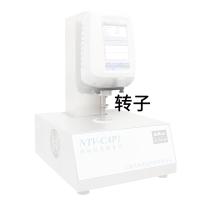
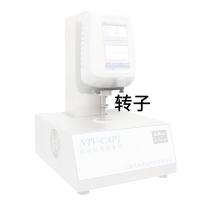
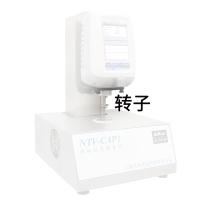
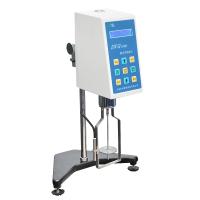
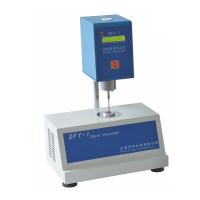
(4) Viscometer method: Put the glass tube containing the resin matrix sample into the heater, heat the resin to the specified experimental temperature, insert the steel rotor for measuring viscosity into the resin, and start the viscometer to run the rotor and time it. When the viscosity of the heated resin sample begins to increase sharply, the elapsed time is the gel time of the sample at that temperature.
(5) Magnetic coupling mechanism: Use Nol53 gel time measuring instrument to measure the gel time of polymer compounds through a special magnetic coupling mechanism. A plunger of a certain shape and buoyancy is suspended in the resin at the test temperature. The plunger can go up or fall freely in the resin. When the drop of the plunger is resisted and makes it fall with a lag, stop timing, which is the gel time.
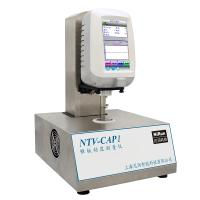
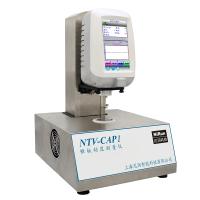
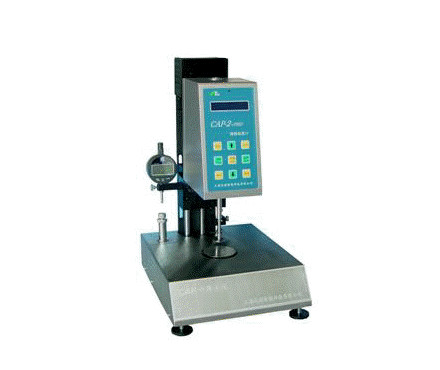
(6) Cone-plate viscometer method: put the quantitative resin matrix on the sample plate of the cone-plate viscometer at the specified temperature, put down the cone-plate for viscosity test and time it. The time elapsed until the viscosity no longer increases is the gel time.
(7) Rheometer modulus test method: put the resin matrix into the bottom bracket, set the gap to 0.5 mm, press down the cone plate with a diameter of 50 mm, heat up to the test temperature, start the test and record the time. When the loss modulus of the resin matrix intersects the storage modulus curve, the time of intersection is the gel time.