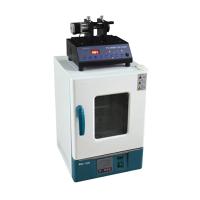
TiO2 photocatalysis has been widely studied and applied in environmental pollution control. Among them, the supported transparent TiO2 film can effectively use light and can be loaded on different substrates, so it has a good application prospect. The article "Preparation of TiO2 Thin Film with Stable Visible Light Catalytic Activity at Normal Temperature" uses a sol-gel method to prepare a TiO2 sol with anatase-rutile-brookite mixed crystal grains by hydrolysis of butyl titanate. Using tetrasulfonic acid phthalocyanine (CuTsPc) as sensitizer, TiO2 sol with visible light responsive activity was obtained after heating in Water Bath. Use the sol to dip and pull the coating film, and dry it at room temperature to obtain a phthalocyanine-sensitized TiO2 film (CuTsPc-TiO2). And the preparation conditions of the sensitized sol and the properties of the film were studied, and the loading mechanism of CuTsPc was discussed.
The conclusions show that: CuTsPc molecules are attached to the surface of TiO2 colloidal particles through electrostatic interaction, so that CuTsPc can be evenly and firmly loaded in the film after the sol is formed at room temperature, which is beneficial to the sensitization effect and the recycling of the film. By changing the heating time of the Water Bath or the concentration of cuTsPc in the sol, the loading amount of CuTsPc in the film can be effectively adjusted, and then the CuTsPc-TiO2 film with high visible light catalytic activity can be obtained.