The pigment used in the production of paint is a kind of fine granular matter, which is one of the raw materials required in the production of color paint. In addition to adding color and improving decoration, pigments also play a role in improving the physical and chemical properties of coatings, enhancing coating adhesion, light resistance and weather resistance, etc.
The various characteristics of paint pigments directly determine the quality of paint products. These properties mainly include the hiding power of the pigment, tinting strength, chemical composition, light fastness and weather resistance, and particle shape and particle size distribution.
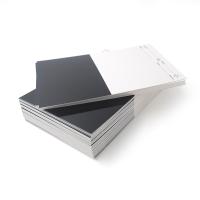
1. The hiding power characteristics of the pigments used in paints enhance the hiding power of the paints. The hiding power is the result of the pigment's scattering and absorption of ultraviolet light. The particle size, distribution, and crystal form of pigments for coatings are all related to the hiding power. In the production of paint, attention should be paid to controlling the amount of pigment added. The least amount of pigment should be used as much as possible to achieve good hiding power. Pigments are expensive, and if necessary, an appropriate amount of extender pigments can be added to reduce costs.
2. The tinting power of paint pigments refers to the ability of various pigments to form a strong or weak color after mixing. The tinting power mainly depends on absorption. The greater the absorption capacity, the stronger the tinting power. In the production of coatings, the selection of pigments with stronger tinting power can reduce the amount of pigments used, thereby reducing production costs. Because pigments with strong tinting strength can achieve the same effect with less dosage. To improve the tinting strength of pigments, attention should be paid to improving the dispersion of pigments. The better the dispersion of the pigment, the stronger the tinting power.
3. The chemical composition of pigments for coatings refers to the chemical properties of the chemical components of the pigment itself. The chemical composition of the pigment naturally determines the chemical properties of the pigment. For example, zinc yellow contains zinc chromate. Due to the water solubility of this chemical substance, when it encounters water, it will separate chromate ions and form passivation on the metal surface. People take advantage of this characteristic and use it as an antirust pigment. Therefore, the chemical properties of different pigments are different. In the production of coatings, the addition of pigments with corresponding chemical properties should be reasonably selected according to the characteristics required by the coating product.
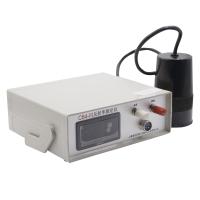
4. The light resistance and weather resistance of pigments for coatings refer to whether the pigments can withstand the test of harsh environments such as ultraviolet light, atmosphere, wind and rain, bacteria, etc., without deterioration. In general, the light resistance and weather resistance of inorganic pigments are significantly better than organic pigments. The light resistance and weather resistance of pigments used in coatings are divided into grades, and grade 8 is better.
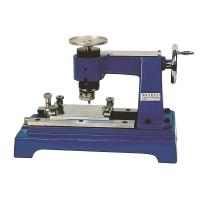
5. The particle shape and particle size distribution of pigments for coatings refer to the particle size and particle size distribution of pigments. The pigment is in the form of fine particles, but its size is not uniform. The pigments of the same chemical composition will have different pigment properties due to the difference in particle size, shape and particle size distribution, so the particle size and distribution of pigments also affect the performance of coatings.