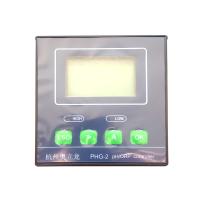
The pH electrode, also known as the pH probe or pH sensor, is mainly the part of the pH meter that is in contact with the substance to be measured, and is used to measure the electrode potential. At present, the pH meter measuring electrodes used in industry are generally divided into antimony electrodes and glass electrodes. The reference electrode generally adopts solid electrode or calomel electrode with stable performance and firm structure. With the development of manufacturing technology, most of the pH meters currently used in industry assemble the measuring electrode and the reference electrode together to form a composite electrode, which makes the electrode more miniaturized and easy to install. This is a metal-metal oxide electrode. Its electrode potential is generated at the interface between the metal and the oxide covering its surface. This kind of electrode has a simple structure and can be used to measure the pH value in liquids that do not contain oxidative media, semi-solids, gels, and water-oil mixtures. It can be used at higher temperatures, and the measurement accuracy is ±0. 2p H. The antimony electrode itself undergoes redox reactions as follows
What are the common classifications of industrial pH meter electrodes?

Guess you like it


Relevant knowledge
- 1Principle and Application of Standard pH Meter
- 2Method for determining amino acid pH value
- 3Basic principle and application analysis of anti-fluorine pH meter
- 4Proper use and maintenance of pH meters
- 5Understanding and Addressing Common Challenges in the Use of pH Meters
- 6How to use pH meter
- 7Differences between three STIP-scans: pH Meter, Conductivity Meter, and Dissolved Oxygen Meter
- 8PH meter conversion of mv and ph value
- 9Common types and application differences of STIP-scan
Author:
王琳
Source:
工业用PH计的概述
Products