How to measure moisture in concrete (positector CMM IS Moisture Meter)
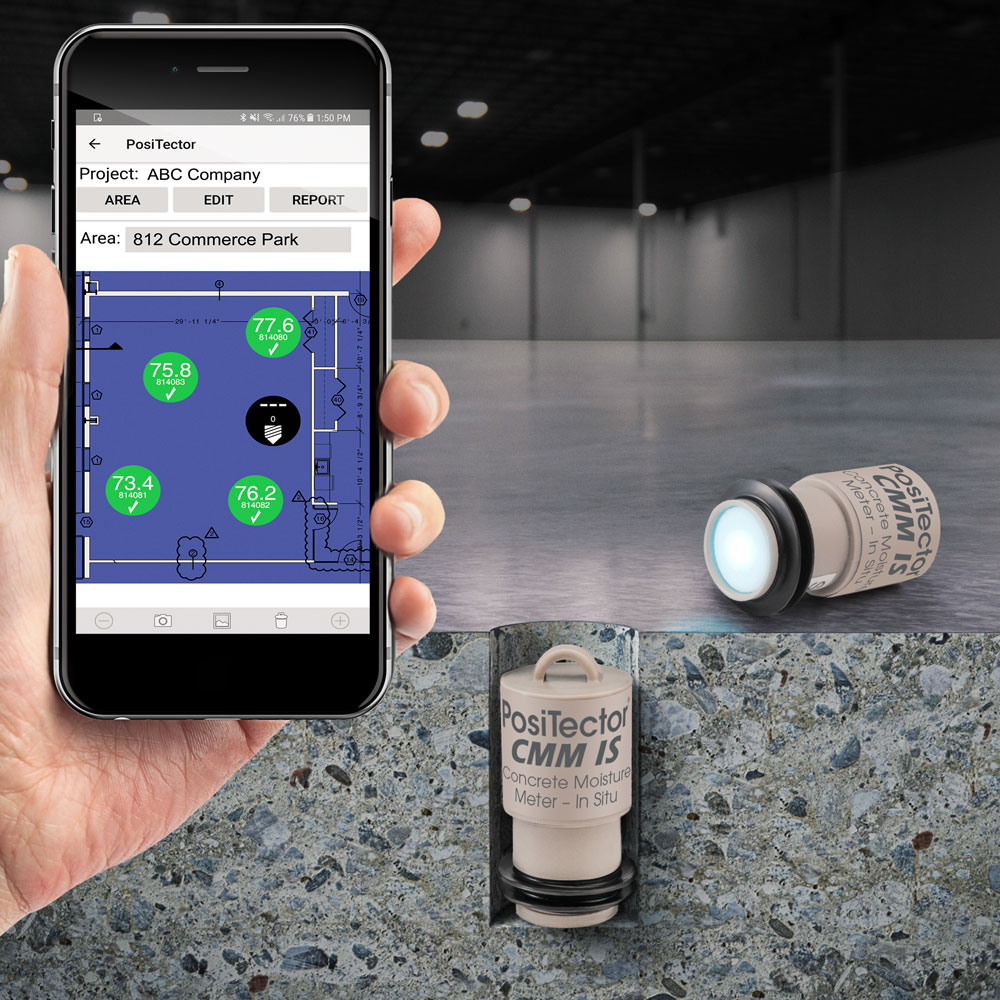
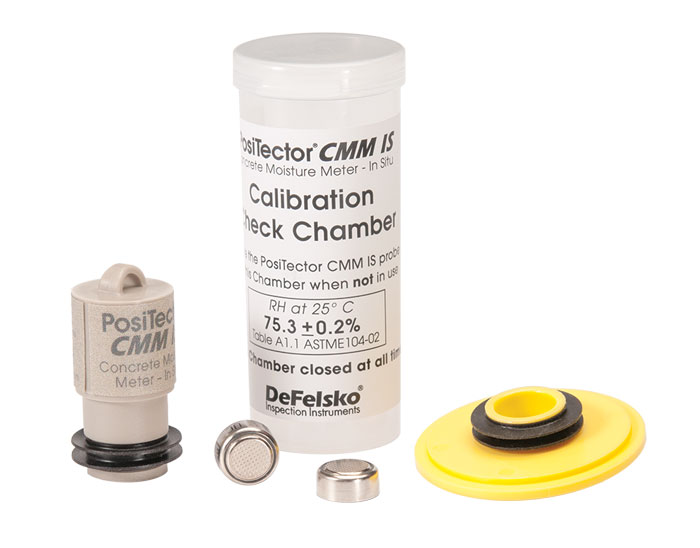
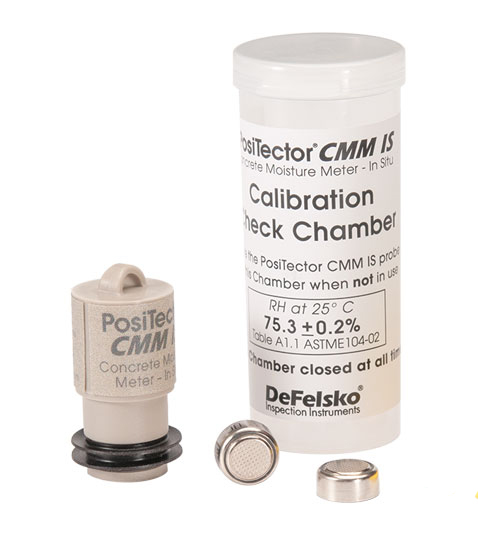
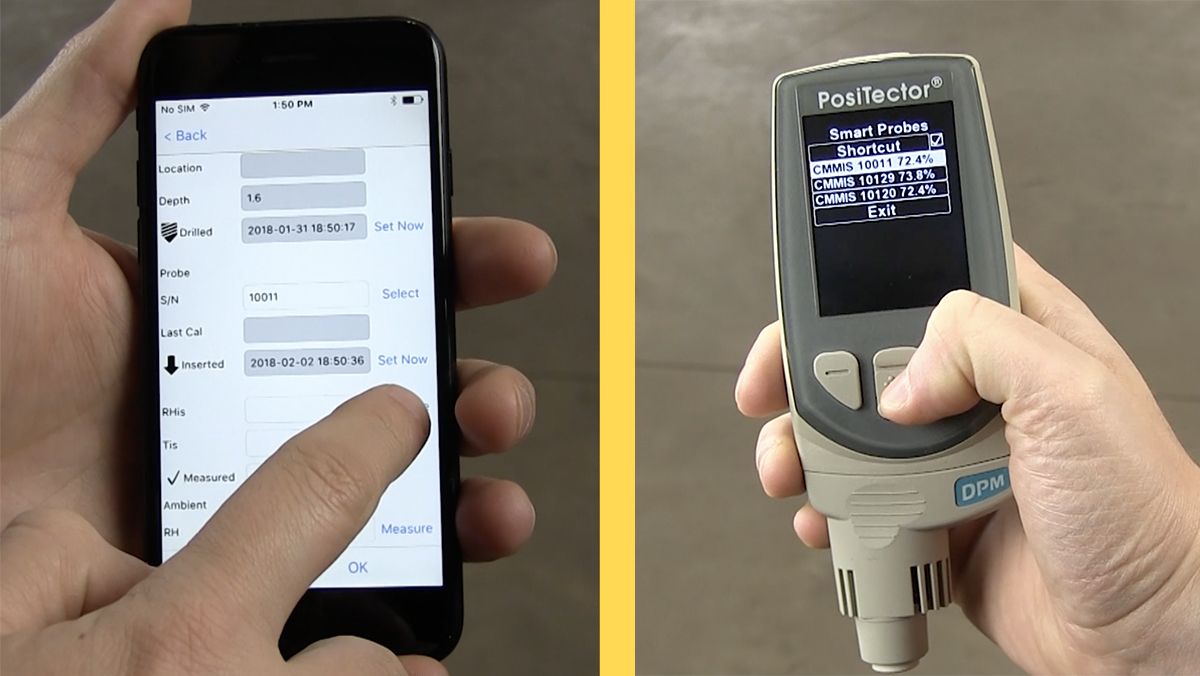
DeFelsko positector CMM ISThe Concrete Moisture Meter uses a simple, durable, and accurate method for concrete humidity (RH) measurement, in accordance with the inspectionASTM f2170, "Standard Test Method for Determination of Relative Humidity in Concrete Floor Slabs Using In-Situ Probes". In this article comparing different methods of measuring relative humidity in slab concrete, DeFelsko provides an innovative concrete moisture measurement system and explains how to perform the test.
background
Concrete is a cement composite (calcium oxide) bonded together by coarse and fine aggregates. When mixed with water, the cement powder undergoes a chemical reaction that combines the aggregate material into a durable, stone-like building material. However, after hardening (curing), this large amount of water remains moisture in the porous concrete. Over the next few months, this moisture is slowly emitted from the concrete until it eventually matches the moisture content of the air.
Measuring Concrete Moisture
On concrete slabs where protective coatings or other flooring materials are applied, it is critical to ensure that moisture levels inside the concrete have been reduced to acceptable levels. If not, moisture can accumulate under the coating or floor causing discoloration, cupping, buckling, blistering, debonding, and/or mold growth. There are various methods used for concrete moisture measurement. Three common ones utilize nondestructive electronic meters, anhydrous calcium chloride, or in-situ relative humidity (RH) probes.
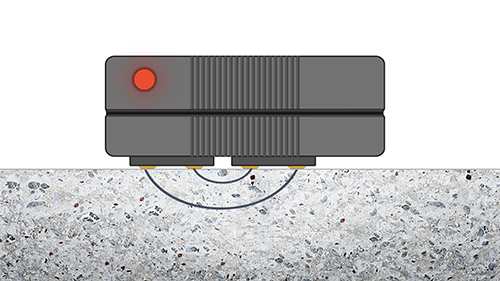
non-destructive electronicsMeasure the electrical impedance of concrete, vs. concrete. Due to their design, these meters can be affected by other slab conditions such as changes in the composition and presence of reinforcements in the concrete. ASTM recommends that this concrete Moisture Meter be used as a comparison, not a quantitative moisture content determination.
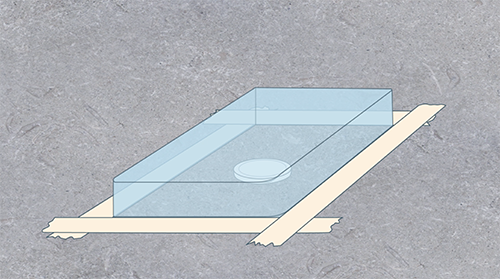
thisAnhydrous Calcium Chloride TestInvolves measuring the gravimetric increase of salt which collects moisture from the encapsulated area on the concrete surface. However, apparent doubts arose about the accuracy of this test:
There is no practical way to track national standards for these packages.
They measure moisture on concrete surfaces.
They are affected by external conditions.
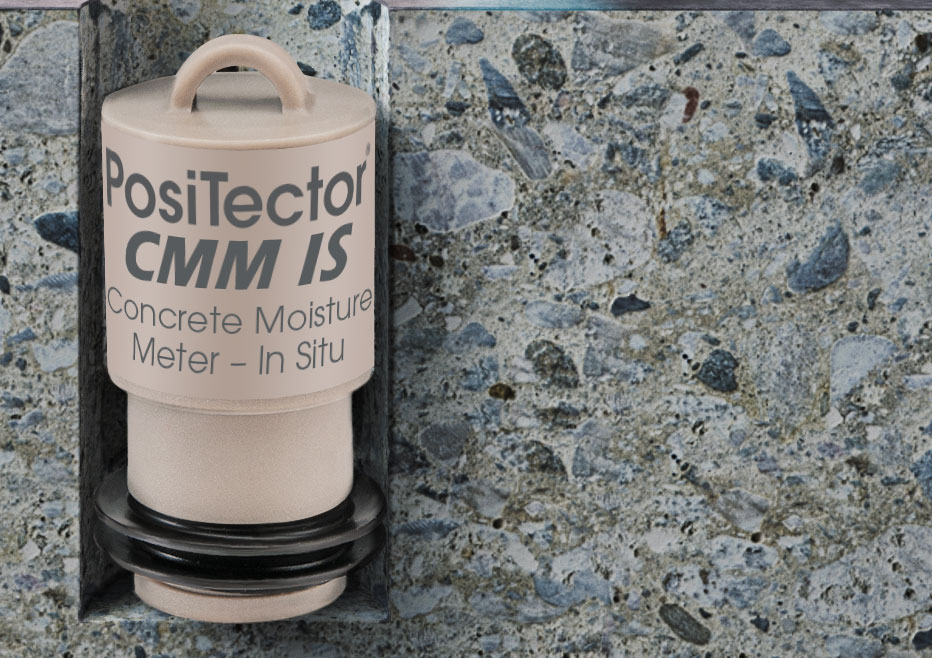
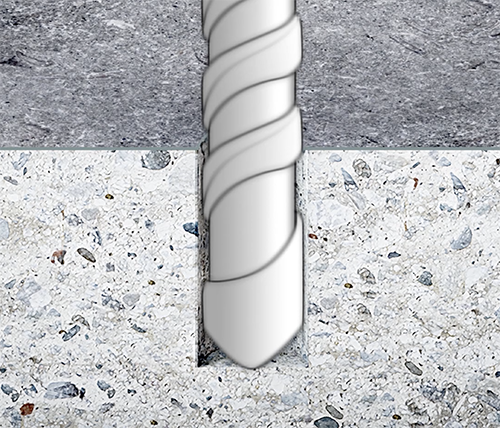
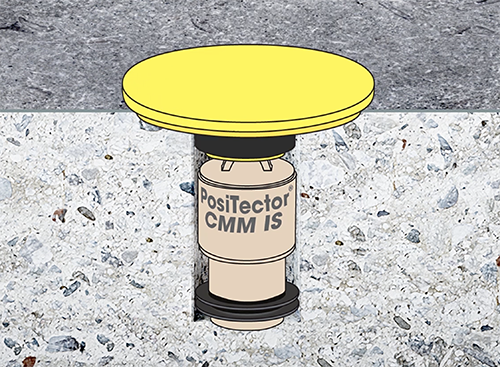
The new industry standard for measuring concrete isIn-Situ Concrete Internal Relative Humidity Testingdescribed inASTM f2170standard test method. It involves drilling holes into the concrete and using electronic probes to directly measure the moisture in the relative humidity slab.
In situ RH testing has many advantages over other methods:
The in-situ probe measures directly within concrete under actual moisture conditions, regardless of mix aggregate type, slab thickness, surface.
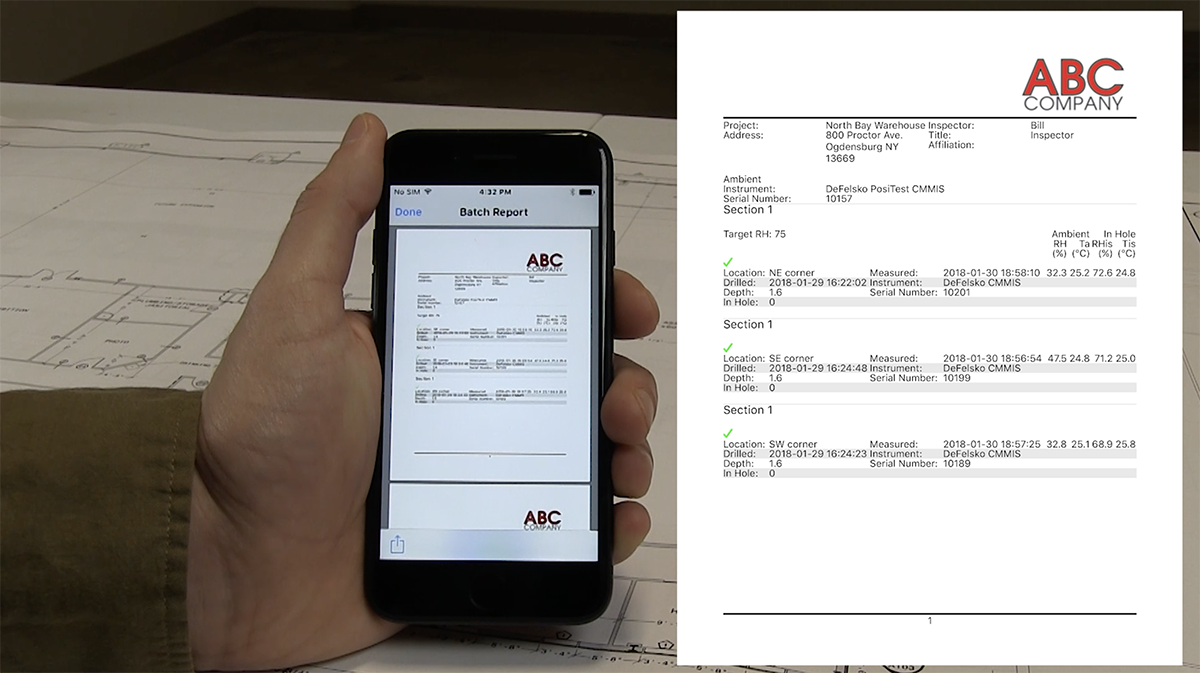
With ASTM f2170 gathering all the probe data required, the testing is done. useposisoftsoftwareStored data from your downloadspositector-professionalAccounting agency, or press the "Report" button, in thepositector APPTo view a PDF inspection report. This report contains all the information required by ASTM f2170 and can be emailed or saved.
in conclusion
innovationpositector CMMMake the concrete moisture measurement process and reporting faster, easier and more accurate. Registered, reusable probes for measuring the RH of solutions according to ASTM are desirable for in-situ concrete.