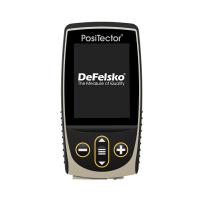
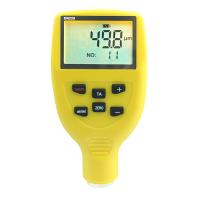
Film thickness measurement method _Defelsko comparison of several different Thickness Gauges

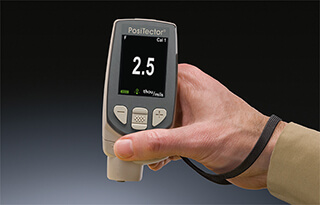
This article details the use of DeFelsko's coating Thickness Gauges in the galvanizing industry. It describes the different types of handheld instruments, some precautions to take during measurements, and frequently asked questions about the application in the Q&A section.

background

Steel corrodes when an electrolyte (such as water) connects the anode and cathode on the steel surface. The corrosion of batteries is caused by flakes of iron oxide called rust.

To avoid rust, it is necessary to prevent the formation of corroded cells. Two common methods for corrosion protection of steel:

  1. Catholic protection (using sacrificial anode).
  2. Create a barrier that blocks the electrolyte from contacting the steel.
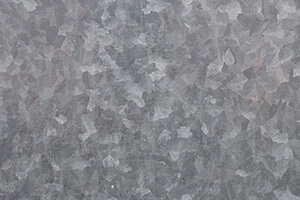
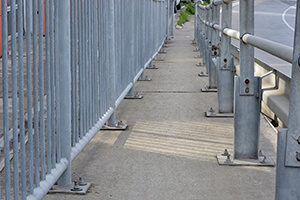
Galvanized thickness measurement method_Measurement comparison of several Defelsko Thickness GaugesgalvanizedIs the process in which a zinc sacrificial anode layer is used to provide corrosion protection to the steel surface. The final step in the process is to check:

●Coating thickness

Appearance

Adhesion

Uniformity

The thickness of the galvanized coating is directly related to:

Service life

Number of corrosion protection

Quality

Thicker coating of galvanized results in a longer life of the coated part. Therefore, coating thickness inspection is an important step in determining the quality of a galvanized coating.

Measuring method of galvanized thickness_Measurement comparison of several Defelsko Thickness Gauges

Galvanized layer thickness measurementThe size, shape and number of fragments to be tested will determine the appropriate test method. The specified test methods are divided into destructive and non-destructive.

There are four methods to measure galvanizing thickness:

  1. Magnetic principle Thickness Gauge
  2. Strip and weigh
  3. Weighing part before and after galvanizing
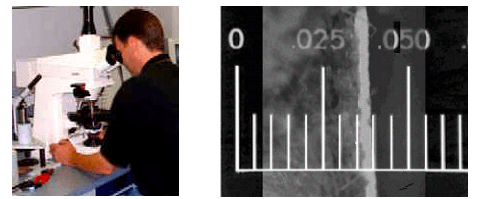
  4. Optical microscope(ASTM B487)

Galvanized thickness measurement method_Measurement comparison of several Defelsko Thickness Gauges with Figure 3

The most practical test is the non-destructive testing method that uses magnetic principles to determine the thickness of the coating. this test is

  • non-destructive
  • simple, fast and cheap
  • Meets internationally recognized standards including

    ASTM d7091

    ,CSA G164M

     and  ISO 2808

    Because it is non-destructive,

    Magnetic thickness measurement

    Galvanized layer thickness is a commonly used method for evaluation.

Magnetic principle Thickness Gauge
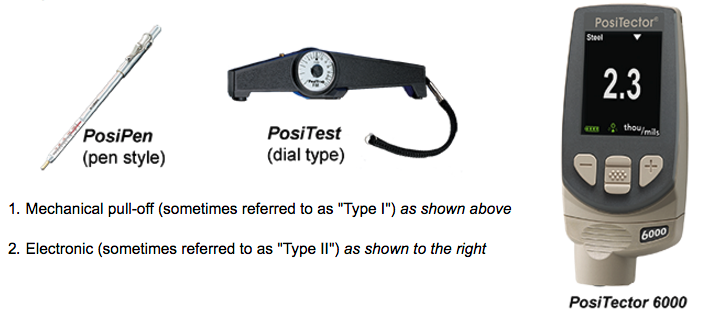
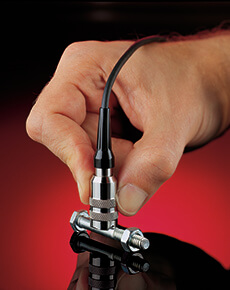
Coating Thickness Gauge, using the magnetic principle for measuring non-magnetic coatings applied to ferrous metals. The three common types of magnetic principle Thickness Gauges can be divided into two categories:


Measuring method of galvanized thickness_Measurement comparison of several Defelsko Thickness Gauges

Compare Magnetic Thickness Gauge Types

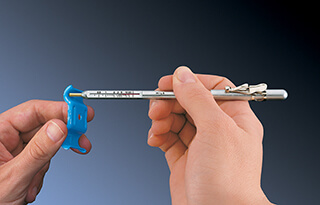
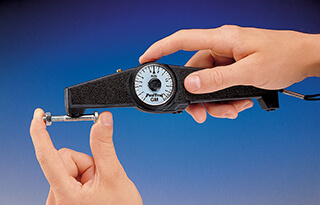
mechanical meter

  • Measure the strength needed to pull the steel away from the magnet. Thicker zinc, weaker magnetic attraction.
  • No calibration adjustment required
  • simple and sturdy

    electronic meter

  • ‍测量使用电子电路的磁通密度的变化。
  • 显然,数字读出
  • 专门探讨风格多种多样
  • 许多提供内置存储器
  • 可以作出调整基板条件

磁力计的特点

Measuring method of galvanized thickness_Measurement comparison of several Defelsko Thickness Gauges


机械/笔式

无需校准调整

很小,独特的磁铁允许精确位置

适用于小的,热的,或很难获得的测量位置

±10%精度

Measuring method of galvanized thickness_Measurement comparison of several Defelsko Thickness Gauges


机械/类型

无需校准调整

简单,耐用,普遍接受的

没有电池/电子

go/no-go按钮可预置的快速测量

±5%精度

Measuring method of galvanized thickness_Measurement comparison of several Defelsko Thickness Gauges


电子

● 快速和简单的操作

● 手动校准调整提高精度是可能的

● 易于阅读的数字显示

 灵活的积分或各种有线探头

● 连接选项,直接打印,USB,WIFI,蓝牙

● 统计能力平均,最小/最大

  • 上报测量数据的功能强大的软件
  • 内置存储器
  • ±1%精度

Galvanized thickness measurement method_Measurement comparison of several Defelsko Thickness Gauges with Figure 8

注意事项:

  • 按照制造商的指示‍计
  • 定期验证使用精度

参考标准

  • 确保测试表面无灰尘、油脂、氧化和腐蚀产物
  • 测量点选择应尽量避免在涂层明显的峰值或违规
  • 阅读足够数量可得到真正的平均涂层厚度


镀锌厚度测量方法_Defelsko几种不同测厚仪的测量对比配图9


当利用机械表执行以下步骤:

  1. 为了弥补基质条件的影响(包括质量、冶金、粗糙度、温度和曲率),测量涂层基板/部分在一些点,获得有代表性的平均值。这个平均值称为“基础金属读数”或“BMR”。
  2. 测量在通过相关程序或标准要求的景点数量的锌层厚度。
  3. 减去基础金属读数(BMR)从读数获得的镀锌层厚度。


当利用电子压力计,执行以下步骤:

  1. 为了弥补基质条件的影响(包括质量、冶金、粗糙度、温度和曲率),检查零未涂覆的基材/部分调整如果有必要的话
  2. 通过测量垫片放在未涂覆的基材检查。
  3. 测量镀锌部分。仪表读数表明应用镀锌厚度。

双涂层系统的测量

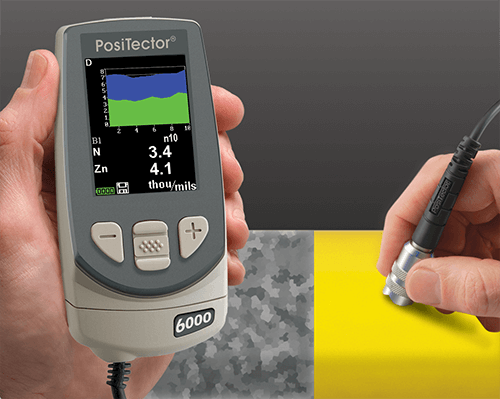
双涂层系统结合使用两种腐蚀保护系统–通常油漆或粉末涂料在镀锌钢(热、电或喷锌金属)。腐蚀引起的双涂层系统要优于单独使用保护系统。defelskopositector 6000基金涂层厚度无损测量个别厚度的涂料和锌镀锌层在复合涂层系统与一个单一的阅读。看到我们的双涂层厚度测量学习更多的应用笔记。

镀锌厚度测量方法_Defelsko几种不同测厚仪的测量对比配图10

转换

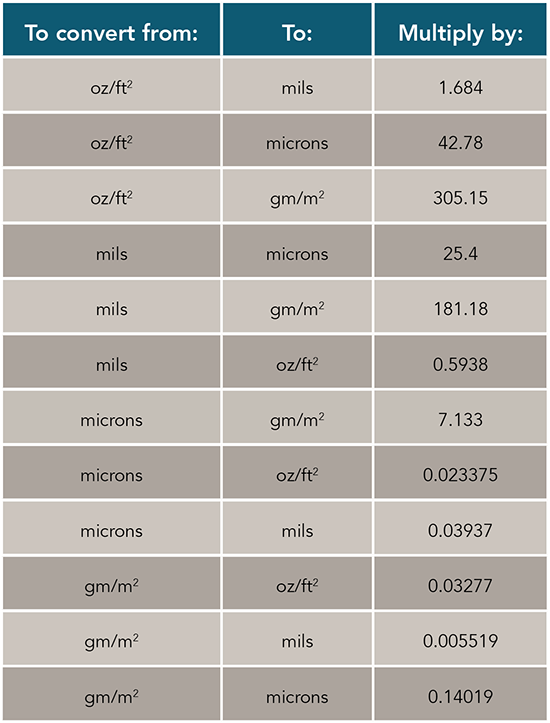
磁性涂层测厚仪的线性距离单位报告测量值,未涂布量。然而,仪表读数可以很容易地转换为涂布量的表达。


镀锌厚度测量方法_Defelsko几种不同测厚仪的测量对比配图11

例如转换


镀锌厚度测量方法_Defelsko几种不同测厚仪的测量对比配图12

例一:想象你坐在一个钢卷镀锌镀锌用positector 6000 F计获得单面厚度读“0.35毫升测量。“这可以很容易地转换为盎司/英尺²使用以下方法:

  1. 将0.35毫升的读数2占面板的两侧(0.70毫升)
  2. 0.70乘以0.5938的系数转换成盎司/英尺²(0.4157盎司/平方英尺²)
  3. 0.4157盎司/平方英尺²锌镀锌表明G40重量(0.40盎司/平方英尺²最小平均,ASTM A 653

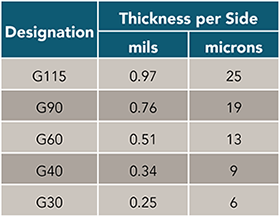
例B: 另外,你可以很快地确认镀锌钢板满足特定的镀层重量。 According toASTM A 653一种设计手段,G90涂层锌量对钢片的两侧是0.90盎司/平方英尺²。

然而,一个磁性测厚仪措施只有一方。因此:

0.45 oz/ft² x 1.684 = 0.76 mils per side, or 0.45 oz/ft² x 42.78 = 19 μm per side

例C:计算克/米²从结果显示在微米,先乘的读数(或一系列读数的平均值)的2倍,然后乘以7.133,结果。最终的计算结果将为双方的涂镀层重量。

问答

问:为什么它似乎我从来没有获得相同的读数两次?

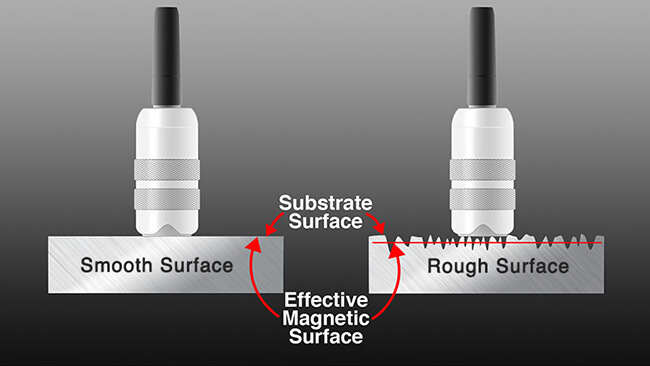
A、虽然镀锌表面可能光滑,但锌和钢表面都存在微观表面粗糙度。因此,涂层厚度很好的表示是由一系列的读数平均每ASTM A123获得。

镀锌厚度测量方法_Defelsko几种不同测厚仪的测量对比配图13


问:我可以使用一个磁性涂层测厚仪测量涂层的重量吗?

A: Magnetic coating Thickness Gauges measure measurements in units of linear distance, not coating weight. However, a code reader can easily be converted to an expression for coat weight through a conversion table or multiplication factor.
镀锌厚度测量方法_Defelsko几种不同测厚仪的测量对比配图14

Q: What kind of coating Thickness Gauge reads on G90 galvanized coating?

A: According toASTM A653According to the requirement, the amount of G90 coating zinc on both sides of the steel sheet is 0.90 oz/square foottwoMagnetic Thickness Gauges measure only one side.

therefore:

  • 0.45 oz/ sqft x 1.684 = 0.76 mils/part
  • 0.45 oz/ sqft x 42.78 = 19 μm /section

ASTM standard

extractASTM A123Standard Specification for Zinc (Hot-Dip Galvanized) Coatings for Iron and Steel Products:

  • The coating thickness of the test specimen shall be averaged over a minimum of 5 readings at widely dispersed points.
  • This average value shall not be less than the value in the specification table below the coating thickness class.
  • The thickness should be between 1.4 and 3.9 ml (35 and 100 µm) depending on the paint grade.

ASTM E 376Practice for measuring coating thickness by magnetic field and eddy current (electromagnetic) test methods

ASTM/a123m A123Standard Specification for Zinc (Hot-Dip Galvanized) Coatings for Iron and Steel Products

ASTM a153/a153mGalvanized (Hot Dip) Steel Hardware to Standard Specifications

ASTM a653/a653mStandard specification steel sheet, galvanized (electroplating) or galvanized iron alloy (alloy) by hot-dip galvanizing process

ASTM a767/a767mGalvanized (electroplated) steel bars for reinforced concrete

ASTM d7091Standard Practice for Nondestructive Measurement of Dry Film Thickness of Nonferrous and Nonmagnetic Coatings for Magnetic, Nonconductive Coatings Applied to Nonferrous Metals

NBCHAO E-shop
Guess you like it
Relevant knowledge