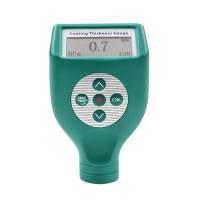
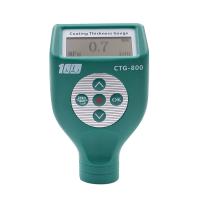
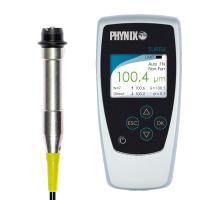
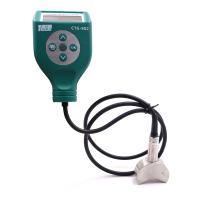
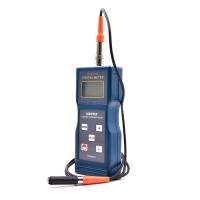
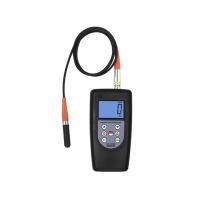
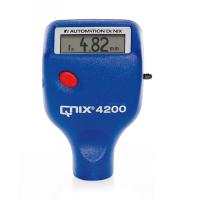
Hand-held coating Thickness Gauge is a commonly used inspection tool for constructors and quality inspectors. With a little care and maintenance, mechanical and electronic instruments can be relied upon to provide years of accurate and reliable service.

don't wait for calibration
Occasionally review the instruction manual to familiarize yourself with the instrument's features and functions before using it for the first time. Record manufacture, model number, serial number and date of purchase and highlight maintenance and calibration tips in the manual.
Now is a good time to establish calibration intervals. Calibration is the act of measuring a known calibration standard and verifying that the result is within tolerance. How often to check instrument calibration depends on many factors, including frequency of use, problems with the application, and the level of care received during use, handling, and storage.
If you use gauges frequently, measure on abrasive surfaces, or use them roughly, your gage may require a relatively short calibration interval. If your meter spends most of its time on the shelf, make it a little longer. If unsure, one year calibration interval from date of calibration, date of purchase, or date of receipt.
What do you do every once in a while? It depends on the quality system you are in. Some owners just measure a portion of a sample when their measurements are new and record the results. This sample is then saved for periodic checks of gage operation and accuracy.


However, a better and generally accepted method is to measure calibration standards using documented procedures. Standard coating thicknesses are available as certified coated metal sheets or plastic gaskets. License plates are usually more accurate. The process of measurement is described in a document called a calibration procedure, which some manufacturers request free of charge. Alternatively, return the instrument to the manufacturer or a qualified laboratory to perform the work at a nominal fee.
use it - don't abuse it
Now that you've taken care of the paperwork, it's time to practice measuring the test panels or shims that came with your coating Thickness Gauge. You can even use office furniture or other handy coated parts to make sure the gage is working and using it properly.
Volumes come in all different shapes and sizes. So learn the proper way to grasp and operate a particular model. Most handheld instruments take one measurement at a time. Lift the probe from the surface between measurements. Dragging the probe reduces probe lifespan.

Once the gage is put into use, it should be inspected before use. Look for obvious damage, especially to the probe or probe cable. The constant pressure probe should rise and fall freely. And even if the gauge body is scratched, chipped, or oversprayed with paint, the probe cannot. So double check the probe. Pay special attention to surfaces that come into contact with the coating. Damaged, worn or worn probes should be tested for accuracy and replaced if necessary. Metal shavings, dust and paint should be carefully removed with a cloth.
Heat and rough surfaces are harmful to coating thickness probes. For a long life, avoid prolonged exposure to hot surfaces and allow the probe to cool between measurements. Carefully lower the probe without dragging aside, respecting the rough surface. Plastic shims of known thickness can be placed over these surfaces for protection. This gauge will measure the total gasket + coating thickness, but the gasket thickness can be subtracted from the measured thickness. Be aware of the additional measurement tolerances created by using shims.
Signs that indicate a possible need for service include lower than expected readings (usually a sign of probe wear), higher than expected readings (a foreign object may be stuck on the probe), and erratic measurements (possibly a sign of component failure).
before you save it
It's a good idea to take a look at the probe before putting the instrument away. Fresh paint or other stuck material can be removed and the problem can be dealt with immediately, preventing nasty surprises the next time you use it.
Installing batteries and making probe connections for short periods of time when not in use is usually fine. Return the meter in the mail bag or original packaging. Cover the probe. Store in a dry place away from magnetic fields and extreme temperatures. It is prudent to do a quick operational check of the known thickness when retrieving the next job. This eliminates the need for regularly scheduled maintenance. Don't forget to bring your manual and spare batteries.
Whether magnetic, eddy current or ultrasonic, coating Thickness Gauges require only the right amount of regular attention to ensure years of accurate and reliable service.