Brookfield Engineering Laboratories, Inc., a global player in viscometers, helped Motion Engineering, a manufacturer and supplier of asphalt plant installations and controls, provide a solution that dramatically reduces energy consumption and the cost of dust collection installations.
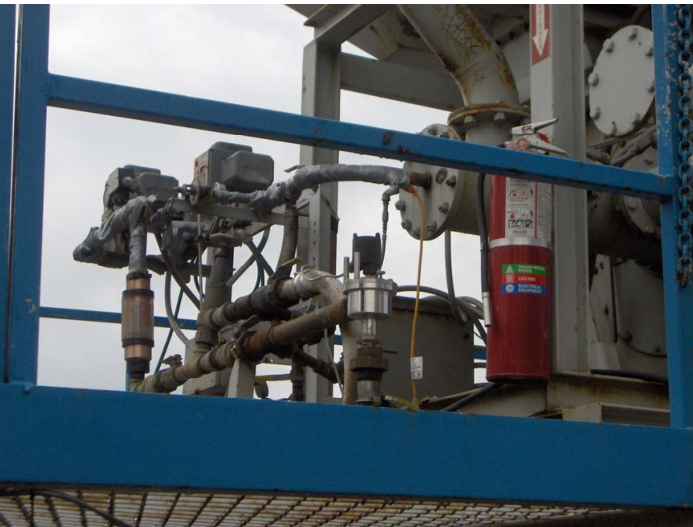
Among Motion Engineering's projects are some light and decentralized installations for the laying of asphalt roads, the mix and asphalt are heated in a converter by burning an oil burner, usually using "waste" oil as fuel (waste oil from automobile lubricants) , The viscosity of the oil is generally controlled and heated to 60 degrees Celsius. The equipment personnel hope to use the outFlow Cup to check whether the temperature is sufficient to ensure that the viscosity of the oil reaches 90 SSU. The intermittent measurement control leads to insufficient combustion control.
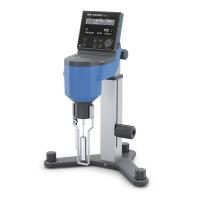
These projects now use the Brookfield AST-100 online viscometer to effectively control the viscosity of the oil entering the combustion furnace. Dozens of online viscometers have been applied to this field through Motion Engineering. Motion Engineering designs and assembles the system, including the viscometer , heat exchangers, controls, piping, and maintenance of these systems.
For drying furnaces and combustion furnaces, there are many problems that need to be controlled for viscosity, one of the important ones is that the fuel will not burn well enough, which will pollute the dust removal device (filtering the exhaust gas from the furnace), and produce unproductive products from the incomplete combustion process. Burning oil will damage the filter bag, which is often referred to as "blinding the bag". Incomplete combustion is generally caused by the fuel being too viscous or the preheat temperature too high, resulting in a "bright yellow" fire. Replacing these filters is a significant expense, typically costing up to $40,000 to replace, which is good with a viscometer The reason for this is that the return on investment can be recovered from the expense of replacing a bag, usually once a year, and the downtime is also an increase in expenditure costs. In practice, it is generally desirable to keep the preheat temperature higher than the set temperature to achieve the proper SSU viscosity. This will give less chance of incomplete combustion, however, this will waste energy. This is difficult to quantify in monetary terms, as preheating energy is important and accounts for a considerable proportion of all energy used in the overall project. These energy sources can be electricity, steam, natural gas, oil, etc., but are generally not metered separately.
Fred Petrie of Motion Engineering says, “Another reason to use an in-line viscometer is that the old furnaces were open so the operator could see that the burners were functioning properly, whereas the new regulations require the burners to be sealed, which It makes the automatic viscosity control more important". Compared with manual sampling control, it can be adjusted to automatic control. It takes ½ to 1 hour for the operator to manually measure the viscosity of the fuel. The operator’s hourly salary is $50. Generally, 7000 gallons are loaded per shift, and 3000 tons per day for one project, which is 1.75 gallon/ton, so they 5-6 shift/week*½ hour/shift=3-6 hours/week or $150-300/week, due to the different composition of different batches of oil, the operator needs to monitor at least every new shift Viscosity is adjusted simultaneously with temperature controllers, in fact, the main savings come from bag protection and energy efficiency.
The final issue is the cost of the fuel heating and heat exchanger system, Fred Petrie stated that "Motion Engineering's system has integrated the AST-100, which saves money and makes the control work better", and the result so far is that their customers also Totally agree, Fred said that their goal is to save 25% oil or gas, customers have been satisfied with their systems, Motion Engineering hopes to continue to provide these systems in the industry in the future.