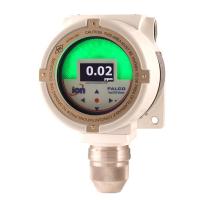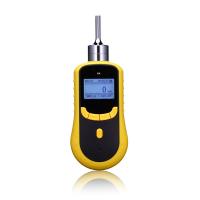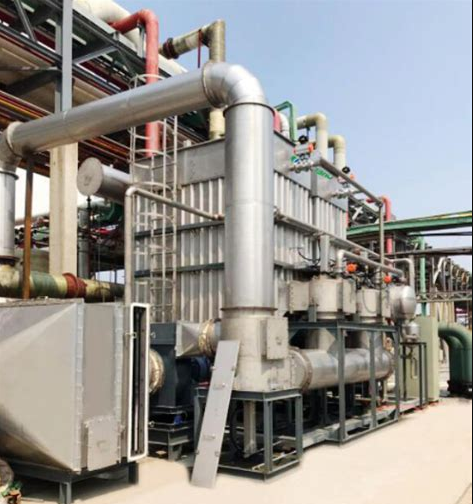
Common odorous substances and VOCs gases in chemical waste gas treatment include:
The sulfide is mainly hydrogen sulfide, hydrogen sulfide-rotten egg odor, and the odor threshold is 0.00041ppm;
Dimethyl sulfide seafood-like special smell, odor threshold 0.003ppm;
Sulfur dichloride medical bandages have a smelly and irritating smell, and the stench threshold is 0.001ppm;
Methyl mercaptan shoe polish is smelly and has a pungent smell, and the stench threshold is 0.00007ppm.
VOCs exhaust gas includes:
Amines are mainly trimethylamine - pungent odor, odor threshold 0.000032ppm; triethylamine - strong ammonia odor, odor threshold 0.0054ppm
Benzene series are mainly styrene-pungent odor, odor threshold 0.035ppm; p-cresol-pharmaceutical odor, odor threshold 0.001ppm
Esters are mainly ethyl acrylate-wheat straw dry has a pungent odor, and the odor threshold is 0.00047ppm
l Chemical toxic and odorous gases and VOCs waste gas emissions are harmful and odorous to disturb the people
l Harmful to human health
l Induced photochemical smog
l Generation of secondary organic aerosols
l PM2.5 precursors
Problems in the treatment of chemical VOCs waste gas and toxic odor gas:
l Unorganized emission is serious, and effective exhaust gas collection measures are the key link in governance;
l The composition is complex and requires a broad spectrum of purification technology, while the existing treatment technology is low in level, poor in effect, and high in cost, which seriously cannot meet the urgent needs of treatment;
l Focus on the design and manufacture of terminal treatment facilities, and there is a serious lack of source control technology;
l A single technology can only "cure the head for the headache, and treat the foot for the foot", lacking an overall solution, low technology integration, and no complete processing system;