Viscosity is often understood as "thickness" or resistance to flow, but in reality, it's more than that. All liquids have an internal friction between the molecules that determines the flow properties of the liquid. Because of this internal friction, energy is required to make a liquid flow. The so-called viscosity is a measure of the resistance to flow.
Liquids are divided into Newtonian liquids and non-Newtonian liquids.
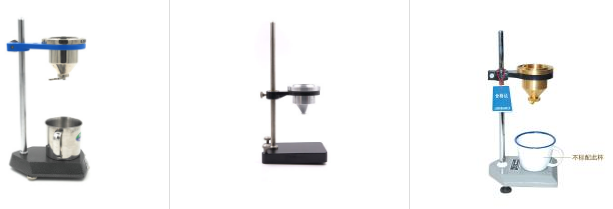
Newtonian liquids, such as water and some oils, continue to flow at a given temperature no matter how much force is applied. No matter how fast you stir or mix, Newtonian liquids behave the same. Viscosities of Newtonian liquids are usually measured by Flow Cups and dip cups.
Non-Newtonian liquids, such as paint and ketchup, change viscosity when a force is applied to the liquid.
There are several different classifications and subdivisions of non-Newtonian liquids, described below:
Thixotropic - that is, a substance that is gel-like when standing but liquid when stirred, such as:
Drip free of paint, ketchup and most types of honey.
Rheological type - a substance that increases in viscosity with the continuation of stress, such as some lubricants. Pseudoplastics - also known as shear thinning - when the shear rate increases, the viscosity decreases,
Examples: blood, gelatin, and clay.
Haptic thickening - also known as shear thickening - when the shear rate increases, the viscosity increases, such as: rice soup, cornstarch or concentrated sugar solution.
Viscosity measurement
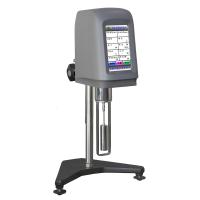
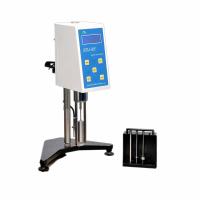
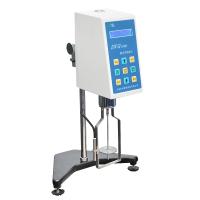
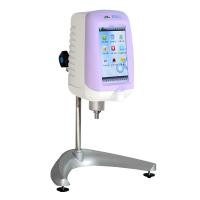
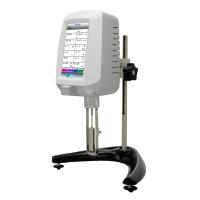
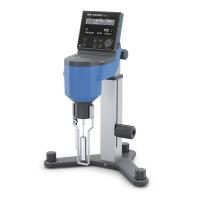
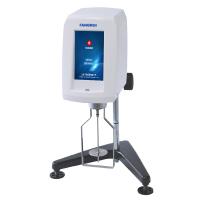
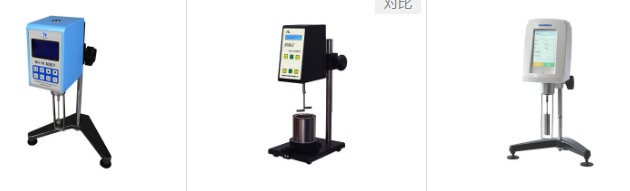
Non-Newtonian liquids are measured with a Rotational Viscometer
Flow cup: Let the liquid flow through the orifice. Usually, this method can be used for relative measurement and classification of its viscosity. The calculated kinematic viscosity value is usually expressed in seconds of circulation time, and can also be converted into centistokes (Centistokes) through the viscosity conversion disc. (see table opposite).
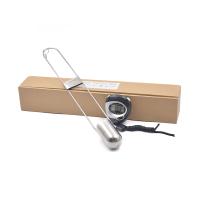
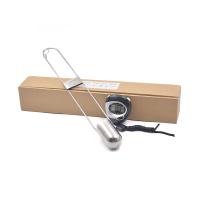
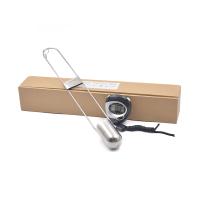
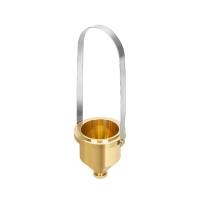
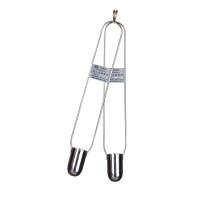
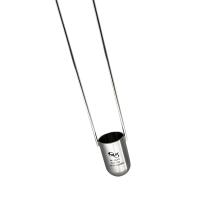
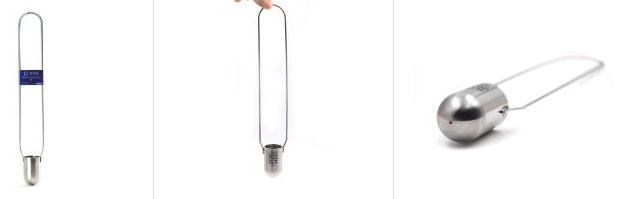
Dip cup: The same principle as the Flow Cup, different types of dip cups, such as Frikmar, Zahn, Shell, etc., can be used to quickly measure viscosity in the workshop or on site.
Rotational: For liquids whose viscosity does not depend solely on temperature and pressure, use a Rotational Viscometer for measurement.
Flow Measurement: A simple instrument used to measure flow and flow of paint, especially thick or paste-like materials.