There are many kinds of water-based coatings, among which water-based fire-resistant coatings are often sprayed on buildings as fire-resistant and heat-insulating protective layers. Today, the editor shares the skills of spraying a good fireproof coating film. After all, the effect of the coating film greatly affects the aesthetics and the actual protective effect of the protective layer.
In addition to technology, a good Spray Gun is also required for a good spraying effect.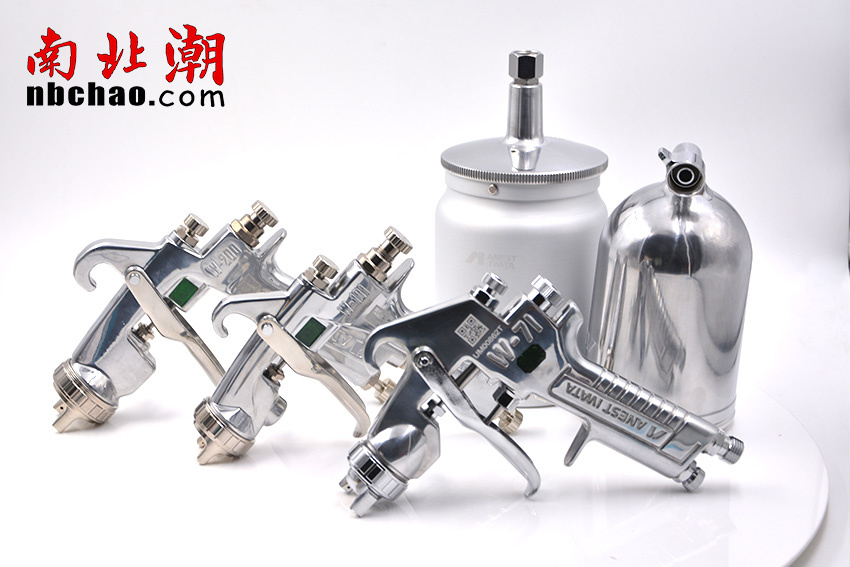
So how to spray better? Explain in detail below
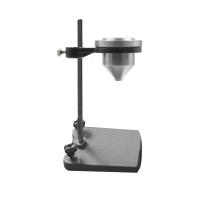
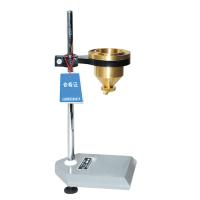
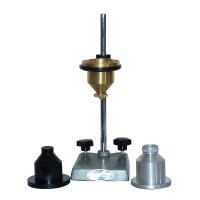
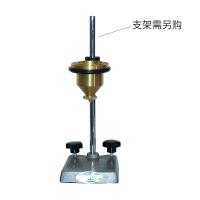
First of all, adjust the water-based fireproof coating to the appropriate spray viscosity, which can be measured with a Tu 4 Viscosity Cup. The appropriate viscosity is generally 20 seconds to 30 seconds.
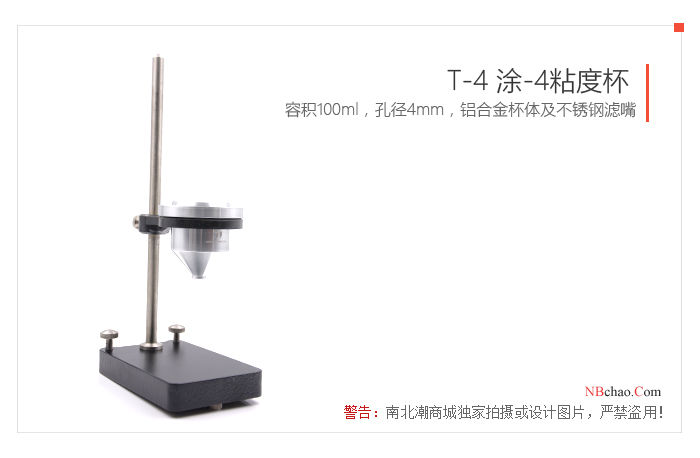
If there is no Viscosity Cup, you can also roughly estimate it by visual inspection : Stir the fireproof coating with a wooden or iron rod and stir it up to a height of 20cm to stop and observe. , it is too thick; if it breaks as soon as it leaves the upper edge of the barrel, it is too thin. When staying at a height of 20cm, the paint liquid will form a straight line, and the flow will stop instantly and become dripping, so this viscosity is more suitable.
Furthermore, 1) The air pressure used by the Spray Gun is recommended to be controlled at 0.3~0.4Mpa. Note that if the air pressure is too low, the atomization of the coating liquid will be poor, and pits will easily form on the surface; if the pressure is too high, it will easily sag, and the paint mist will be too large, which will not only waste the paint, but also affect the health of the operator.
2) The distance between the nozzle of the Spray Gun and the surface of the sprayed object is generally 200mm~400mm. If it is too close, the paint film is prone to sagging; if the spraying distance is too far, the paint mist will be uneven and prone to pitting, and the nozzle is far away from the object surface, and the paint mist will scatter on the way and cause waste.
As for the actual spraying distance of the Spray Gun, it should be adjusted appropriately according to the type, viscosity and air pressure of the paint. If it is slow-drying paint, the spraying distance can be farther, and the fast-drying paint can be sprayed closer; when the viscosity is thick, it can be closer, and when the viscosity is thin, it can be farther; when the air pressure is high, the distance can be farther, and the pressure can be closer. The so-called nearer and farther refers to a small range of adjustment between 10mm and 50m. If it exceeds this range, it will be difficult to obtain a satisfactory paint film.
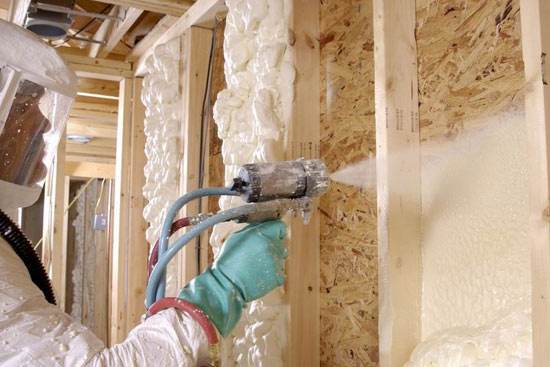
3) The Spray Gun can be moved up and down, left and right, and overlap spraying. It is recommended to operate at a speed of 10~12m/min evenly. The nozzle should be kept perpendicular to the object surface to spray, and avoid oblique spraying. When spraying to both ends of the object surface, the hand that pulls the trigger of the Spray Gun should be loosened quickly to reduce the paint mist, because the two ends of the object surface often need to receive more than two sprays, which is the most likely place to cause sagging.
Then, when spraying, the next one should press 1/3 or 1/4 of the previous paint film, which is also called overlapping spraying, so as to avoid the phenomenon of missing spray. When spraying quick-drying paint, it needs to be sprayed in sequence at one time, but the effect of respraying is usually not satisfactory.
In addition, when spraying in an open place outdoors, pay attention to the wind direction (it is not suitable to work in strong winds), and the operator should stand in the downwind direction to prevent the paint mist from being blown by the wind onto the sprayed paint film to cause unsightly granular surfaces.

Finally, the order of spraying is: first difficult and then easy, first inside and then outside. First high places and then low places, first small area and then large area, so as not to cause the sprayed paint mist to splash on the sprayed paint film and damage the sprayed paint film.
The above is the specific operation method of how to spray a satisfactory fireproof coating film. Have you got it yet?