Any kind of parts must go through quality inspection after the electroplating process is completed. The quality inspection of the electroplating layer includes the coating thickness, appearance, bonding force between the coating and the substrate, ductility, microhardness, brittleness, corrosion resistance, wear resistance and weldability, etc. The content of the quality inspection varies depending on the part and plating. There are also many standards at home and abroad for the quality inspection methods and evaluation of electroplating layers.
1. Coating Appearance
The appearance of the coating is an item that needs to be inspected for any part or type of coating. Usually, the appearance of the coating is observed with the naked eye under natural light conditions, including the macroscopic uniformity, color, and brightness of the coating. In general, in addition to the color appearance that the coating should have, it also includes uniformity, fineness, good adhesion, and no pinholes, streaks, blistering, burrs, cracking, etc. are allowed.
2. Coating thickness
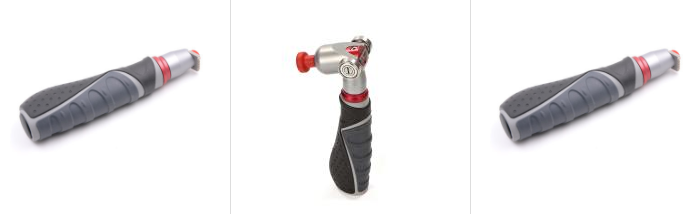
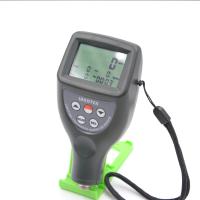
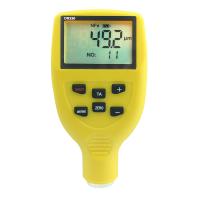
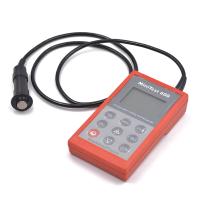
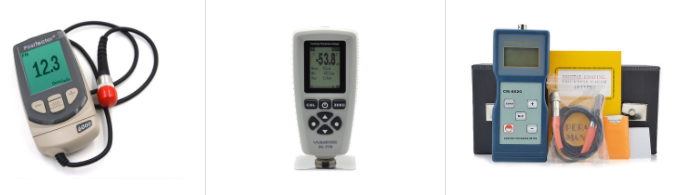
Only when the thickness of the coating reaches a certain thickness can the performance of the parts be guaranteed. Common methods for measuring coating thickness include destructive thickness measurement methods such as anodic dissolution coulometric method, metallographic method, drop method, etc., as well as non-destructive thickness measurement methods, such as magnetic induction thickness measurement method, eddy current X-ray method, etc.
3. Corrosion resistance of coating
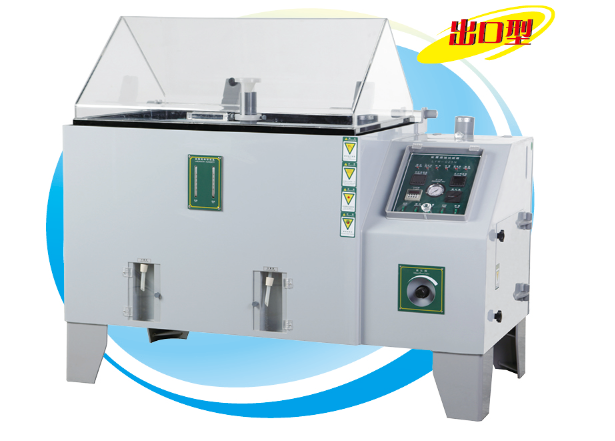
This is mainly evaluated through natural environment tests and artificial accelerated corrosion tests. The former includes atmospheric exposure tests under different environmental conditions. This method evaluates real, but the cycle is too long. The latter is often used, such as neutral salt spray test, damp heat test, etc. This is referenced by numerous standards at home and abroad.
4. Cohesion of coating
The bonding force between the electroplating layer and the base metal is called the bonding strength. There are many testing methods, which are basically qualitative tests. Such as scratch test, bending test, which is common, as well as friction polishing test, peel test and so on. Similarly, different methods are suitable for different coatings, and also have different evaluation standards.