Inexpensive method of coating film laboratory samples to determine coating thickness, substrate permeability, fluid compatibility, bond strength, etc. The drop bar enables technicians to perform these tests with minimal effort. The procedure is as follows:
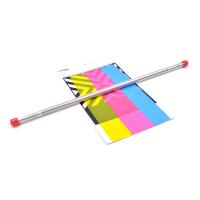
![Coating process of mayer rod [operation steps] with picture 1](//img.nbchao.com/upload/editor/image/20180830/1535597296628012403.jpg)
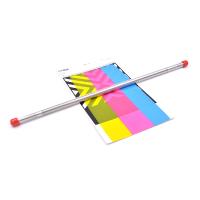
![Coating process of mayer rod [operation steps] with picture 2](//img.nbchao.com/upload/editor/image/20180830/1535597296850062096.jpg)
| Attach (or tape) a sample of the more suitable substrate to the glass surface of the pull down plate.
Using a spatula, place a small drop of coating solution near the top of the sample plate.
Grab the end of the Drawdown Rod immediately. Using the thumbs of both hands to prevent the rod from bending or bending away from the sample, pull the rod down through the liquid reservoir, allowing the liquid to spread and meter the fluid through the sample plate. When applying a knife coat, be aware of the behavior of the coating and any possible reaction with the substrate. (Note: A small cardboard groove can be conveniently constructed to catch excess liquid as it is sucked up to the bottom edge of the squeegee.) Dip the rod into the cleaning dish after use.
Coated samples are now ready for testing.
If the coating application is too thin, use a larger diameter wire. So if the coating is too thick, use a metal rod with a smaller diameter
|
The Wet Film Thickness Conversion Chart shows the wet film thickness that can be obtained from a given wire size. However, because there are so many variables, it is not possible to map the exact film thickness for all coatings. Wet film thickness is based on 100% solids, no evaporation, no penetration into the substrate. Rod diameter and rod pressure may also affect film thickness. Use this chart only as a guide for selecting wire sizes.
![Coating process of mayer rod [operation steps] with picture 1](http://img.nbchao.com/upload/editor/image/20180830/1535597296628012403.jpg)
![Coating process of mayer rod [operation steps] with picture 2](http://img.nbchao.com/upload/editor/image/20180830/1535597296850062096.jpg)