Coating film thickness is a very important indicator in coating engineering, which is usually used to control coating quality and ensure coating service life and performance. The following are several common methods for measuring film thickness:
Wet Film Thickness Gauge: Scratch Film Thickness Gauge, also known as wet Film Thickness Gauge, is an instrument that directly measures the thickness of the wet film on the surface of the coating. Usually, just after the coating is applied, the scratch Film Thickness Gauge is placed on the coating, and the wet film thickness of the coating is directly read through the Film Thickness Gauge or reading card.
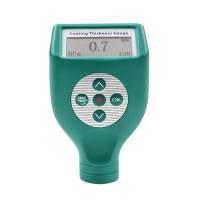
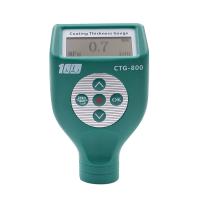
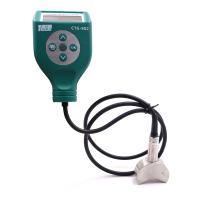
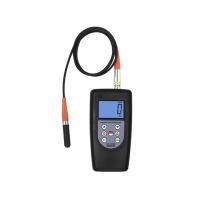
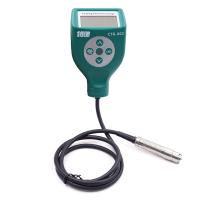
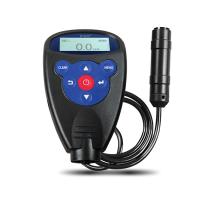
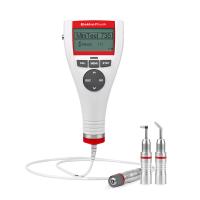
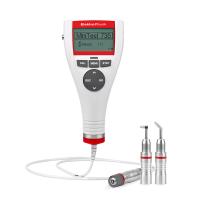
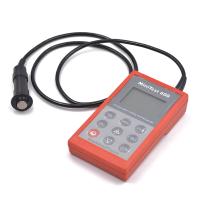
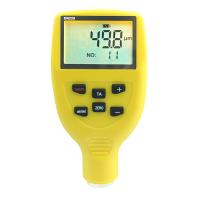
Dry Film Thickness Meter: A dry film thickness meter can be used to measure the thickness of the dry coating film, usually calculated by measuring the thickness of the coating after it has dried. There are usually two types of dry film thickness meters: one is a magnetic induction type coating thickness meter, which uses the principle of magnetic induction to measure the thickness of the dry coating film; the other is a eddy current type coating thickness meter, which uses the principle of eddy current induction to measure the thickness of the dry coating film. Both instruments are contact type and can be measured without damaging the coating surface.
Optical microscope: An optical microscope can directly measure the thickness of the coating by magnifying the image of the coating section. This method requires that the coating section be prepared into thin slices or microscopic slices, and then observed and measured under the microscope. This method can obtain high-precision coating thickness measurement results, but requires the preparation of coating section samples, so it is cumbersome and time-consuming.
X-ray fluorescence method: X-ray fluorescence method is a non-destructive method of measuring the thickness of coatings, which uses the fluorescence properties of X-rays to measure the thickness of coatings. This method requires the use of professional X-ray fluorescence instruments and the calibration of different materials and coating types. This method can measure coatings over a wide range and irregular shapes, but requires professional technicians for operation and maintenance.