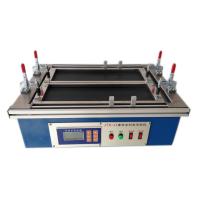
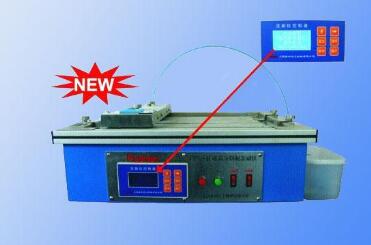
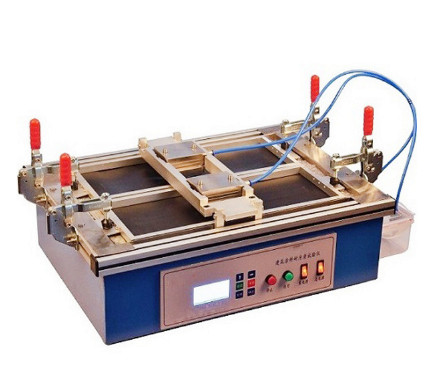
1. Purpose:
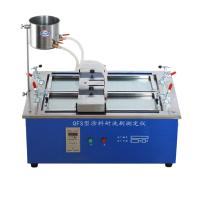
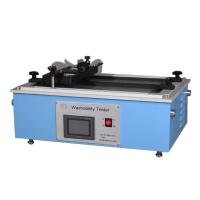
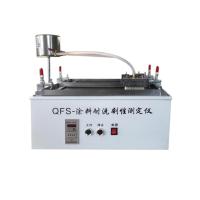
The Scrub Resistance Tester for Architectural Coatings is designed and manufactured according to the standard GB9266 "Determination of Scrub Resistance of Architectural Coatings". It is an instrument used to evaluate the scrub resistance of coatings, and sometimes to evaluate the performance of any thin film composite treated surface such as: paint, electroplating, floor, overlay, wood density and other forms of surface performance. The device scrubs the paint on the standard test plate. The number of times of washing can be read directly by the counter. According to the number of times of washing resistance, the importance and necessity of testing the washing resistance of coatings can be evaluated. This instrument is matched with national standards. It is a verification instrument required by paint manufacturers and paint research departments.
Second, the main parameters of the instrument:
1. Brush specification: 38×90mm
2. Self-weight of the brush (including the brush tool): 450±2g
3. Brush reciprocating stroke: 300mm
4. Brush running frequency: 37±1 times/min
5. Counter: 4 digits
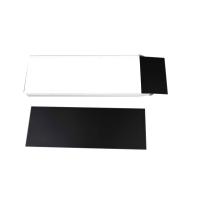
6. Test plate size: 430×150×3mm
7. Motor power: 90W
8. Power supply: 380V 50Hz (220V can be customized)
9. Dimensions: 600×430×450 (length×width×height)
10. Weight: about 50kg
3. Introduction to the instrument:
The brush (including the brush) weighs 450g, reciprocates at a frequency of 37 times/min, and its standard stroke is 300mm.
The liquid storage cylinder on the upper part of the instrument is used to store the soapy water used in the test. During the test, the water outlet speed should be adjusted according to the national standard.
According to the thickness of the test plate, select qualified washers to ensure that the brush fixture with pin is assembled in the brush clamp hole on the beam and can move up and down freely, so that the weight of the brush 450g is always pressed on the test plate.
4. Operating Instructions:
1. Soak the brush in 20°C water for 30 minutes in advance, the soaking depth is 12mm, then take out the brush and press it dry, and then soak it in 0.5% soap solution for 10 minutes.
2. Put the test plate in the work plate, and then clamp the test plate with the quick clamps on both sides (the height of the rubber chuck can be adjusted according to the thickness of the test plate), and the test plate must not have any serial movement during work.
3. Put the brush into the brush holder, tighten the fixing bolts to fix the brush from loosening, and then connect it to the beam brush holder, and control the gap between the brush tool and the beam holder at 3-5mm, so as to ensure the free movement of the brush.
4. Put the scrubbing medium (dissolve washing powder in distilled water to make a 0.5% solution, the pH value of which is 9.5-10.0, and the scrubbing medium can also be other media specified in the product standard) into the water storage tank.
5. Turn on the power, the counter will display "0", press the preset button to reach the required number of times, then press the start switch, the brush will start to move, and the counter will count by itself. Plate moist. The dropping rate should comply with the national standard GB9266, adding 0.04g per second.
6. Observe whether there is any wear and tear at the middle 10 cm of the test plate. If you want to stop halfway (not reaching the preset value), press the stop switch (try to stop the brush at both ends) and stop washing. If you want to continue Just press the start switch to wash.
7. When the test piece is not exposed to the bottom and the counter has reached the predetermined value and stops, if you want to continue the test, you need to press the counter reset switch (RESET) first, and the counter will return to zero, otherwise it will not start, then press the start switch, and the counter will start counting again , the cumulative number of washes.
8. If it is used to inspect the product, just dial the preset value to the qualified value, start the machine, and stop automatically when the preset value is reached, and check whether the test plate is exposed to judge whether the product is qualified.
9. For the operation of the panel, see the schematic diagram of the panel.
5. Matters needing attention:
1. The motor needs to run clockwise (the brush stops at the side when the machine stops), and the motor runs counterclockwise (the brush stops near the middle when the machine stops), which will cause noise and vibration. If counterclockwise operation occurs, it is necessary to change the phase of the power supply line.
2. When the instrument is running normally, it is strictly forbidden to press the counter reset switch casually, otherwise it will cause inaccurate counting.
3. Press the reset switch before starting each time, and the counter will display "0"
4. After each test, the liquid storage cylinder, glass plate, brush and instrument working parts should be cleaned, and the panel and instrument body should be wiped dry with a dry cloth to prevent corrosion.
5. Check the oil level of the reducer after using the instrument for half a year. Take out the oil dipstick first to see if the oil level is on the standard line of the oil dipstick. If it is lower than the standard line, add No. 20 gear oil. The oil level must not exceed the standard line, otherwise it will affect the normal operation of the reducer.
6. The production of the test plate should meet the requirements of national standards.
7. The instrument needs to be kept level when placed on the desktop, and the machine screw can be adjusted before testing.
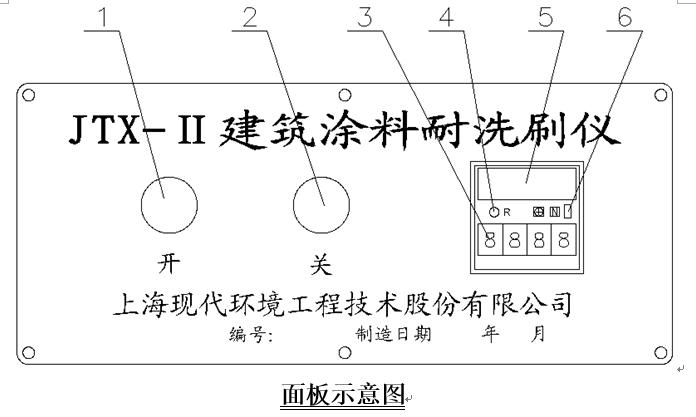
1. Start button.
2. Stop button.
3. Counter setter.
4. Reset button RESET.
5. Counter display window.
6. Counting state selection switch:
⊕ — Up counting with power failure memory
+ — Up counting without power failure memory
- - Subtraction counting without power failure memory
N — When the count reaches the preset number, the contacts of the relay will change position, and the counting cannot continue