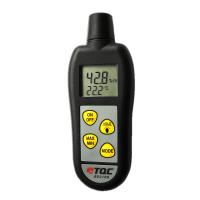
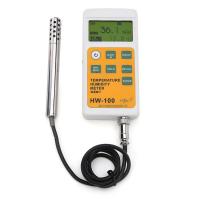
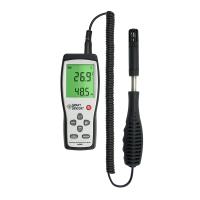
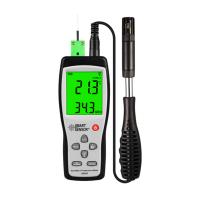
Thermo-hygrometers, also known as relative humidity (RH) meters, are incredibly useful tools in a variety of applications. From concrete installation, to home inspections, to checking RH conditions at lumber storage yards, a thermo-hygrometer can be invaluable.
However, like many professional tools, proper thermo-hygrometer care is what ensures accurate and reliable results. The accuracy of a temperature hygrometer can be affected by many factors, such as the condition of the sensor element, the internal components of the hygrometer, and even whether the battery is fully charged.
One of the key parts of hygrometer care is knowing how to avoid handling these humidity testing tools. With that in mind, here's a list of some things you might do that can adversely affect your thermo-hygrometer: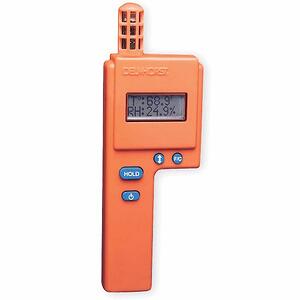
Simply put the thermo-hygrometer out for a few days
Thermo-hygrometer 4 One of the common mistakes even professionals make when caring for their thermometer-hygrometer is that they don't use the instrument for days on end. This is usually done for convenience - just leave the RH meter in place so they can quickly check the relative humidity with minimal settings.
Unfortunately, this exposes the sensor element to many pollutants in the air. Over time, these contaminants can damage the sensor element, causing sensor drift, which means that the accuracy of the thermo-hygrometer suffers.
This also applies to in-situ probes used for moisture testing of concrete under ASTM F-2170. While probes can be left in the sealed concrete casing, any probe left in there for more than 30 days will require it to be tested for calibration. This is because the probe may have become contaminated and suffer from sensor drift which could compromise the readings.
If the sensor element becomes contaminated, it will need to be replaced as soon as possible to restore normal function.
Attempt to clean a dirty sensor element
If the sensor is going to get dirty, it must be cleaned, right? Well, not exactly. Many things besides dust particles can cause damage to the delicate RH sensor element, including water, soap, and bleach. Trying to clean a contaminated sensor element on an RH meter is more likely to cause damage than repair it. Good practice is to replace the thermo-hygrometer.
Exposing the Thermo-Hygrometer to Extreme Temperatures
As with any electronic hardware, exposing a digital thermometer to very cold or very hot temperatures can cause damage to its internal components, even if there are no signs of external damage.
Therefore, it is usually better to avoid leaving the thermo-hygrometer for extended periods of time in extremely hot or cold environments, such as wood drying kilns or walk-in refrigerators. A good rule of thumb is that if you don't put a person in this condition, you shouldn't have a hygrometer on them.
try to fix it with a digital thermometer
If your thermo-hygrometer isn't working properly, it's important not to attempt to disassemble the RH meter yourself to diagnose the problem. At the very least, it is possible to expose the delicate internal parts of the hygrometer to contaminants that could cause significant damage, not to mention void any warranty on it.
If you want your humidity testing equipment to be repaired, it's best to take it to the manufacturer and have them fix it - before checking for basic repairs like replacing the battery or sensor element, of course. With Delmhorst's own repair service, you can request a written repair cost estimate - or we'll send it to you automatically, and if the cost is high enough, just buy a new RH meter would be even better.