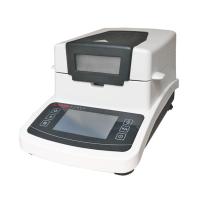
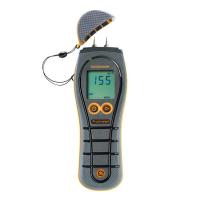
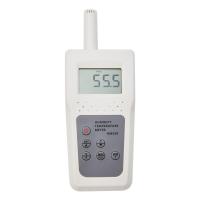
A hygrometer is an important tool for many professionals. Using these handy devices, contractors can better comply with ASTM F-2170 standards, woodworkers can ensure their lumber is properly conditioned, and farmers can monitor soil conditions as well as moisture in hay bales. Other uses for hygrometers include:
Home inspection.
Water damage recovery.
IAQ (Indoor Air Quality) control.
Eliminate pests.
This is just a small part of what a Moisture Meter can do. With rugged and reliable Moisture Meters, professionals in many different industries can get the moisture data they need to overcome on-the-job challenges.
However, even the most robust and reliable tools can quickly become useless if not used and disposed of properly. With that in mind, we've rounded up some of the things you shouldn't do with your hygrometer if you want to keep using it at work:
#1: Don't leave gauges in live kilns
Kiln drying is an important part of the woodworking process. By drying wood in a kiln, woodworkers can ensure that excess moisture won't cause unsightly warping or other defects in the final product.
A Moisture Meter is a very useful tool for ensuring that kiln-dried lumber is actually dry. However, it is important to be careful not to leave the hygrometer in the hot kiln. Extreme temperatures can cause damage to sensitive electronic equipment, and hygrometers are no exception. Even if there are no outward signs of damage or charring, the circuitry inside the meter can be damaged.
It's important to note that short-term exposures, such as what happens when you walk into a kiln for a quick read, usually shouldn't be a problem with a well-made hygrometer. The real problem occurs when the gauge is left in a hot kiln.
There are some hygrometers that are used to monitor humidity conditions inside active kilns, although these actually plug into sensors that are integrated into the kiln from the outside, such as the KIL-MO-TROL.
#2: Do not immerse the meter in water
 Although hygrometers are designed to detect moisture, they are not meant to be actually submerged in water. When water gets inside a device, whether it's a needle type, pinless type, or a thermo-hygrometer, it can damage the circuit boards inside the device, causing the circuit boards to short out like any other electronic device.
This might sound like an obvious suggestion, but you might be surprised how much moisture damage is the cause of a hygrometer failure.
For pinless and pin gauges, too much moisture on the readout element (contact pin of pin pin, scan plate without pin) can cause corrosion if left alone for too long. Solve this problem by cleaning the readout element after use. Doing so will extend the life of the meter and maintain its accuracy.
#3: Don't take your meter apart
Many manufacturers recommend that you never take an electronic device apart to try to fix the problem yourself. There's actually a good reason to follow this advice: You can do more damage to the inside of your device just by trying to open it.
Most hygrometers are designed to be sealed. Opening the device in a non-sterile environment exposes the PC board to contaminants that can cause it to degrade. We recommend that you avoid attempting to move or modify parts inside the device.
Instead, try calling the manufacturer's hygrometer support line or checking their website for FAQs to see if there is a solution to the problem you're having that doesn't involve opening the case. If not, send the device in for repair. The manufacturer should be able to fix the problem, and if not, they can replace it. Of course, this assumes the hygrometer is still under warranty (and most warranties are voided by opening the case of the device).
#4: Don’t Throw Your Meters to Others
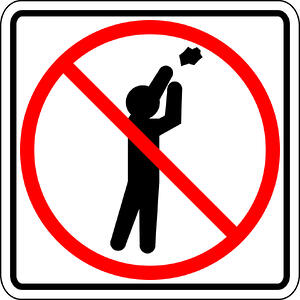 You'd be surprised how many meters (and even other sensitive electronics) are sent in for repairs because someone took the device and clipped it to another person. More often than not, the person on the receiving end can't get hold of it, and the device ends up hitting a wall or concrete that's slightly too hard.
This impact can crack the case and loosen or damage the circuitry. Damage to the housing can allow contaminants to enter the meter, while damage to the circuitry can cause the meter to malfunction or not work at all.
Also, for gauges with integrated pins, the pins are usually very strong and sharp (they're meant to penetrate solid wood, after all). Due to their strength and sharpness, these pins can easily injure anyone trying to grab it. You wouldn't pass knives and saw blades across the room to other people, and the same rule should apply to your hygrometer.
It's worth taking the extra 3-6 seconds to walk across the room and hand the meter over to another person than toss it across the room and risk damaging the meter or causing injury to others.
Keep Meters Working Longer
Investing in a rugged and reliable unit is a big help when it comes to extending the life of your hygrometer as much as possible, but it's just the beginning. Take a few minutes to familiarize yourself with the owner's manual, learn more about the care and use of your hygrometer, and learn how to extend the life of your device.