For building inspectors, contractors and restoration professionals, the importance of keeping buildings in tiptop condition cannot be overstated. For contractors who get into issues like mold and water leaks, their main job is to fix the problem as quickly as possible and make the habitat suitable for tenants. It is the responsibility of building inspectors and restoration professionals to ensure that homes and workplaces are structurally sound before anyone can occupy them again.
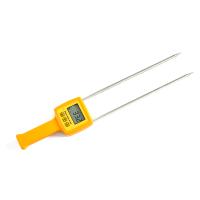
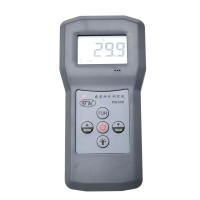
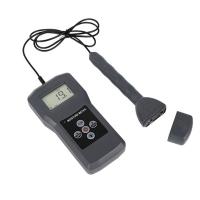
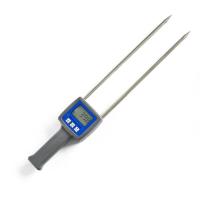
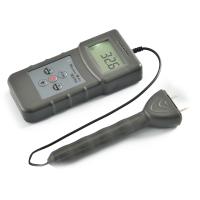
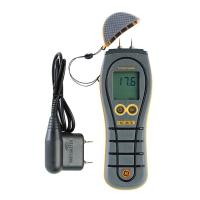
While this responsibility is important, luckily these professionals have a hygrometer at their disposal to optimize restoration work and assist them with their projects. In this article we will focus on how these hygrometers ensure that sound structures are maintained and restored to their proper levels when used correctly.
leakage
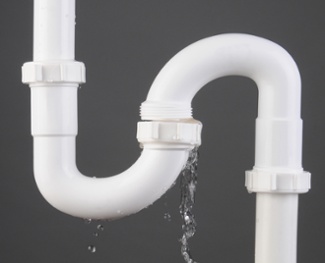 Of course, one common use of a hygrometer is for leaks. The benefit of having a meter allows the user to have a more accurate second opinion than a naked eye test.
Often, the origin of a leak can be several feet away from where residents notice it. Patching leaks and possible traces inside pipes is also important to keep critters out of the property.
plasterboard
Drywall provides homebuilders and residents with convenient benefits such as aesthetics, energy efficiency, fire resistance and low maintenance costs. The downside of the material is that it is very sensitive to moisture. To prevent mold and the safety of those in the residence, building inspectors use hygrometers to get accurate moisture readings on drywall.
A moisture content of 1% is enough to affect the structure, forcing professionals to actually use a hygrometer. In addition, there are hygrometers on the market that are specifically designed to meet certain materials. For example, a meter with a drywall scale is helpful in obtaining quantitative readings to ensure building inspectors are confident in their work. Not to mention, using these gauges saves a lot of time and can be applied to other areas of the home.
mold
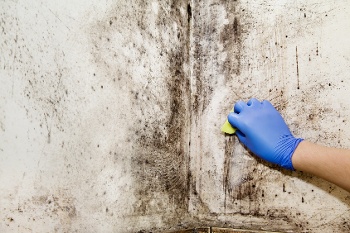 As anyone who has experienced mold in their home can attest, it can become a costly problem if not addressed quickly. Moisture meters work well when used early on to detect potential threats of mold growth.
Whether someone is renting out a new place or the building is temporarily unoccupied, professionals use a Moisture Meter to look for moisture that could become a bigger problem, like mold or leaks.
Using a pin gauge or pinless gauge, detecting moisture under tile, wood floors and carpets is important to maintaining the physical integrity of a solid, secure shape and cannot be overemphasized. Mold spores start in wood, which has a moisture content of 20 percent, higher than drywall. No matter what the material of the hotel is, there are hygrometers that can help the pros get an accurate reading.
pest
Moist conditions can serve as breeding grounds for some pests. To help homeowners or businesses reduce the risk of infection, the hygrometer can identify damp pockets that may pose a threat to the safety and comfort of employees or tenants.
Some common areas where these pests can breed include cracked pipes, faulty drainage, damp basements, poor insulation, poor quality wood and window seals. Pinless Moisture Meters allow home inspectors to scan areas extensively using radio frequencies, which are more likely to be used to identify moisture in those areas.