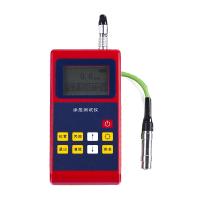
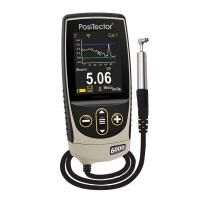
When you get a professionally applied powder coat finish, you'll see it has a beautiful, even film-like finish. This coating not only creates a protective barrier over the material, but is also a way to enhance its aesthetics. Unfortunately, when powder coating is too thick it can negatively affect the finish. Let's take a look at some important details of powder coatings.
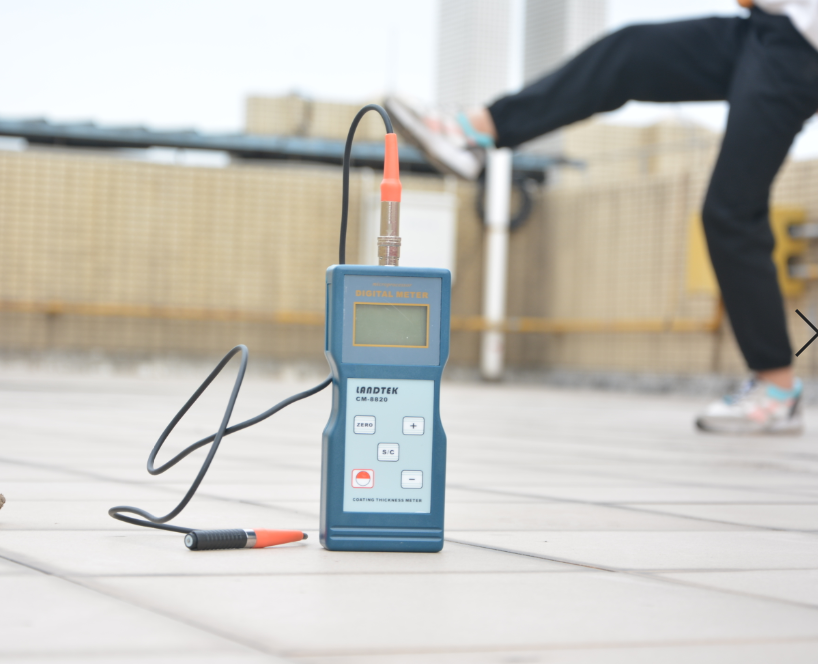
powder coating process
Not many people know that in the 1960s, the extremely popular powder coating process was introduced in North America as a dry coating process. Today, it holds 15% of the overall industrial coating market, as the process is used on a wide variety of products and materials.
Companies looking for a durable and high-quality finish specify this program over other coating processes. This is mainly because it improves efficiency, maximizes production, and simplifies compliance with environmental requirements.
With its functional and decorative qualities, customers can enjoy unlimited or nearly unlimited options in terms of texture and colour. Technological advances in the application of powder coatings have resulted in superior surface finishes as well as improved performance.
powder coating process
How exactly does powder application work? In the case of powder coatings, the powder can be in the form of a polymer resin, which is combined with pigments, leveling agents, curing agents, flow modifiers, and other additives.
The ingredients are then melt blended, then cooled and ground to a uniform powder appearance, like baking flour. The application process relies on electrostatic spray deposition (ESD) to ensure the coating adheres to the metal substrate. The Spray Gun is used to obtain the electrostatic charge of the powder particles, causing them to be attracted to the grounded material.
First apply the powder coating to a small section of metal for adhesion testing. This is to ensure the powder adheres properly to the metal and produces the desired result. Once identified, the material can be fully coated and cured to apply additional heat.
The resulting molecular chains with high crosslink density are generally resistant to decomposition. Surface treatments are available on a variety of metals, including non-metallic substrates such as medium density fiberboard (MDF) and plastics.
Coating thickness standards are often observed to ensure that the coating is durable, beautiful and lasts a long time. Coating thickness generally depends on how the powder is applied to the material.
Typically, powders can be applied using electrostatic or corona guns. The Spray Gun creates a positive charge on the powder, causing it to adhere to negatively charged materials. There are different types of nozzles available for electrostatic coating. The shape of the material will determine the type of nozzle used. Preheating can be used as a pretreatment process to achieve an even finish and avoid potential problems that could result in an incomplete finish.
Powder coatings can also be applied with the help of a fluidized bed. Preheated material can be dipped into the fluidized powder until the coating melts and flows to cover the entire material. The process may require post-curing, depending on the temperature and quality of the material, including the type of powder used.
powder coating process
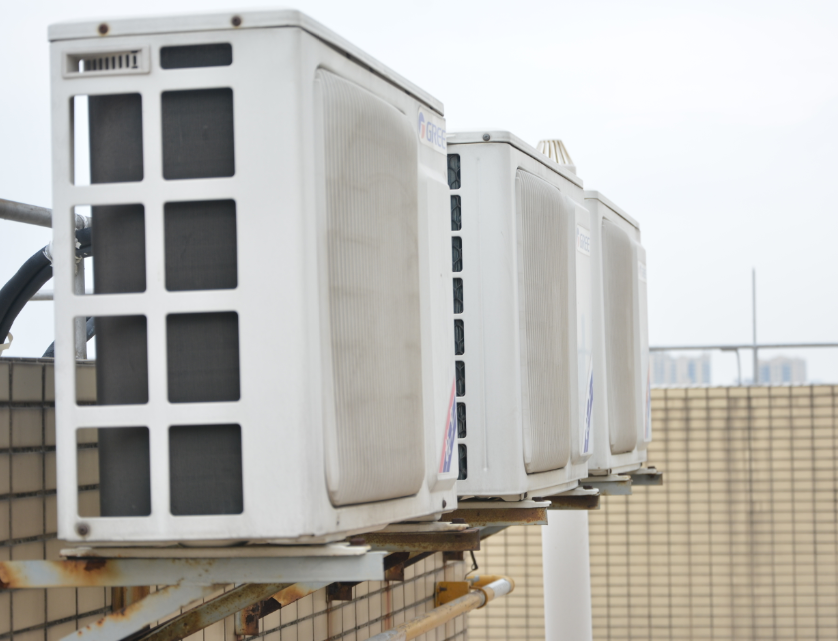
Generally, thinner coatings are considered weaker than dense coatings. It also prevents the formation of optimized high-quality surfaces due to the potential for surface defects and sharp edges. Excessive coating is also undesirable as it compromises uniformity and is considered a waste of material. Uneven curing can be expected when there is too much coating and can also be a sign of amateur work.
Professionals know how to use techniques and tools that allow them to assess coating thickness. Many of these are used before the material enters the curing stage. Coating suppliers also rely on information at hand, such as the type of material used to determine coating thickness.
When there is too much powder coating, it can cause quality control issues; something that is not welcome in a commercial setting. Excessive coating can also reduce the essential functionality of the protected material or cause problems during assembly.
There are non-destructive gauges used to measure the thickness before sending the material into the oven for curing. It provides the flexibility to pause or reverse the electrostatic process until the proper powder coat thickness specification is achieved. The resin manufacturer's guidelines can also be used as a basis.
Note that there are process variables that can affect the thickness of a powder coating procedure. These are not limited to the type of gun and the electrostatic power source used. The operating scale will also work with the powder gun and bath, which will affect the consistency of the coating. Meticulous technicians often rely on internal processes to identify thickness tolerances and control product quality.
Since powder coatings can be applied to thousands of potential products, an understanding of the properties of the material is required before completing the process. This will ensure that even the toughest machines produce the toughest high-quality surfaces.
Compared to liquid coatings, powder coatings offer better toughness while also being visually appealing. When it comes to resisting fading and rust, powder coatings are equally specialized in both and offer better protection against impact, moisture chipping, scratches, abrasion, chemicals, corrosion, UV rays and other issues that can cause the coating to wear away. Its environmental friendliness is an added bonus and many customers are sure to subscribe.
powder spray blasting
Here's another way to remove powder coating. It is considered safer and easier than chemical peels. Grit blasting is the process of removing powder coating quickly and efficiently without worrying about technical skills or any other concerns.
当在成品粉末涂层产品上发现错误时,没有其他解决方案,只能去除涂层并重新开始。爆破为您提供快速的出路,每平方英寸只需30秒,粉末涂层可以完全去除。这种效率归功于其独特的磨蚀性和可调节的功率。它尽可能简单; 所有你需要做的就是指向和射击,涂层将被剥离而不必采用复杂的程序。
你如何快速安全地去除粉末涂料?首先,您不必购买任何有毒化学品,因此它对环境非常友好,因此它补充了粉末涂层工艺。其次,在开始喷射材料之前,您只需要确保有适当的防护装备。这是你如何做到的:
首先戴上防护眼镜和耳塞。喷丸会产生很大的噪音,因此您需要保护眼睛和耳朵。
喷嘴应直接对准粉末涂层。来自喷嘴的材料是高压的,因此如果瞄准某人会造成一些损坏。
按下开关以激活喷嘴,粉末涂层将简单地从材料上撕下。
使用防锈剂和水冲洗材料表面。如有必要,重复该过程以确保整个表面完全清洁。
治愈
将粉末涂覆的材料送入烘箱后,开始固化过程。固化过程的特点是使用高温,该高温旨在使粉末熔化并流过材料,以获得良好均匀的光洁度。
一旦粉末达到称心温度,就实现了固化的薄膜涂层。然后在检查缺陷和一致性之前让它冷却。当热固性材料用于固化时,预测的固化经历另外的反应。涂有连续液膜的材料在烘箱内会经历连续的温度升高。
一旦固化反应开始,就会激活下面的热硬化剂。将固化温度保持适当的持续时间将导致粉末涂层的适当固化。对于抗冲击和坚韧的表面,同样可以达到预期的固化厚度。请注意,液体涂层和粉末涂层之间存在很大差异。
使用粉末烤箱时,材料应迅速达到很好的温度。这允许在任何固化反应可以使薄膜凝胶化之前更好地流出。对于液体烤箱,缓慢加热对于防止溶剂沸腾进入涂料是称心的。这种差异意味着粉末烤箱允许更短和更便宜地涂覆涂层。与其液体对应物相比,粉末烘箱同样需要更少的能量。
在进行粉末涂装时需要遵守评估过程。当粉末涂层暴露在热量下时,固化将在各个阶段进行。
预熔 - 在这个初始阶段,新涂的粉末仍然可以很容易地被刮掉。如果您需要,可以使用低温空气软管切割切片。面漆也可以在这个阶段施用,但通常不建议这样做。
Continuous Film - You begin to observe the smooth appearance of a tight orange peel. The film generally has a higher gloss than the cured powder. This product has the ability to reflow once exposed to high temperatures, but may shatter from any significant impact.
Gel - At this stage, the powder has formed into a continuous film form due to the reactions that have taken place. It can no longer be reflowed and any significant impact will result in severe cracking with moderate loss of adhesion.
Pre-Cure - This is the stage where the coating reaches its initial impact resistance. There will still be visible cracking and slight loss of adhesion. Higher gloss levels are achieved compared to cured films. The chemical resistance at this time is relatively poor.
Fully Cured - At this stage excellent film properties exist and chemical interactions are minimized. This means that complete intercoat adhesion is unlikely to occur.
Over-Therapy - When you get to this stage, you can observe that the film loses some of its flexibility. It may turn yellowish and may exhibit loss of gloss. As coating failure becomes more likely, intercoat adhesion will be compromised.
Throughout the process, you will have a means of assessing the proper thickness of the intended coating. This will ensure that the desired final cured thickness remains.