What is Coating Thickness Measurement?
As the name implies, coat thickness is a measure of the amount of paint applied to a surface. Since the paint changes from liquid to solid as it cures or dries, there is a large difference in thickness between when the paint is applied and when the paint is completely dry. Additionally, coating thickness can vary due to the type of surface the paint is applied to. Even with the same sprayer or brush, coating thickness can show large differences between wear-resistant surfaces such as glass and surfaces of absorbent materials such as wood. These same variables can also help determine which of the available measurements has a good chance of yielding accurate results.
This article will briefly describe some of the different methods for measuring the thickness of coatings on different surfaces and substrates.
Wet Film Thickness Gauge
A Wet Film Thickness Gauge is an inexpensive and easy-to-use tool for quickly measuring coating thickness. A wet Film Thickness Gauge (also commonly referred to as a "comb") can be placed in a wet paint or coating and will produce accurate thickness measurements in an instant. Wet Film Thickness Gauges can be used on most any surface and come in a variety of shapes and configurations. However, wet Film Thickness Gauges are only useful when the paint or coating has not yet dried or cured.
Inmont Film Gage - An Inmont Film Gage, also known as a chemical Thickness Gauge, is a good choice for thin film measurements. The Inmont Thin Film Strain Gauge is classified as a wet Film Thickness Gauge and can be used on moving surfaces, making it a versatile choice for fast and accurate measurements. The gage is a combination roller and handle, and is rolled over the wet film surface to obtain thickness measurements.
Magnetic Pull Film Thickness Gauge
Magnetic pull gauges use a magnet and a scale to measure the thickness of non-magnetic films on metal and steel surfaces. The magnetic pull gauge rests against a surface and then pulls away. Use the measurement of the amount of force required to remove the gage from the metal surface to determine the thickness of the paint or coating; thicker paint or coatings will require less force to remove the gage. Like the wet Film Thickness Gauge, the magnetic pull Film Thickness Gauge is a lightweight, inexpensive measurement tool that can be used repeatedly.
Electromagnetic measurement
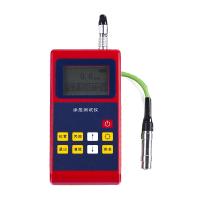
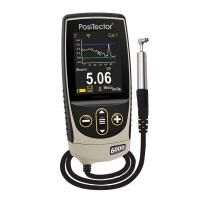
More expensive but more accurate methods of measuring film thickness can be achieved by using any number of electromagnetic devices. These devices typically use a constant magnetic field to measure the density of coatings on steel surfaces. As the device's probe approaches the painted surface, the device measures the change in magnetic density until a quantitative and precise measurement of film thickness is determined. Despite the higher cost, electromagnetic measuring devices are an excellent choice because they are reliable as they are largely immune to human error or variance due to different operators. Additionally, many electromagnetic measurement devices include techniques to measure different surfaces, thus making them both versatile and precise.
weight measurement
Gravimetry uses geometry and physics to determine the thickness of a coating. In a literal sense, gravimetry refers to the measurement of the specific gravity of a substance. Weight measurements quantify the weight of the paint before application, the weight of the paint after application, the density of the paint and the total area painted, and use formulas to determine the actual thickness of the paint. Weight measurements can be used in a variety of situations, but unpainted items need to be weighed before starting any work.
Ultrasonic measurement
Coatings can be measured using ultrasonic equipment which, while not as precise as electromagnetic methods, gives more accurate measurements than wet Film Thickness Gauges and magnetic extensometers. Ultrasonic measurements occur when a pulse is sent from the probe through the coating until it is reflected back by the substrate beneath the coating. Once this echo is received, it is digitized, analyzed and measured to determine the thickness of the coating. This ultrasonic method is particularly useful for non-metallic or non-magnetic painted surfaces where a non-destructive method of thickness measurement is required.
destructive testing
There are also many measurement methods available, including destruction of the product. While accurate thickness measurements are sometimes required, destructive testing is usually only a last resort when one of the many other measurement methods is insufficient. An example of destructive testing is cutting a cross-section of the item under test and quantifying the thickness using microscope testing. In addition to damage to the item, this type of testing method may not be as reliable as other methods due to the many opportunities for human error when handling samples.
Knowing the different available methods of coating thickness measurement and deciding which method to use can be the difference between a job done and an unhappy client. The importance of proper measurement to ensure product quality and control costs cannot be overemphasized. By using one of the methods above to measure and monitor the thickness of the coating, you can confirm that the correct amount of paint has been applied to the substrate.