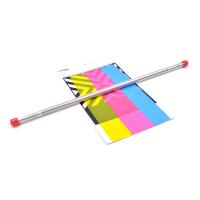
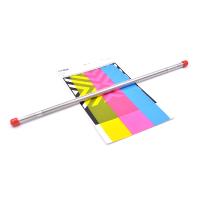
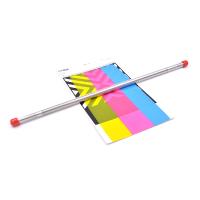
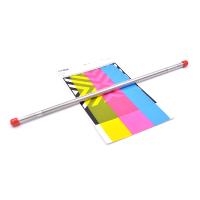
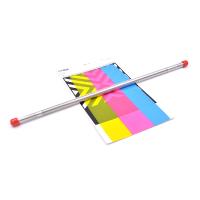
A century of evolution has gone into the wire wound coated rod. Still known as Mayer rods, after Charles W. Mayer (rhymes with wire), they continue to be popular 100 years later because they are cheap, accurate and easy to use. Mayer named them "equalizers". They're also known as metering sticks, coating sticks, applicator sticks, or even "Myrods."
Mayer filed for his first patent when he was 32 years old. He developed the first successful coater to apply liquid or powdered material to a moving web. He founded the Mayer Coating Machine Co. in Rochester, New York, in 1905.
His machine was an instant success. Mayer is particularly proud of his equalizer bars, a key element of his coating system. These bars allow accurate and uniform coating to be applied across the entire web width. In one patent, he wrote, "In my opinion... a wire wound equalizer is a very valuable and important feature of this invention....."
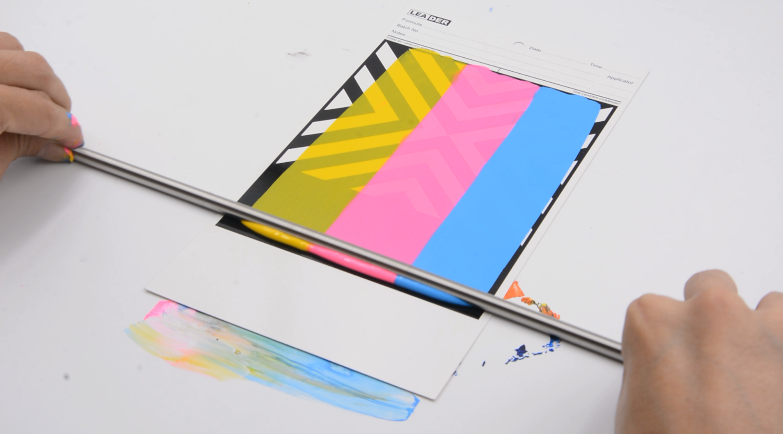
The first metering rod is made of raw materials. In an era when most metalworking was done in smithies, rods were made from carbon steel rods wound with steel wire. The wire is sometimes wound unevenly around the mandrel and can break during use.
Early sticks were inconsistent and unpredictable. Some have gaps between the wires and they can rust. Despite these problems, rod coating was an improvement over the brushes and rollers in use at the time, and the basic theory behind wire wound rods was sound. Users found that chrome plating controlled rust and also provided a hard casing on the wire that would wear out longer than piano wire used at the time.
This level of professional coating is a breakthrough. For the first time wax paper and carbon paper manufacturers can mass-produce. The coating thickness can be changed by switching the lever. Converters started ordering rods of different wire diameters. Mayer found a growing market for replacement rods, which became more profitable as more coaters were shipped.
Mayer's success in the coater industry created competition. Other processes were introduced, which cut into his machine business. However, every Mayer machine requires a new one as the old ones wear out and many competing machines use these winding rods. The bar market continued to expand as orders for his machines fell.

During the 1970s, the industry became more diverse in coatings and web materials. Meter rod manufacturers standardized on precision stainless steel mandrels and wire, with closer tolerances and smoother finishes, and fabricated them on high-speed winding machines.
Meyer rods become precision tools. Coating thickness can be controlled to within one tenth of a millimeter (0.0001 inch). Spring steel wire provides longer tie rod life. Coaters can choose rods to suit various coat weights. Double-wound and triple-wound Mayer rods produce heavy-duty coatings in one go. Rods coated with Teflon, Hard Nickel and Titanium Nitride extend rod life and eliminate quality issues. Heated rods allow hot melt adhesives to be applied at production speeds.
In the 1980s and 1990s, manual and motor-tracted descenders were introduced for laboratories. They use wire-wound rods, enabling scientists and technicians to produce accurate coating samples for evaluation and research. With modernization trends shortening production runs and customer demands for higher quality levels, Mayer rods continue to be popular. Bottom-line economics encourage converters to consider rods as an alternative to other coating methods. Some people add pole stations to existing machines to take advantage of the flexibility, ease of use and cost savings of Mayer poles.
It's been 100 years since the first rod was made. They continue to meet the growing demands of the converting industry in the 21st century.