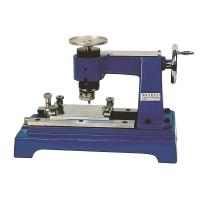
Loss of paint adhesion (tested with a cross-hatch) may occur on interior or exterior surfaces.

Paint will have difficulty adhering to the substrate (new or previously painted, interior or exterior) if any surface contaminants such as dirt, dust, oil, grease, mold, mildew, algae, salt or other loose or powdery matter superior. exist on the surface. Even high-quality, high-performance products do not adhere adequately to contaminated surfaces.
It is entirely unreasonable to expect that the entire coating system will remain firmly adhered if the substrate itself is unstable, the underlying layer, powder or any previous coat of paint has deteriorated to the point that they have become unsound or show failure, Apply a fresh coat of paint over the top.
Painted exterior surfaces need to withstand constant climatic and environmental influences. Changes in air and surface temperature, humidity and humidity, movement and degradation of the substrate, oxidation and erosion from exposure to UV radiation, chemical attack, degradation caused by mold and algae growth, and other external stresses often determine how long a paint film will last time.
Since paint coatings are primarily used to protect the substrate from all these external influences, it is unreasonable to expect that paint coatings will last forever.
While every paint coating system has a finite lifespan, long-term performance can be maximized by implementing a regular care and maintenance program.
A paint coating is incompatible with a substrate when the paint coating can lose its bond to the substrate without external influences interfering with its adhesion. For example, premature loss of adhesion is experienced when oil-based alkyd resin coatings are applied to masonry substrates due to the expected reaction between the oil in the paint and the alkalinity in the substrate.
This incompatibility is not a failure of the paint itself, but a failure of consciousness. Therefore, careful observation and adherence to the coating manufacturer's recommendations regarding product suitability for a particular substrate requires careful observation.
It is also important to realize that adhesion failures are often associated with poor quality paint. This is due to the low quality and/or quantity of binders (resins) used in cheap paints to keep their cost down. The "high cost of cheap paint" should be carefully considered.
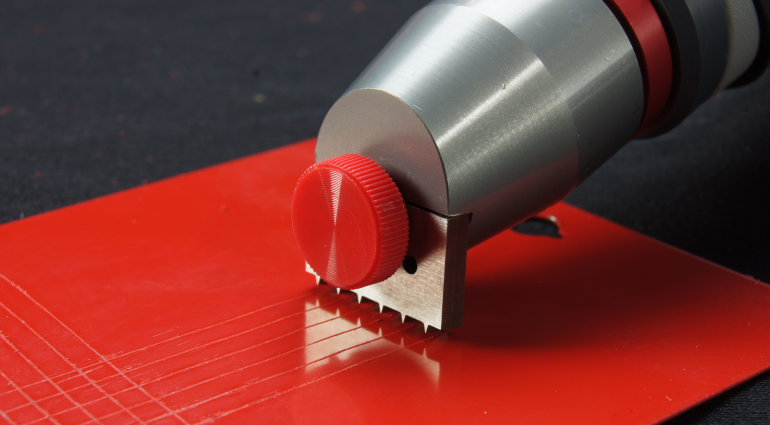
How to cause poor paint adhesion?
Coating failure can be expected when the adhesion or cohesion of layers within the coating system or in the substrate itself is overcome by one or more external forces. Some forces (eg, moisture intrusion) act faster than others.
If the coating+substrate system includes any of the following unsuitable conditions, the force strength required to produce failure will be reduced:
• Poor or choppy substrates such as weathered wood, weak or downset masonry or plaster.
• Lack of substrate preparation, eg leaving contamination or loose material on the surface, excessive gloss, excessively smooth surface.
• Missing pre-coat (primer, sealer or base coat), poor quality or incorrect model.
• Lack of maintenance of existing coatings such as degradation allowing access to loss of film integrity and exposure of the substrate.
• Lack of preparation of existing painted surfaces prior to repainting, eg. Leaving dirt, mold, salt or other contaminants on surfaces, painting over chalky or deteriorated (unsound) paint, painting over excessively high gloss surfaces without sanding to desand and prepare for subsequent bonding Supplied with mechanical key.
All or any of these undesirable conditions can impair the ability of a paint coating to withstand the external forces to which it is subjected on a daily basis.