The structure should be completely free of blistered, cracked, flaking or peeling paint films.
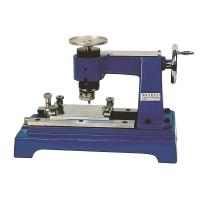
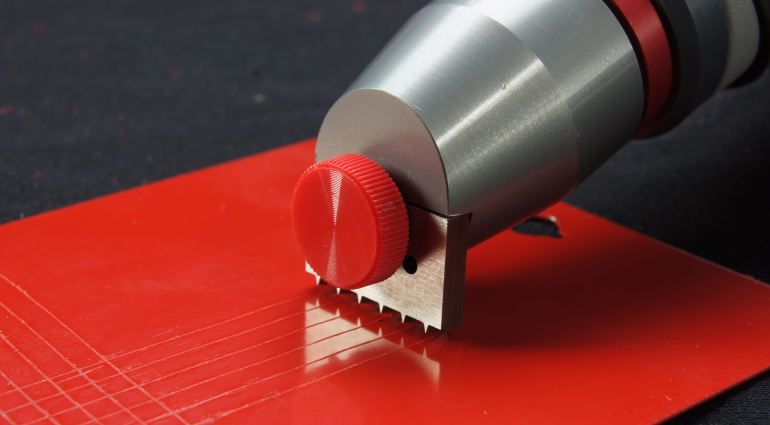
A condition of isolation may in fact be a true indicator of a wider adhesion problem, so a systematic adhesion check (per AS/NZS1580.408 Parts 2, 4 or 5) should be carried out on the entire paint film to determine the overall integrity of all coatings All layers of the coating system.
In areas where poor adhesion is observed, partial or even complete removal of the existing coating will be required in order to provide maximum life to the new coating system.
Whether failure is due to external forces or other factors, the integrity of the paint film has been compromised; therefore, rectification will always include the complete removal of all "unsound" or potentially unsound material.
Bare or previously painted surfaces need to be sound, clean, dry, chemically stable, and free of any seepage, weathering, or biological growth such as mold, mildew, or algae.
Smooth surfaces should be "smoothed" by light sanding to provide a good mechanical bond for subsequent adhesion of the next coat of paint.
Complete recoating using a paint system suitable for each substrate should be done without delay and always before any further deterioration or surface contamination occurs.
How to prevent it?
Darker shades of color traditionally break down faster than lighter colors in the same environment and have a shorter life expectancy with first maintenance. Therefore, the choice of color can play a very important role in the time it takes for a paint coating system to deteriorate.
Over time, as the painted surface ages, it will become less flexible and unable to withstand the stress and constant movement (expansion and contraction) in the substrate. Destructive results are loss of adhesion through cracking, cracking, flaking, flaking or blistering of the paint system.
Applying a darker color to a previously painted exterior surface can create more heat in the substrate, which in turn causes any moisture present to force it out in any way. Typically, moisture travels to the surface through capillary breaks in the old weathered paint film, but cannot escape quickly through the new film. The unfortunate result is that the paint film bubbles back to the bare substrate, requiring complete removal of all coats of paint.
More heat also means more expansion and contraction of the substrate and therefore greater stress on the paint coating system.