Continuous monitoring of the atmosphere in confined spaces has long been considered good practice, but difficult and often impractical to implement. In this Ask John, we answer questions about how the flexibility of wireless Gas Detectors can change the way we test the atmosphere in confined spaces.

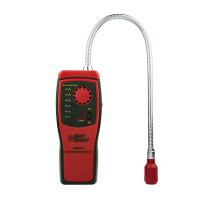
Previously, an attendant assigned to the entrance of a confined space monitored the atmosphere within the space with a portable Gas Detector, or sampling pump, and a length of tubing, or probe. A confined space Gas Detector kit is an example of such a device.
But it's more challenging to continuously monitor the atmosphere throughout space where work is being done.
Wireless Gas Detectors Change That
Wireless mesh technology embedded in Gas Detectors in systems such as Industrial Scientific's LENS wireless communication system enables them to communicate with each other wirelessly on a peer-to-peer level.
An operator carrying a LENS Gas Detector in a confined space shares readings with the Detector of an attendant who resides outside the space. This allows outside service personnel to view readings and monitor the atmosphere through each competitor's wireless Gas Detector.
The repeatability of the wireless Gas Detectors in the mesh network allows crews to reach deep into confined spaces away from the entrance, where they can never see them directly, and also relays atmospheric readings back to service personnel at the entrance.
Extended role
Wireless Gas Detector technology is expanding the role of companions for confined space entry.
An attendant is usually assigned to monitor the entrance to each confined space. However, wireless technology allows a single attendant to monitor the activity of multiple confined space entries from a central vantage point.
Wireless cameras allow attendants to view staff activity across multiple entries. And a mesh network of Gas Detectors allows one attendant to monitor the atmosphere in multiple confined spaces.
Good practice for confined space entry is outlined in the 'Quick Guide' document, "Confined Spaces: Planning for Entry and Working Safely in Confined Spaces", published by Worksafe New Zealand.
ePermitting
Confined space entry permits themselves will also soon be affected by wireless technology. Electronic licensing or e-licensing systems are being developed to automate the permit issuance process. Here's how it works...
Access the spreadsheet on the smart device at the entrance and complete all appropriate program checklists.
Gas readings from atmospheric testing using wireless Gas Detectors are automatically transferred to permits, which are electronically signed by all entry personnel.
The wireless system used to distribute Gas Detectors and other traceable tools and equipment to contestants also allows contestants' names to be automatically recorded on permits.
The licenses are then uploaded to a database where they can be permanently stored and viewed during import.
Permits are automatically renewed based on continuously monitored or periodically tested gas readings and changes in work progress or entry conditions.
ePermitting is just another example of how wireless Gas Detector technology can improve efficiency and reduce the cost of entering confined spaces.
final thoughts
While it may seem like only yesterday, it has been 25 years since we were asked to complete our first confined space entry permit.
If we continue to embrace wireless Gas Detector technology and the benefits it brings us, it seems likely that the entrances to those cramped spaces will not be restricted tomorrow either.