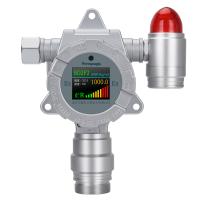
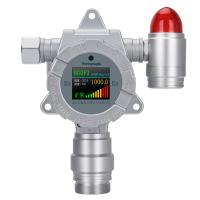
The purpose of installing a point-of-care gas detection system is to detect the presence of harmful or potentially harmful gases in the environment before they reach dangerous levels - through toxicity or flammability.
Therefore, logic dictates that the sensors of a gas detection system should be strategically placed around any potential source of gas leaks. The closer to the source, the earlier the detection!
However, there is no one general answer here. Different gases have different weights and therefore behave differently in the environment.
heavier than air
Gases heavier than air tend to accumulate at lower altitudes, close to the ground. In order to detect these gases heavier than air, the sensor of the fixed-point gas detection system should be 300mm to 500mm from the ground.
Examples of gases heavier than air include...
carbon dioxide
chlorine
hydrogen chloride
nitrogen dioxide
Propane/Butane (LPG)
lighter than air
Gases that are lighter than air accumulate at higher levels, closer to ceiling height. To detect these lighter-than-air gases, the sensors of a fixed-point gas detection system should be mounted high above the ground.
Examples of gases that are lighter than air include...
Acetylene
ammonia
carbon monoxide
hydrogen
methane
natural gas
You should also consider the location of people in the work environment and how they can evacuate the area if required.
In short, sensor placement in a point gas detection system is a complex endeavor and specific expertise should be sought on a case-by-case basis.