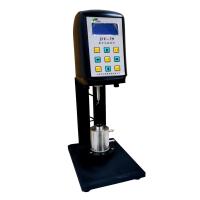
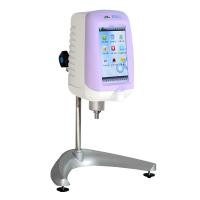
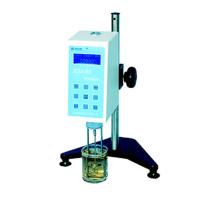
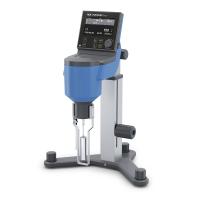
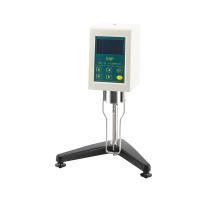
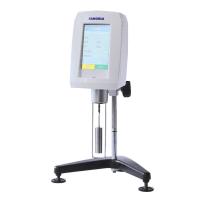
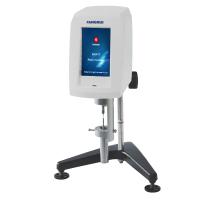
 Viscometers are required when managing fluid viscosity in industrial processes. If viscosity is not managed, you may experience any issues with the product including inconsistent color and various finish and/or texture defects, excessive ink or solvent usage. Fortunately, these problems can be prevented by simply monitoring and controlling viscosity. But in order to track your viscosity, you need the right viscometer for your specific application - that's what to look for in a viscometer when buying.
Below are a few factors to consider when purchasing a viscometer.
application
When purchasing a viscometer, the first thing you should consider is your application. What type of liquid are you using? Make sure the device you're considering can handle it.
set up
How often do you use a viscometer? Consider how easy it is to set up and use. How long does it take to measure?
automation
Whether you should purchase a manual or automatic viscometer depends entirely on your unique needs. If you only need occasional simple viscosity measurements, a manual viscometer may be fine. However, if you are managing a large-scale industrial process that requires frequent viscosity measurements, you may want to use an automated viscometer.
durability
If you're dealing with demanding processes, you need a viscometer that combines rugged construction with long-lasting sensors. Call the manufacturer and ask how long the viscometer will last for your application.
accuracy
How sensitive is the viscometer you are considering to the measurement? How sensitive do you need to be? For example, orifice viscometers (such as Zahn cups) are not very sensitive and do not give incredibly accurate readings - in fact, readings can vary from operator to operator depending on their training and other factors. Vibration (including resonant frequency) viscometers are more accurate.
Price
Viscometer types, features included and prices vary from manufacturer to manufacturer. How much are you willing to spend? If you want one with all the bells and whistles, you can easily spend up to $30,000 or more. A decent mid-range viscometer usually costs between $2,000 and $3,000, depending on the type. At the lower end of the spectrum, manual glass capillary viscometers or Zahn cups can be purchased for less than $100.
Warranty
Check the warranty period for any viscometer you are considering - how long does it cover? One to two years is standard.
maintainance
Properly manufactured, a viscometer should last about 10 to 15 years. However, during this time, you may need to perform maintenance and servicing to ensure your viscometer continues to perform as expected. For example, capillary viscometers require cleaning between uses. Ask the manufacturer of the viscometer how much maintenance you are considering.