If you are in the paint, coating or printing industry, you need to monitor viscosity. If you don't monitor it, you'll end up with a host of preventable problems - problems that can seriously affect the quality of your production.
As the saying goes, "An ounce of prevention is worth a pound of cure."

What is a Viscometer?
As a reminder, viscosity is basically a fluid's resistance to flow. High viscosity (or "thick") fluids flow much slower than low viscosity (or "thin" fluids) - an example of this is the flow rate compared to water when they are both at room temperature.
When a fluid is used in a manufacturing process, knowing its viscosity is important for many different reasons, not least quality control. As mentioned above, poor viscosity control can cause many different problems.
This is where viscometers come into the picture.
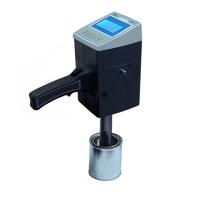
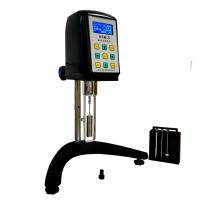
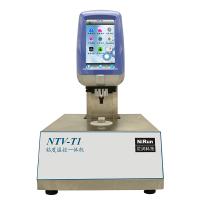
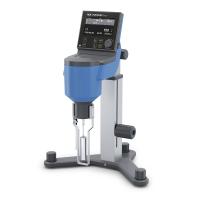
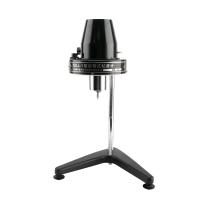
A viscometer represents a family of devices that serve one purpose: to measure the viscosity of whatever liquid you're working with. How they accomplish this varies between types
You may be familiar with the Zahn cup, which was invented by General Electric in 1936. The Zahn cup is an outflow (flow) cup viscometer.
Saint Clair Systems offers automated viscosity sensors based on Norcross viscometers, a resonant frequency type.
Other types include:
Orifice Viscometer
Capillary (U-tube) Viscometer
Falling Piston Viscometer
Rotational Viscometer
Falling Ball Viscometer
Vibration Viscometer
The Efflux (flow) cup viscometer is popular among painters and printers due to its relatively low cost, simplicity of use and low maintenance requirements. However, there are many hidden costs associated with using an outflow (flow) cup viscometer. We'll discuss other types in more detail in a later blog.
Why are viscometers useful?
Viscometers help you ensure that the viscosity of your fluid remains within desired tolerances, and in doing so, they help ensure consistent results.
As mentioned earlier, you can have a lot of viscosity problems if you don't monitor it. Thinner or thicker viscosities can affect how your equipment handles the liquid you're using, so when it's inconsistent, you may experience the following issues:
Color changes and color inconsistencies
Various quality defects
Material (i.e. ink or paint) wastage
Too much solvent
Unnecessary in-progress or rework labor
There is no doubt that your customers will not be happy with products affected by these issues. This is why monitoring process viscosity is very important.
monitor your viscosity
Once you start regularly monitoring the viscosity of your liquids with a viscometer, you may find that you are not staying within proper tolerances. If this is the case, try the following steps:
Check the calibration of the viscometer. Some viscometers require occasional calibration.
Check the mixture of liquids. is it consistent? Has anything changed recently?
Check your equipment. Cleaning or other maintenance may be required.