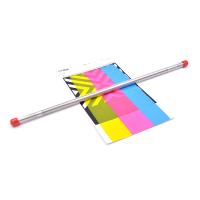
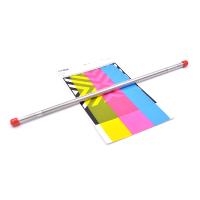
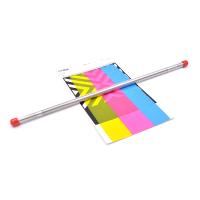
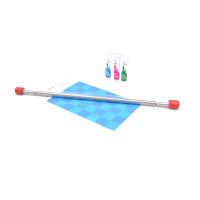
In the Mayer rod coating process, excess coating is preserved on the substrate due to the omission of the shower roll. Wire wound metering rods, sometimes called Meyer rods, allow coveted coating volumes to be left on the substrate. This amount is controlled by the wire used on the measuring rod. The process is surprisingly tolerant of imprecise build-up of alternate parts of the coater.
It utilizes container nutrient kissing rolls to exchange the rich measure of the coating onto the web to smooth or meter the coating using either a smooth metering rod or a wound bead (wire wound rod). Coat weight variations are produced by fluctuating coil strain on smooth rods or by using wire wound rods with shifted wire gauges, with larger wire gauges giving higher coat weights. Cover weight can also be controlled by moving the wrap point on the applicator roller and metering rod.
These coaters The rod coater is primarily used as a pre-coat or backside wet coater as the way it operates allows it to provide the board manufacturer with a very smooth base to which optional or top coats can be applied. layer.
Stand out among outstanding coating systems. A Mayer rod is a stainless steel rod wound with stainless steel wire widths. The rod is used as a scraper for excess coating solution and to control coat weight. The wet thickness after scraping is controlled by the distance of the wire used to wind the roll and is almost 0.1 times the wire measurement. Rods are available in a mix of various wire sizes to provide a range of coat weights. The table below gives the accessible wire sizes and achievable wet thicknesses. Dry thickness depends on the solids concentration of the coating solution.