Viscosity is a liquid's resistance to flow, measured over time and temperature, and it cannot be overstated in its importance to how a coating will perform on a press.
If the viscosity of the coating is too thick, the pumping system will not be able to pump the liquid from the barrel, causing the system to shut down. This will result in no coating being transferred to the sheet.
If the coating is too thin, it will leak from the coating chamber. Since the printing press runs at extremely high speeds, the thinner liquid is splashed all over the press.
Some of the performance issues that result from not measuring coating viscosity include invisible coating, uneven coating, and too little coating due to too much coating.
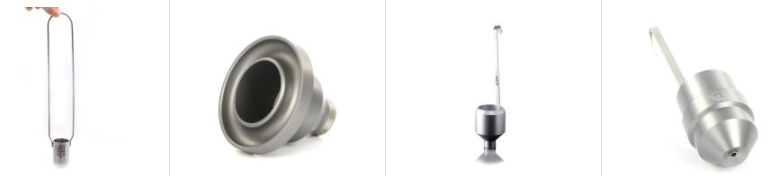
A brief overview of paint viscosity:
cup
Two different cups are used to measure paint viscosity depending on your location. Zahn 3 cups are mostly used in the US and Din 4 cups are used in other parts of the world.
time and temperature
If you are using Din 4 cups, the viscosity should be between 35-45 sec. If you use Zahn 3 cups, the viscosity is usually between 18-20 sec.
NOTE: In some cases, it may be misleading to state that the Din 4 cup speed should always be between 34-45 seconds. An example of this is in Asia where our Saphira coating is measured using a Din 4 cup to meet a viscosity of 60 seconds.
We have two different viscosity values because we have a double roll system and a chamber doctor system. For a two-roll system, we choose a 35 second viscosity. For the Chamber Doctor Blade System we choose a 45 second viscosity.
When using a Din 4 cup, the standard measurement is 77°F. When using Zahn 3 cups, the standard measurement temperature is 20°C.
NOTE: Neither temperature translates to the same thing. 77°F equals 25°C, and 20°C equals 68°F. When the coating is measured with two cups at the same temperature, the Zahn cup will be about half the size of the Din cup.
Temperature can play a large role in viscosity levels. When the environment is warm, the viscosity will decrease. When the environment is cooler, the viscosity will be higher.
other factors to consider
Another important factor in viscosity results is whether the drum has been turned on and circulated. If the coating is circulated through a pump system, viscosity readings may be inaccurate due to microbubble formation. Coating with microbubbles may result in extremely high viscosity readings, which may be interpreted as false readings. Therefore, all viscosity readings should be done prior to application of the coating.
Tools used to measure viscosity:
Din 4 cups (Europe) or Zahn 3 cups (US)
stopwatch
Stirring device
Small agitator can be used for small tumblers
paddles can be used for bass drums
Mechanical agitation unit available for very large drums
route:
Remember: all readings should be taken before the coating is applied, and at the correct press room temperature before the mug is used.
Step 1: Gently agitate the coating for 10 minutes.
Step 2: Fully submerge the mug in the coating.
Step 3: Get the stopwatch ready to start. After removing the cup from the coating, start the stopwatch.
Step 4: Immediately stop the stopwatch the first time the stream is interrupted. The time it ends is the viscosity value.
It is very important to check the viscosity level as unusual levels may cause application problems. As long as your viscosity is between 18 and 50 seconds, the application should be fine.

