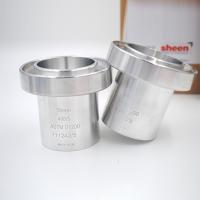
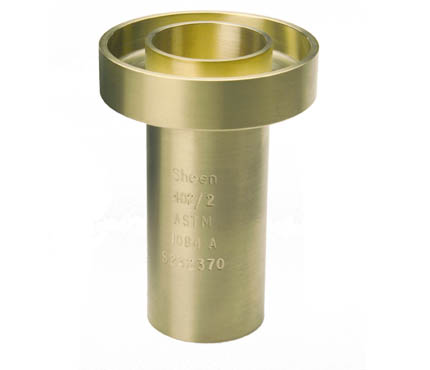
When spraying, the material being sprayed should not be too viscous for the Spray Gun or spray system you are using. This coating quality is called viscosity. Matching viscosity to the correct nozzle orifice size is key to obtaining a good atomized surface. If it's too thick, the surface won't atomize well and it may not even come out of the gun. A poorly atomized coating will create a rough finish and look poor. You will have to move too slowly or too close to cover. When a material is properly misted, it looks like fin mist and leaves tiny tiny droplets on the surface. These tiny water droplets flow together and, like magic, create a smooth, horizontal film. When you spray material at the same viscosity, your results will be more consistent. Also keep in mind that as the weather gets warmer, the material will get thinner. Too thin and you'll get runs and sag. You usually like to spray between 15c and 30c.

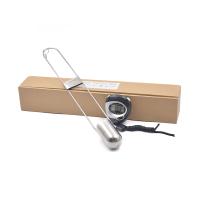
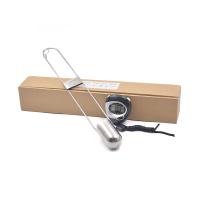
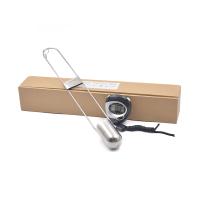
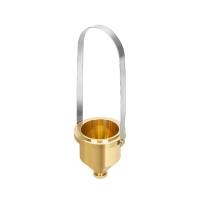
Hang the Ford #4 viscometer cup. Let the paint stabilize at room temperature, or spray at whatever temperature you want to measure viscosity. Remember that temperature changes the viscosity of the material. Measure the recorded temperature. Place a small container under the Ford 4 cup. Run your finger under the orifice to keep the paint from running out of the cup. Fill the glass all the way to the top until a small amount overflows. Start the stopwatch and take your finger off immediately. Let the paint flow into the container below. Once the stream of paint stops flowing, stop the stopwatch. Record the time it takes for the paint to leave the cup. The shorter the drain time, the thinner the paint.