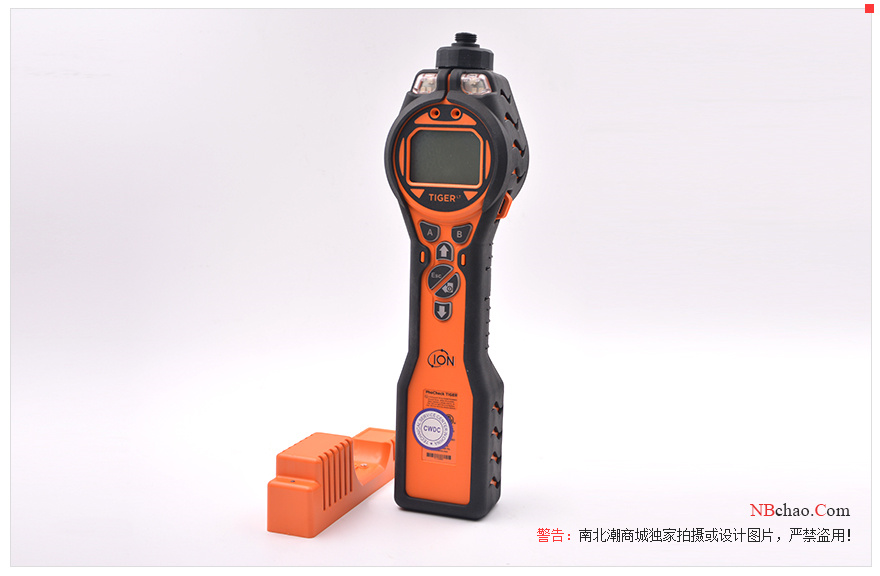
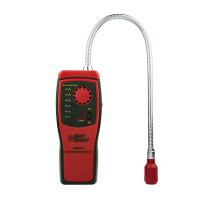
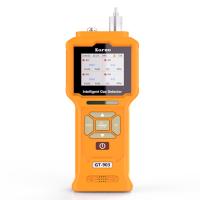
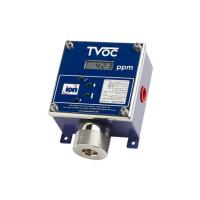
Volatile organic compounds (VOCs) include a variety of natural and synthetic substances. Volatile organic compounds are chemical compounds - mixtures of elements - one of which is carbon. They are described as volatile because they evaporate easily, releasing the molecules into the atmosphere. VOCs can be detected by a dedicated VOC Detector using photoionization detection (PID) technology.
Volatile Organic Compounds are present in everyday life and can be harmless, but some are not and can be harmful to health and wellness
What are VOCs? his environment. Solvents used in paints and adhesives, as well as cleaning products, are often VOCs. The distinctive smell of some new plastics is the result of "outgassing," or the release of volatile organic compounds into the atmosphere. Fuels including diesel, gasoline, petrol, fuel oil and aviation fuel are VOCs.
These and other potentially hazardous VOCs, including benzene, toluene, ethylene, xylene, and formaldehyde, require careful monitoring. Legal limits for VOC emissions and exposure vary by location and are set by agencies such as the European Union and the U.S. Occupational Safety and Health Administration OSHA. A common definition of a VOC, adopted by the European Union, the World Health Organization, the World Health Organization, and others including Health Canada, is a compound of carbon with a boiling point below 25°C.
Hazardous VOCs are produced and released into the environment by many human activities, including transportation, manufacturing, printing and agriculture. They are also produced naturally by plants, but these VOCs are generally harmless.
VOCs play an inescapable role in many industrial processes and products. Factories and other places where VOCs are routinely present will monitor their environment and surroundings with fixed VOC Detectors. These instruments are permanently installed and continuously measure VOCs in the air they sample.
Handheld VOC Detectors are lightweight, portable instruments that can be used in conjunction with fixed VOC Detectors to provide point measurements. Small, lightweight VOC Detectors can be attached to clothing as part of the personal protective equipment issued to workers.
Handheld VOC Detectors such as the Tiger VOC are used to locate and measure VOCs anywhere they may exist, indoors or outdoors. This could be due to leaks, mechanical failure, or other unexpected events. Handheld VOC Detectors can be used for inspection of confined spaces such as inside pipes and sewers, industrial safety and hygiene, and decontamination monitoring.
The hazards posed by VOCs fall into many categories. The most volatile substances, sometimes called very volatile organic compounds or VVOCs, can present a fire or explosion hazard. Some VOCs, including methylene chloride (found in paint strippers and aerosol paints), benzene and perchlorethylene (dry cleaning fluids) are harmful to human and animal health or may cause cancer (carcinogenic).
Other VOCs can be serious pollutants, either directly polluting the environment or reacting with sunlight and other gases in the atmosphere (known as photoreactivity) to produce photochemical smog.
When considering VOCs, a distinction can be made between their impact on the outdoor environment and indoor air quality. Indoor concentrations are often much higher than outdoor concentrations, and VOCs from sources such as air conditioners and office equipment malfunctions have been linked to "sick building syndrome."
In some places, notably California (and before that in the US), VOCs are known as ROGs, or Reactive Organic Gases. This focuses attention on the more important reactive gases, but this distinction creates some confusion, and VOCs are often the preferred choice. In French, VOC is called COV.
Some common gases such as carbon dioxide CO2, carbon monoxide CO and carbonic acid are not included in the classification of VOCs because they are not particularly reactive or volatile.