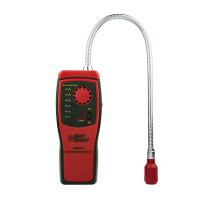
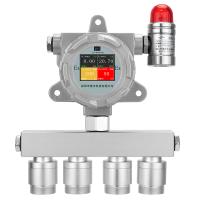
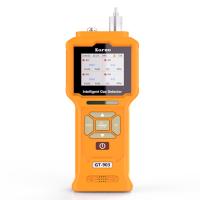
The application for PID includes:-
Fixed systems for areas or enclosures to monitor fugitive emissions
Portable instruments for space entry inspection or leak detection and repair
Personal Tool to Remind Workers of Attention Over Regulatory OEL
fixed system
Is benzene specific, i.e. does not require a calibration correction factor
Real-time or near real-time continuous monitoring with industry standard 4-20mA and/or MODBUS output
No operator intervention required during normal use

portable
With specific benzene mode and pre-filter tube capability
Has a high resolution of 1 ppb in response to legislative trends, i.e. an OEL of 0.1ppm and in some cases lower
Boasting a long life, the ability to run two 12-hour shifts maximizes data capture to minimize system downtime.

personal
Small and light weight to not burden the wearer (personal PIDs need to "compete" for space with gas and radiation Detectors, portable radios and other monitoring instruments such as noise dosimeters and dust sampling heads/pumps
With high resolution, such as 10 ppb, for compliance purposes
Has a high range of 5000 ppm to accommodate high levels during plant turnaround
Being able to record 1 second of actual exposure for later download and analysis will highlight areas of concern and help determine where to fix the system.

Each solution is optimized for applications that provide specific features and benefits, but there are often design tradeoffs due to your specific monitoring requirements.